
Liquid level detection is an essential part of many industrial and commercial systems, including industrial automation equipment, water treatment systems, storage tanks, household appliances, machinery, and liquid control systems.
Accurately detecting whether a liquid has reached a specific level can help equipment perform functions such as low-level protection, high-level alarms, automatic refilling, overflow prevention, and pump start/stop control.
Traditional float level switches have been widely used for many years because of their simple structure and straightforward operating principle. However, as modern equipment becomes more compact, intelligent, reliable, and maintenance-friendly, electronic liquid level switches are increasingly being considered as an alternative to traditional float level switches.
So, what are the benefits of replacing a float level switch with an electronic liquid level switch? What are the key differences between these two liquid level detection technologies?
This article explains the differences in terms of operating principle, reliability, installation, maintenance, service life, and application environment.
1. How Does a Float Level Switch Work?
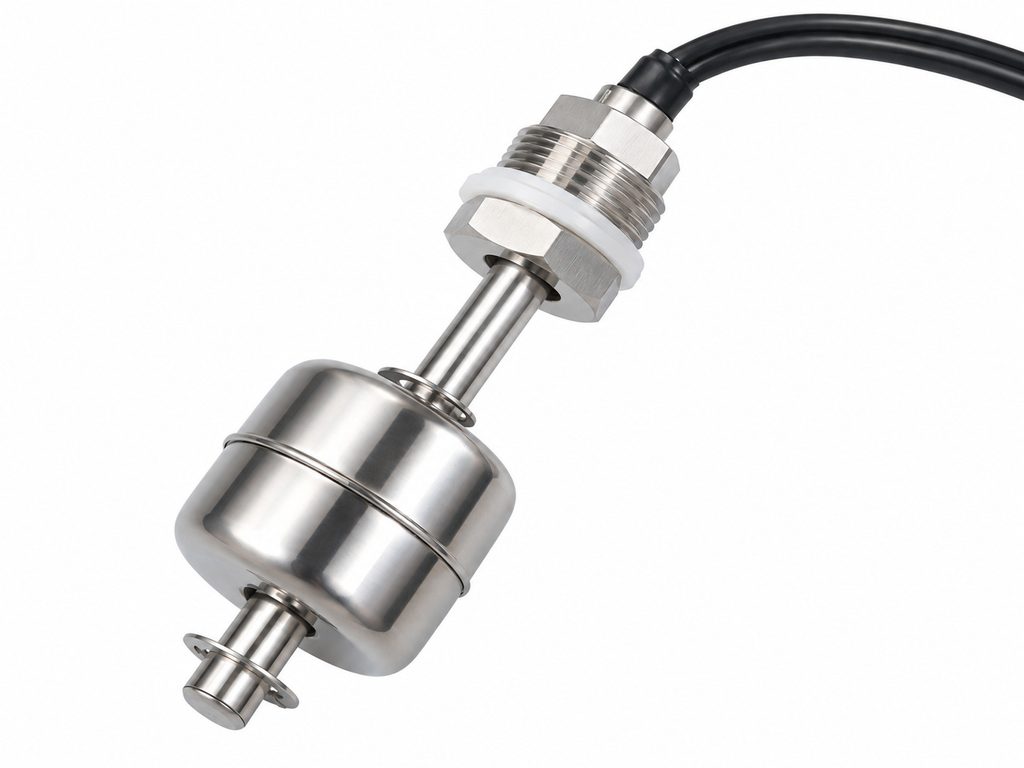
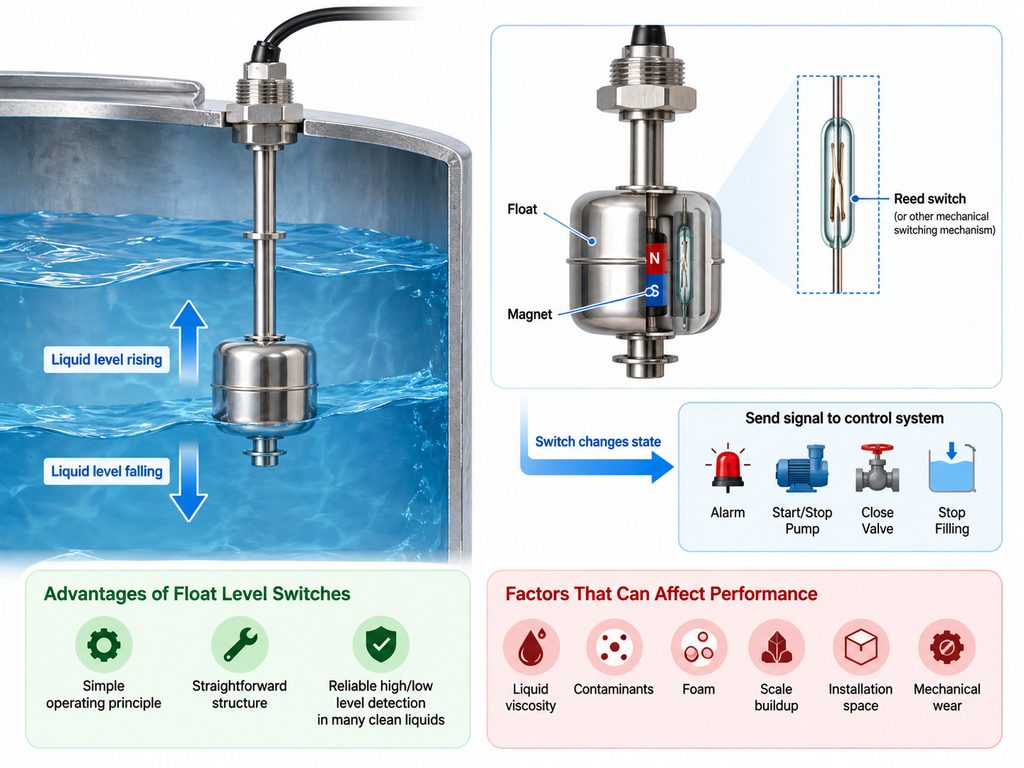
A float level switch is a mechanical liquid level detection device that operates based on buoyancy.
As the liquid level inside a tank rises or falls, the float moves together with the liquid surface. This movement activates an internal magnetic component, reed switch, or mechanical switching mechanism.
Once the switch changes state, a signal is sent to the control system. The system can then perform a corresponding action, such as activating an alarm, starting or stopping a pump, closing a valve, or stopping the filling process.
Float level switches have several advantages. Their operating principle is simple, their structure is relatively straightforward, and they can provide reliable high-level or low-level detection in many clean and uncomplicated liquid applications.
However, because their operation normally depends on the physical movement of a float, their performance can be affected by factors such as liquid viscosity, contaminants, foam, scale buildup, installation space, and mechanical wear.
These limitations are among the reasons why equipment manufacturers and engineers increasingly consider alternative liquid level detection technologies.
2. Why Replace a Float Level Switch with an Electronic Liquid Level Switch?
Modern equipment requires more from a liquid level sensor than simply detecting whether liquid is present.
In automated equipment, a level switch may also need to provide high reliability, compact dimensions, flexible installation, low maintenance requirements, and stable performance during long-term operation.
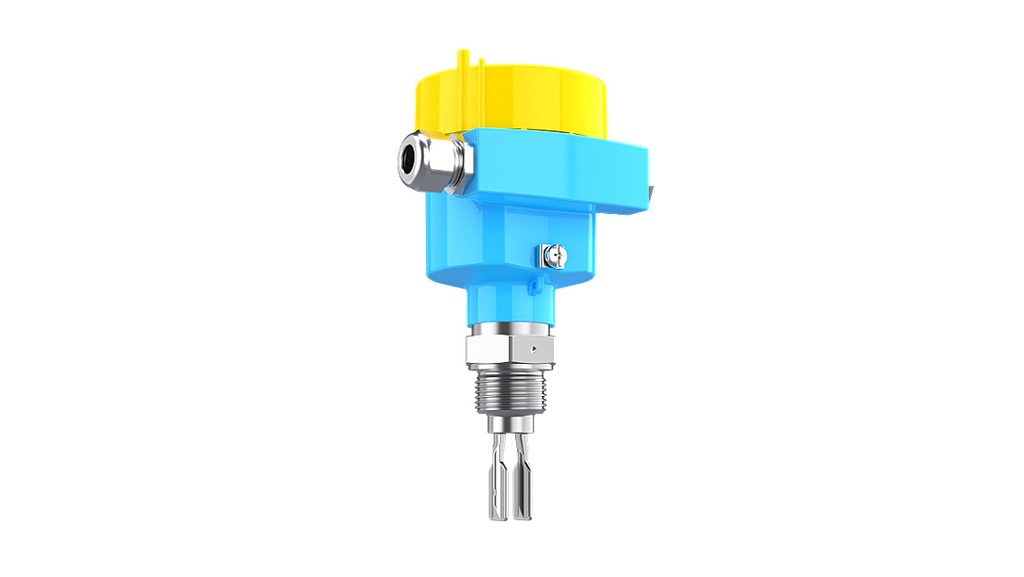
Electronic liquid level switches can detect the presence or absence of liquid using capacitive, optical, conductive, or other sensing principles.
Unlike conventional float switches, some electronic level switches do not require a float or other continuously moving mechanical components.
This fundamental difference in design can provide significant advantages in many applications.
3. Fewer Moving Parts and Improved Long-Term Reliability
One of the main benefits of replacing a float level switch with an electronic level switch is reduced dependence on moving mechanical parts.
A traditional float switch requires the float to move up and down as the liquid level changes. If the liquid contains contaminants, sediment, crystals, or other deposits, these materials may gradually accumulate around the float or guide mechanism.
For example, in industrial water tanks, wastewater equipment, or storage vessels, deposits may build up on the float and surrounding components. Over time, this can increase resistance to movement and, in some cases, cause the float to become stuck.
If the float cannot move freely, the switch may fail to detect the actual liquid level correctly.
Many electronic liquid level switches eliminate the need for a moving float. This can reduce the risk of mechanical sticking and improve reliability, particularly in equipment that must operate continuously for long periods.
4. Reduced Maintenance Requirements
Maintenance costs are an important factor when selecting a liquid level detection solution.
A traditional float level switch may have a relatively low initial purchase cost. However, if it is installed in a location that is difficult to access, problems such as scale buildup, float sticking, or mechanical failure can require equipment shutdown and manual inspection.
For large tanks, industrial machinery, and enclosed liquid systems, the labor and downtime associated with a single maintenance operation may cost significantly more than the level switch itself.
Using a liquid level switch without a moving float can reduce maintenance associated with mechanical components.
However, this does not mean that electronic level switches are completely maintenance-free.
In applications where liquids can produce heavy scale, oil deposits, crystals, or sediment, the sensing surface may still require periodic inspection and cleaning.
Nevertheless, reducing the number of moving mechanical parts can simplify maintenance and reduce the possibility of mechanical failure.
5. Compact Size for Space-Constrained Equipment
Modern equipment is becoming increasingly compact, making sensor size an important design consideration.
A traditional float level switch requires enough space for the float to move freely. In a small tank containing pumps, heaters, filters, pipes, or other components, providing sufficient clearance for the float may be difficult.
Many electronic liquid level switches use a compact sensing structure and do not require additional space for vertical float movement.
This makes them suitable for small water tanks, liquid reservoirs, coolant tanks, compact appliances, and other applications where installation space is limited.
For equipment designers, this can provide greater flexibility when designing the tank and internal components.
A smaller liquid level detection system can help optimize the overall equipment layout without sacrificing essential level monitoring functions.
6. More Flexible Installation Options
Tank structures vary considerably between different types of equipment.
Some systems require top-mounted sensors, while others are better suited to side-mounted or bottom-mounted level switches. In certain applications, the sensor may even need to detect liquid through the wall of a container.
Traditional float level switches often require careful consideration of mounting direction, float movement, installation angle, and surrounding clearance.
Incorrect positioning may interfere with the movement of the float and affect detection performance.
Electronic liquid level switches that do not depend on mechanical float movement can often provide greater installation flexibility.
Depending on the sensing technology and sensor design, they may support side mounting, bottom mounting, top mounting, or, in some cases, non-contact detection through a non-metallic container wall.
The appropriate installation method should always be selected according to the sensing principle, tank material, wall thickness, liquid properties, and operating environment.
7. Reduced Risk of Float Sticking
Float sticking is one of the potential problems that should be considered when using mechanical liquid level detection.
Viscous liquids, suspended particles, contaminants, crystals, scale, or oil deposits can interfere with the free movement of a float.
If the float becomes stuck, the actual liquid level may change while the switch remains in its previous state.
Depending on the application, this could potentially result in failed low-level protection, tank overflow, pump dry running, or incorrect automatic filling control.
A properly selected electronic liquid level switch can reduce the risk associated with a mechanically stuck float because it does not depend on the float moving freely to detect the liquid.
This can improve the stability of the overall liquid level control system.
8. Suitable for Applications with Frequent Level Changes
In some equipment, the liquid level may rise and fall frequently during normal operation.
Examples include automatic filling systems, circulation systems, small liquid reservoirs, cooling systems, and automated machinery.
In these applications, the liquid level switch may need to change states frequently.
With a mechanical float switch, repeated operation means that the float and associated switching mechanism may move many times throughout the equipment’s service life. Therefore, mechanical durability and switch life need to be considered.
An electronic liquid level switch without moving mechanical parts does not require repeated float movement to perform liquid detection.
For this reason, it can be an attractive option for applications involving frequent liquid level changes.
Actual service life, however, also depends on factors such as operating temperature, liquid properties, electrical load, sealing design, installation conditions, and the surrounding environment.
9. Better Adaptability to Different Liquid Detection Requirements
Different liquids have significantly different physical properties.
Water, oil, cleaning fluids, coolants, and industrial process liquids can vary in density, viscosity, conductivity, dielectric properties, and other characteristics.
Because a float level switch relies on buoyancy, liquid density directly affects how the float behaves. In low-density liquids or unusual media, engineers must carefully consider float material, weight, size, and buoyancy.
Electronic liquid level switches provide additional options because different sensing technologies can be selected for different liquids.
Depending on the application, capacitive, optical, conductive, or other liquid sensing technologies may be suitable.
This gives equipment designers more flexibility to select a liquid level detection method based on the actual properties of the medium rather than relying entirely on a mechanical buoyancy system.
10. Easier Integration with Automated Control Systems
Modern liquid level monitoring systems are increasingly connected to controllers, PLCs, control boards, and other automated systems.
Once a level switch detects a high or low liquid level, it can send an electrical signal to the control system. The controller can then perform the required action.
For example, a liquid level control system can:
- Start a refill pump when a low liquid level is detected.
- Stop filling when the liquid reaches the high-level detection point.
- Shut down equipment when a low or empty condition is detected.
- Activate an alarm when an abnormal liquid level occurs.
- Use multiple level detection points for multi-stage liquid level control.
Electronic liquid level switches can often be integrated conveniently into modern control circuits, making them suitable for automated equipment and intelligent liquid management systems.
11. Fewer Mechanical Components Inside the Tank
Reducing the number of mechanical components inside a tank can be beneficial in drinking water equipment, cleaning systems, industrial equipment, appliances, and other applications where tank design and cleanliness are important.
A traditional float level switch normally requires the float itself to remain in direct contact with the liquid.
Some electronic liquid level switches can use a much smaller sensing element. Depending on the sensing technology and tank material, certain sensors can even detect the liquid without direct contact through a non-metallic container wall.
This can simplify the internal tank structure and reduce the number of components that may collect deposits.
For equipment requiring regular tank cleaning, a simpler internal structure can also make cleaning and maintenance easier.
12. What Should Be Considered When Replacing a Float Level Switch?
Although electronic liquid level switches offer many advantages, this does not mean that every application should automatically replace its float level switch.
The correct approach is to select the sensing technology according to the actual operating conditions.
Before replacing a float level switch, several factors should be evaluated carefully.
Liquid Type
First, determine the liquid that needs to be detected.
Water, oil, coolant, cleaning fluid, wastewater, and other industrial liquids have different physical properties. The appropriate sensing technology may therefore vary from one liquid to another.
Operating Temperature
High temperatures can affect electronic components, sensing elements, housing materials, and seals.
Always confirm that the selected liquid level switch is suitable for the minimum and maximum operating temperatures of the application.
Operating Pressure
If the level switch is installed in a sealed or pressurized tank, the sensor structure and sealing method must be suitable for the system pressure.
Tank Material
Plastic, glass, and metal containers interact differently with various sensing technologies.
Tank material and wall thickness are particularly important when using a non-contact liquid level detection method.
Scale and Deposit Formation
Eliminating a moving float does not automatically eliminate all problems associated with contamination.
If the liquid creates heavy scale, crystals, oil deposits, or sediment around the sensing area, the performance of some electronic level detection technologies may still be affected.
Output Signal
The electrical output of the level switch should be compatible with the existing controller, PLC, control board, or other equipment.
Installation Position
High-level alarms, low-level protection, overflow prevention, and automatic refilling require different sensing positions.
The location of each level switch should therefore be determined according to the required control logic.
Evaluating these factors is essential when determining whether an electronic liquid level switch is a suitable replacement for an existing float switch.
13. Electronic Liquid Level Switch vs. Float Level Switch: What Is the Difference?
The main difference between an electronic liquid level switch and a float level switch is the method used to detect the liquid level.
A float level switch typically uses liquid buoyancy to move a float. The movement of the float then activates a magnetic, reed, or mechanical switching mechanism.
An electronic liquid level switch can detect changes in capacitance, optical conditions, electrical characteristics, or other physical properties to determine whether liquid has reached a specific point.
As a result, there is no universal answer that one technology is always better than the other.
For simple applications involving clean liquids, sufficient installation space, and strict cost requirements, a float level switch can still be a practical solution.
For equipment requiring compact dimensions, fewer moving parts, lower maintenance requirements, flexible installation, or easier integration with automated controls, an electronic liquid level switch may offer significant advantages.
14. Where Can Electronic Liquid Level Switches Replace Float Switches?
When the liquid properties, operating temperature, pressure, and installation conditions are suitable, electronic liquid level switches can be used in many applications that traditionally rely on float switches.
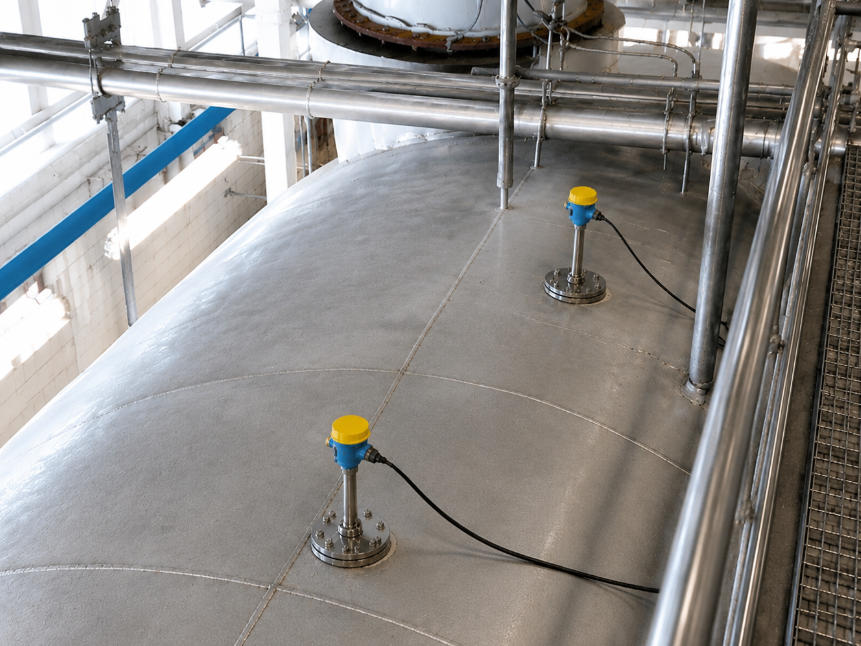
Typical applications include industrial water tanks, high-level and low-level detection, low-water protection systems, automatic refilling systems, coolant level detection, circulating water equipment, cleaning equipment, water treatment systems, compact liquid reservoirs, machinery, and automated production equipment.
Electronic level switches are particularly worth considering when installation space is limited, equipment must operate continuously, or reducing mechanical maintenance is an important design objective.
For new equipment development, it is generally beneficial to consider the sensor mounting position, tank structure, liquid characteristics, and control logic early in the design process.
This makes it easier to achieve reliable liquid level detection than simply replacing an existing sensor without considering the overall system design.
15. What Are the Main Benefits of Replacing a Float Level Switch?
From an equipment design perspective, replacing a float level switch with an electronic liquid level switch is more than simply changing one sensor for another.
It represents a transition from a primarily mechanical liquid level detection method toward a more compact and electronically integrated solution.
When correctly selected for the application, an electronic liquid level switch can provide several important benefits:
- Fewer moving mechanical parts
- Reduced risk of float sticking
- Lower maintenance requirements
- Compact installation
- Greater flexibility in sensor placement
- Easier integration with automated control systems
- Suitability for equipment with frequent liquid level changes
- More flexibility when selecting a sensing technology for different liquids
For equipment expected to operate continuously over a long service life, the purchase price of the sensor is only one part of the total cost.
Installation expenses, maintenance frequency, equipment downtime, replacement labor, and losses caused by incorrect liquid level detection should also be considered.
Therefore, when comparing electronic liquid level switches with float level switches, it is often more useful to evaluate the total lifecycle cost and reliability of the complete system rather than comparing sensor prices alone.
Conclusion
Float level switches have been used successfully for many years and remain a practical liquid level detection solution for numerous applications.
However, as industrial equipment continues to move toward compact design, automation, intelligent control, and reduced maintenance, the limitations of mechanical float-based systems may become more noticeable in certain applications.
For systems with limited installation space, frequent liquid level changes, potential scale buildup, risk of mechanical sticking, or a requirement for reduced maintenance, a properly selected electronic liquid level switch can provide an effective alternative to a traditional float level switch.
However, no single liquid level detection technology is suitable for every application.
When selecting a liquid level switch, engineers should consider the liquid type, temperature, pressure, tank material, installation method, electrical output, contamination conditions, and control requirements.
By selecting the appropriate sensing principle according to the actual operating conditions, equipment designers can take advantage of the reliability, compact installation, reduced mechanical complexity, and maintenance benefits offered by modern electronic liquid level switches.
Ultimately, the goal is not simply to replace a float level switch, but to select a liquid level detection solution that provides reliable high-level detection, low-level protection, overflow prevention, and automatic liquid level control throughout the equipment’s operating life.