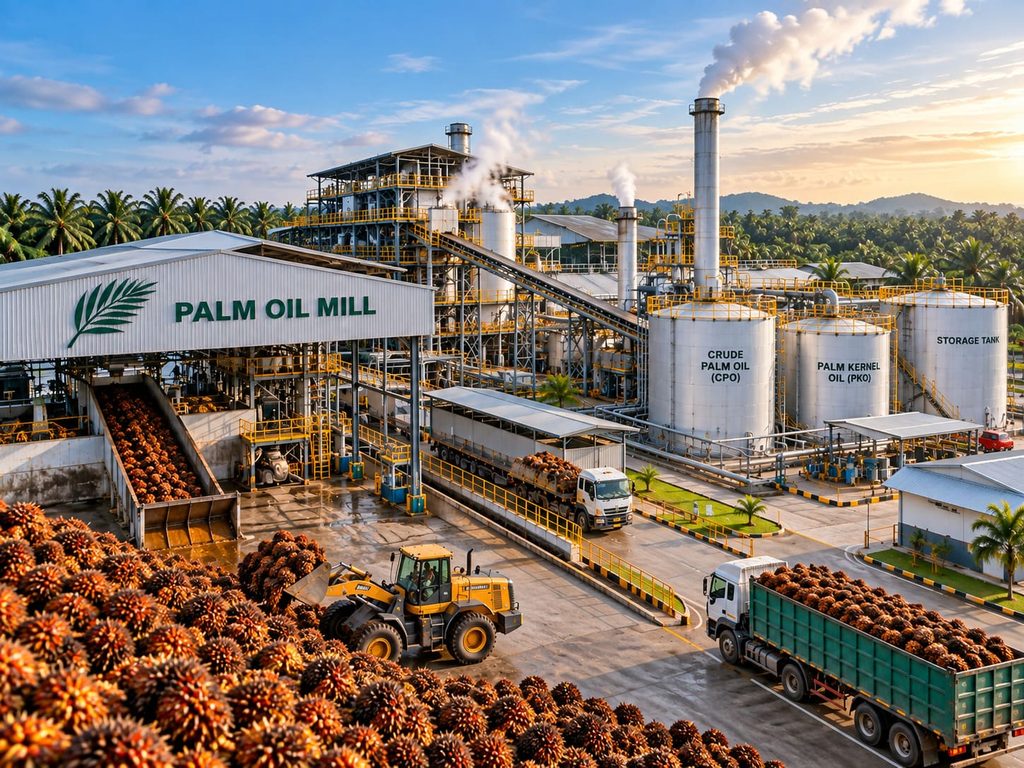
Palm oil storage may appear to be a relatively straightforward liquid-level application. In practice, however, temperature, viscosity, tank geometry, condensation, product buildup, and process automation requirements can all affect measurement reliability.
For palm oil mills, refineries, edible oil plants, tank farms, and food-processing facilities, reliable level measurement is important not only for inventory monitoring but also for preventing overfilling, protecting transfer pumps, and maintaining stable production.
Why Is Palm Oil Level Measurement Challenging?
Palm oil properties change noticeably with temperature. When the product is warm, it flows relatively easily. As temperature decreases, viscosity increases and deposits may form on cooler surfaces.
This creates several possible problems for contact-type instruments.
A float may move more slowly if deposits accumulate around the moving components. Pressure-based instruments may be affected when product density changes. Probes that remain in contact with the product may require periodic cleaning.
Storage tanks can also contain heating coils, inlet pipes, structural supports, and other internal components that complicate instrument installation.
For these reasons, the level measurement method should be selected according to the entire operating condition rather than tank height alone.
Why Consider Radar Level Measurement?
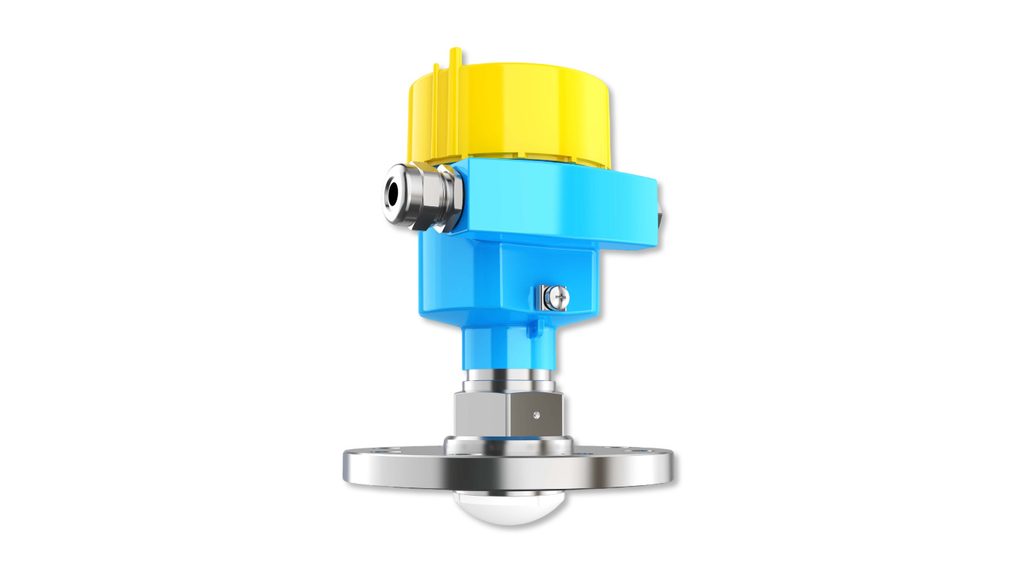
A radar level transmitter measures the distance between the antenna and the product surface using electromagnetic waves.
Because the measurement is non-contact, the sensing element does not need to move through the palm oil.
This provides several practical advantages:
- Reduced risk of mechanical sticking
- Less direct exposure to viscous product
- Continuous level output
- Suitable integration with PLC or DCS systems
- Lower dependence on product density
- Easier maintenance in many storage applications
High-frequency radar can also provide a relatively narrow measurement beam, which is useful when the tank contains heating coils, pipes, or other internal structures.
However, radar should not simply be mounted wherever an available nozzle exists. The antenna position, beam path, tank wall, inlet stream, maximum level, and internal obstacles should all be reviewed before installation.
What About Ultrasonic Level Measurement?
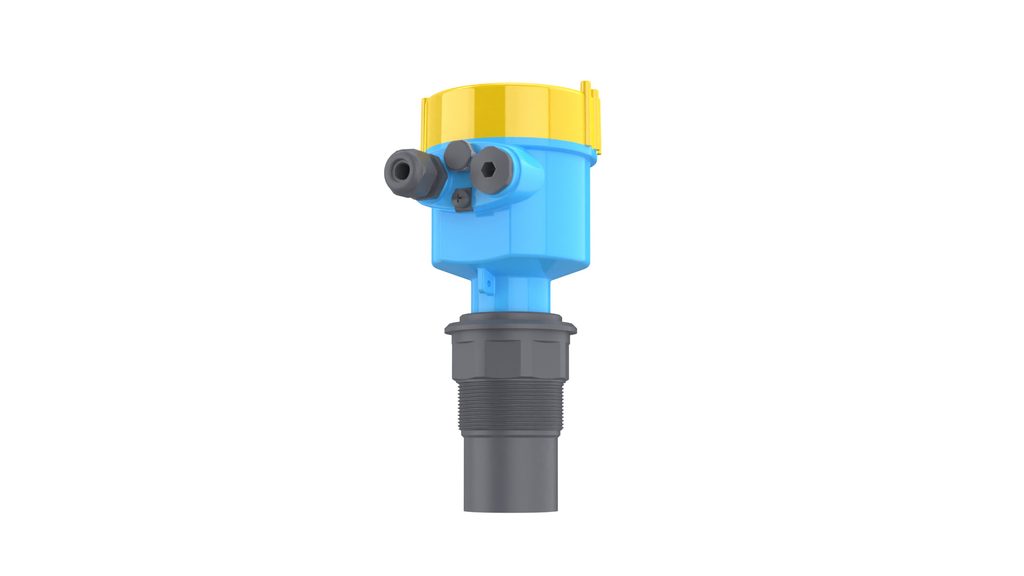
Ultrasonic level meters are another non-contact option.
For simple atmospheric tanks with relatively stable surfaces, they can provide economical continuous measurement. However, ultrasonic measurement depends on sound propagation through the gas space above the liquid.
Heavy condensation, vapor, temperature gradients, or foam can therefore create additional measurement challenges.
Where these conditions are significant, radar is often worth evaluating.
Can Float Level Instruments Be Used?
Yes. Float level gauges and float switches can be practical for clean palm oil applications when the viscosity and temperature remain within the instrument’s operating limits.
The key issue is free float movement.
If the product cools and becomes more viscous, or if deposits gradually accumulate, the float may respond more slowly. The minimum operating temperature should therefore be considered during selection, not only the normal storage temperature.
Continuous Measurement and Independent Level Protection
A continuous transmitter and a point level switch perform different functions.
The continuous transmitter answers:
“How much palm oil is currently in the tank?”
A point level switch answers:
“Has the product reached this critical position?”
For important storage tanks, these two functions can be combined.
The radar transmitter can provide continuous inventory and process data, while an independent high-level switch can provide an additional overfill alarm. A low-level switch may also be used to protect transfer pumps against operation without sufficient liquid.
Installation Recommendations
The radar should generally be positioned away from the filling stream because incoming palm oil can create temporary surface disturbance and unwanted reflections.
The beam path should also avoid heating coils, ladders, support members, and other fixed obstacles.
If a mounting nozzle is used, its diameter and length should be compatible with the selected antenna. A long, narrow nozzle can create unwanted reflections.
For heated tanks, condensation around the antenna and nozzle should also be considered.
What Information Is Needed for Selection?
Before selecting a palm oil tank level sensor, provide the instrument supplier with the medium type, tank height, tank diameter, normal and maximum temperature, pressure, installation connection, internal tank structures, heating arrangement, required output signal, and hazardous-area requirements where applicable.
The minimum product temperature is especially important because it may determine the highest expected viscosity.
Conclusion
Reliable palm oil tank level measurement depends on more than measuring range.
Temperature-dependent viscosity, product buildup, tank internals, installation geometry, and control requirements should all be considered.
For many storage tanks, non-contact radar provides an attractive solution for continuous measurement because it avoids moving components inside the product. Float instruments can remain practical under suitable conditions, while independent point level switches can provide additional high- or low-level protection.
The most reliable solution is therefore the one matched to the actual palm oil properties and tank conditions rather than the one selected solely by instrument type or purchase price.