
When designing industrial piping systems, choosing the correct flange is essential for ensuring safe connections, reliable sealing, and long-term performance. Among the many flange types available, the SORF flange (Slip On Raised Face Flange) is one of the most widely used because it combines easy installation with cost-effective performance.
Whether you’re working in oil & gas, chemical processing, water treatment, food manufacturing, or level measurement systems, understanding how a SORF flange works can help you select the right connection for your project.
In this guide, we’ll explain what a SORF flange is, how it differs from other flange types, its advantages, common applications, and key selection factors.
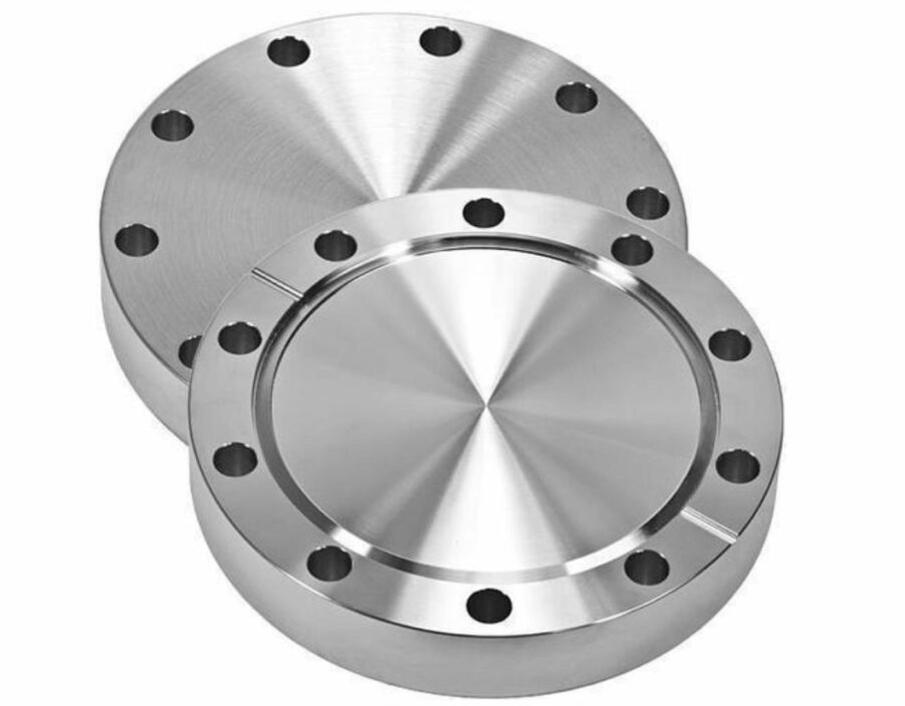
What Does SORF Stand For?
SORF stands for Slip On Raised Face Flange.
The abbreviation consists of two parts:
- SO (Slip On) – The flange slides over the outside diameter of the pipe before welding.
- RF (Raised Face) – The sealing surface is slightly raised above the flange body to improve gasket compression and sealing performance.
Unlike weld neck flanges, SORF flanges are easier to align during installation, making them a popular choice for low- and medium-pressure piping systems.
How Does a SORF Flange Work?
A SORF flange is installed by slipping it over the pipe and securing it with fillet welds on both the inside and outside.
The raised face creates a concentrated sealing area where the gasket is compressed between two mating flanges. This design minimizes leakage while providing a dependable mechanical connection.
A typical connection consists of:
- Pipe
- SORF flange
- Gasket
- Bolts and nuts
- Matching raised-face flange
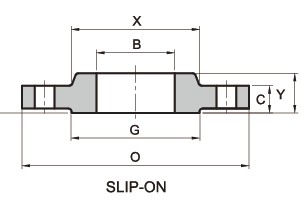
This simple design reduces installation time while maintaining excellent sealing performance for many industrial services.
Main Features of a SORF Flange
Several characteristics make SORF flanges one of the most common industrial flange types.
Easy Installation
Because the flange slips directly over the pipe, alignment is faster than with butt-welded flanges. This simplifies field installation and maintenance.
Reliable Raised Face Seal
The RF sealing surface concentrates bolt pressure onto the gasket, producing a tighter and more consistent seal.
Cost-Effective
Compared with weld neck flanges, SORF flanges require less machining and simpler fabrication, resulting in lower manufacturing and installation costs.
Wide Availability
SORF flanges are produced according to internationally recognized standards, making replacement and sourcing straightforward across global markets.
Advantages of SORF Flanges
Many industries choose SORF flanges because they provide an excellent balance between performance and affordability.
Key benefits include:
- Simple installation process
- Lower fabrication costs
- Reliable sealing performance
- Easy alignment during assembly
- Broad range of sizes and materials
- Compatible with international piping standards
- Suitable for most general industrial services
These advantages make SORF flanges ideal for projects where moderate pressure and temperature conditions are expected.
Common Applications of SORF Flanges
SORF flanges are widely used in industrial piping systems across multiple industries.
Typical applications include:
Oil and Gas
Used in utility piping, storage tanks, and process systems operating under standard pressure conditions.
Chemical Processing
Suitable for transferring non-extreme chemical media when appropriate corrosion-resistant materials are selected.
Water Treatment
Commonly installed in water distribution systems, filtration equipment, and wastewater treatment facilities.
Food and Beverage
Stainless steel SORF flanges are frequently used in hygienic process piping.
Power Generation
Applied in cooling water systems and auxiliary pipelines.
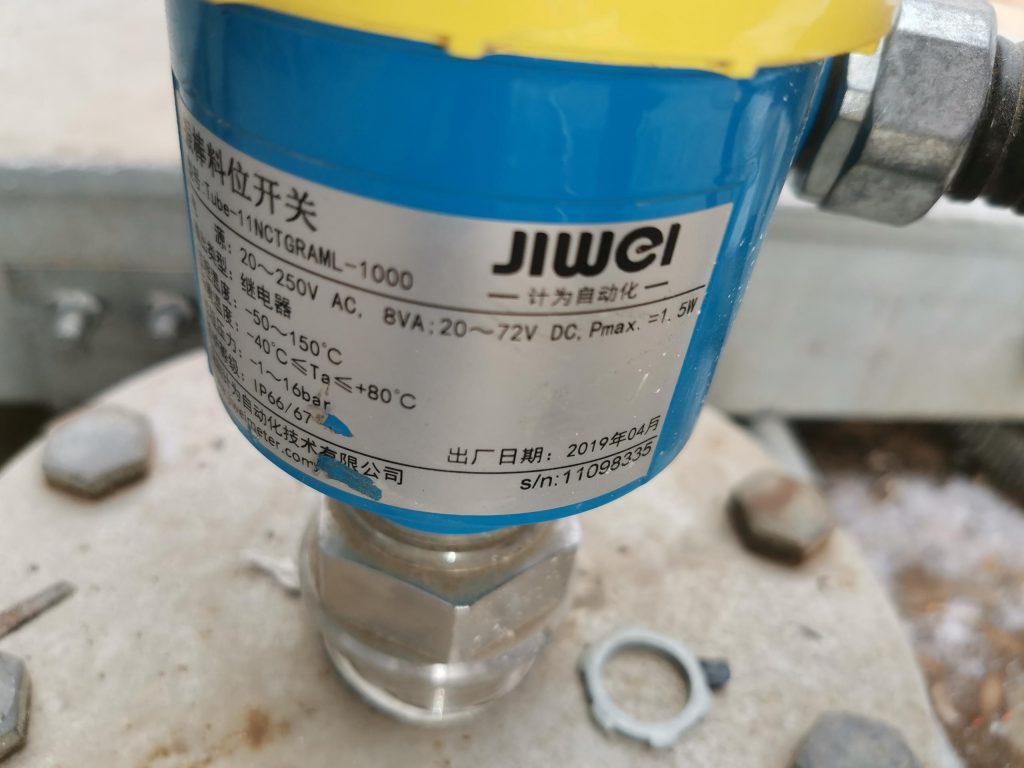
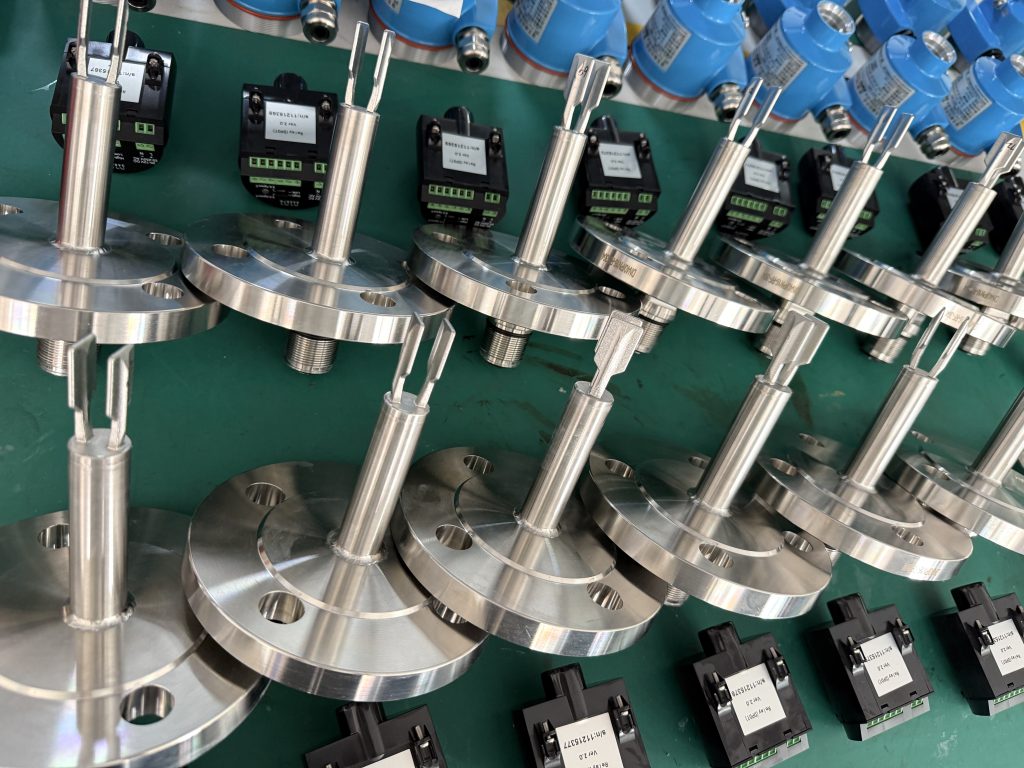
Level Measurement Instruments
Many industrial instruments use SORF flanges as process connections, including:
- Radar level transmitters
- Guided wave radar level meters
- Vibrating fork level switches
- Float level switches
- Capacitive level sensors
The flange provides stable installation while allowing instruments to be removed easily for inspection or maintenance.
SORF Flange vs WNRF Flange
Although both flange types use raised-face sealing surfaces, their connection methods differ significantly.
| Feature | SORF Flange | WNRF Flange |
|---|---|---|
| Connection | Slip-on with fillet welds | Butt-weld neck |
| Installation | Easy | More complex |
| Cost | Lower | Higher |
| Strength | Moderate | Excellent |
| Pressure Rating | Low to medium | Medium to high |
| Fatigue Resistance | Standard | Superior |
| Typical Use | General industrial service | Critical high-pressure systems |
If the system operates under severe pressure, high temperatures, or cyclic loading, a WNRF flange is generally the better option.
Common Materials
SORF flanges are manufactured from a wide variety of materials to meet different operating environments.
Popular choices include:
- Carbon Steel ASTM A105
- Stainless Steel 304
- Stainless Steel 316 / 316L
- Duplex Stainless Steel
- Alloy Steel
- Nickel Alloy
- Low Temperature Carbon Steel
Material selection depends on corrosion resistance, operating temperature, pressure, and process media.
Available Sizes and Pressure Ratings
Standard SORF flanges are available in numerous sizes and pressure classes.
Typical nominal sizes include:
- DN50
- DN65
- DN80
- DN100
- DN150
- DN200
Common pressure ratings include:
- PN10
- PN16
- PN25
- PN40
- Class 150
- Class 300
- Class 600
Manufacturers can also provide customized dimensions for specialized industrial equipment.
How to Choose the Right SORF Flange
Before purchasing a SORF flange, consider the following factors:
Operating Pressure
Higher pressure systems may require heavier flange classes.
Working Temperature
Verify that both the flange material and gasket can withstand the operating temperature.
Process Medium
Corrosive chemicals often require stainless steel or special alloy materials.
Industry Standards
Confirm compliance with standards such as:
- ASME B16.5
- DIN EN 1092-1
- JIS
- GB/T
Pipe Size
Ensure the flange matches the pipe’s nominal diameter and pressure rating.
Frequently Asked Questions
Is a SORF flange suitable for high-pressure systems?
SORF flanges perform well in low- and medium-pressure applications. For high-pressure or high-temperature service, weld neck flanges are generally recommended.
Why is the raised face important?
The raised face increases gasket compression, improving sealing efficiency and reducing the risk of leakage.
Can SORF flanges be made from stainless steel?
Yes. Stainless steel grades such as SS304 and SS316 are widely used for corrosive or sanitary applications.
What industries commonly use SORF flanges?
They are extensively used in oil & gas, chemical plants, water treatment, food processing, pharmaceuticals, marine engineering, and industrial instrumentation.
Conclusion
A SORF flange (Slip On Raised Face Flange) is one of the most practical and economical flange types for industrial piping systems. Its slip-on design simplifies installation, while the raised-face sealing surface provides dependable leak protection.
Because of its combination of affordability, ease of installation, standardized dimensions, and reliable sealing performance, the SORF flange remains a preferred choice for piping systems, storage tanks, and industrial process equipment across a wide range of industries.