1. Why Are Chemical Instruments More Likely to Fail During the Rainy Season?
In chemical plants, environmental protection facilities, power plants, water treatment systems, pharmaceutical factories, food processing plants and building material production sites, industrial instruments play an important role in level measurement, material level detection, pressure monitoring, temperature measurement, flow measurement, switch alarm and automatic control. Stable instrument data is directly related to continuous production and on-site safety.
After the rainy season begins, the operating environment changes significantly. Continuous rainfall increases air humidity, outdoor instruments are exposed to rain, and water may enter cable joints, junction boxes, instrument cabinets and conduit connections if sealing is not properly handled. At the same time, thunderstorms may also cause transient overvoltage, damaging circuit boards, signal modules, power modules or communication modules.
Many instrument failures do not occur immediately. Instead, they develop gradually after long-term exposure to moisture, condensation, corrosion and insulation degradation. For example, sudden signal fluctuation, abnormal level display, false alarms, communication interruption, terminal oxidation and sensor drift may all be related to insufficient rainy season protection.
Therefore, rainy season protection for chemical instruments should not rely only on temporary repair. A complete system for waterproofing, moisture prevention, lightning protection, corrosion prevention and routine inspection should be established. Only by taking preventive measures in advance can the risk of water ingress and surge damage be effectively reduced.
2. Improve the Installation Environment to Reduce Direct Rainwater Intrusion
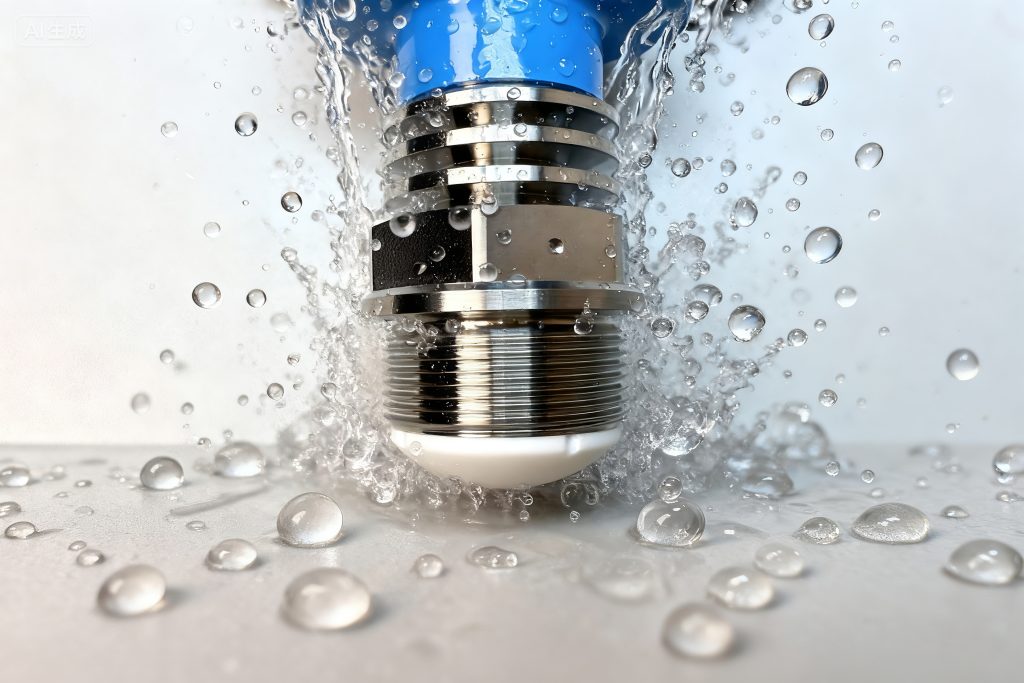
The first step in rainy season instrument protection is to optimize the installation environment. For industrial instruments installed outdoors, on open platforms, in tank farms, pipe racks, sewage pools, silo tops or high-position equipment, the impact of rainwater, accumulated water and splashing water should be fully considered.
Outdoor instruments are recommended to be equipped with rain covers or protective shelters. The rain cover should have a proper slope so that rainwater can drain away smoothly instead of staying on the instrument surface for a long time. For level meters, material level switches, pressure transmitters, temperature transmitters and junction boxes exposed outdoors for long periods, a rain cover can not only reduce direct rain impact, but also reduce the influence of sunlight and corrosive gases on the instrument housing.
The installation position is also important. Instruments should not be installed in low-lying areas, places with poor drainage, areas prone to water accumulation or locations where rainwater may flow backward. For instruments near pits, pools and drainage channels, the installation height should be properly raised, and the bracket should be protected against corrosion and firmly fixed to avoid long-term soaking.
Instrument cabinets, control boxes and junction boxes should not be installed directly on the ground. A support frame or foundation platform can be used under the cabinet. The sealing strips, locks, hinges, cable entries and drainage structure should be checked regularly. For cable trenches, conduits and cable trays, drainage must be kept smooth to prevent rainwater from entering instruments or control cabinets along the cables.
3. Pay Attention to Moisture and Condensation to Avoid Hidden Failures
Compared with obvious water ingress, moisture and condensation are more hidden and easier to ignore. During the rainy season, air humidity is high. When there is a large temperature difference between day and night or between the equipment and the environment, water vapor may condense inside instruments, on wiring terminals, circuit boards or the inner walls of cabinets. If condensation remains for a long time, it may cause insulation degradation, terminal oxidation, circuit board corrosion and signal abnormalities.
Therefore, moisture control inside instrument cabinets and control boxes should be strengthened. In high-humidity areas, dehumidifiers, heaters or temperature and humidity monitoring devices can be installed inside cabinets. When the humidity inside the cabinet exceeds the set range, dehumidification or heating should be started in time to reduce the risk of condensation.
Desiccant is also a common auxiliary moisture-proof method, but it should not be left unchecked for a long time. During the rainy season, the desiccant should be inspected regularly to determine whether it has lost effectiveness, and it should be replaced in time according to the actual humidity conditions. For key instrument cabinets that operate continuously, it is recommended to keep humidity inspection records for maintenance tracking and problem analysis.
For integrated outdoor instruments, if the site has large temperature differences and high humidity, products with reliable sealing performance, waterproof breathable structures or internal anti-condensation design should be preferred. This helps maintain waterproof performance while reducing internal moisture accumulation and improving long-term operating stability.
4. Instrument Sealing Is the Core of Waterproof and Moisture Protection
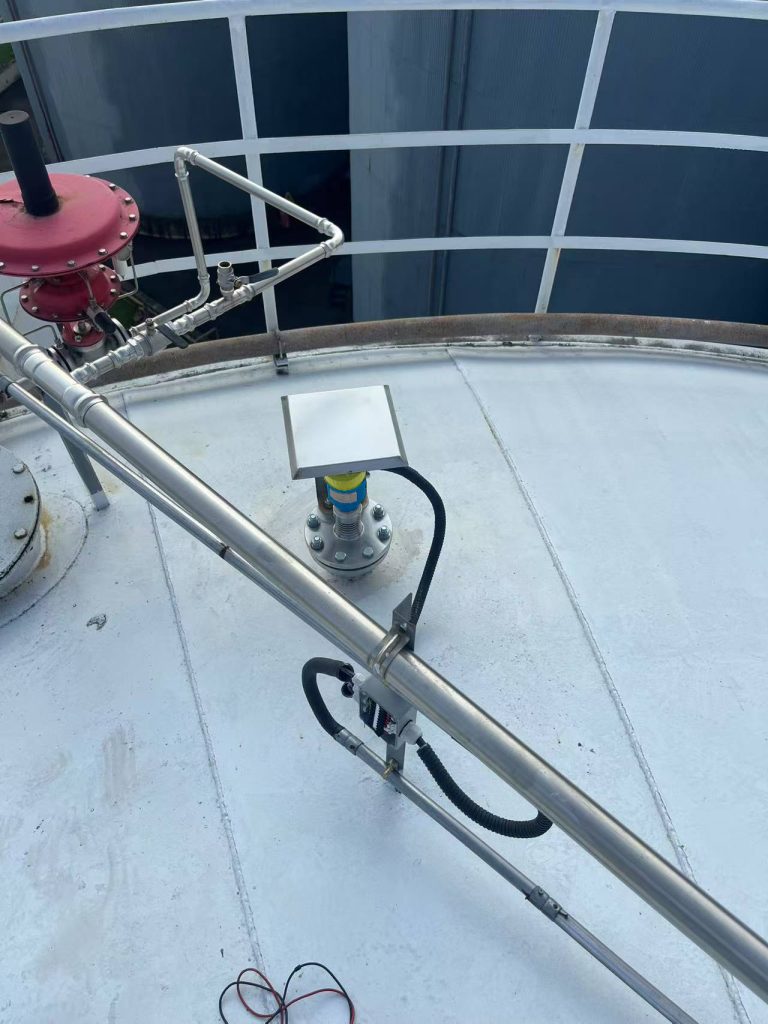
In many cases, instrument water ingress during the rainy season is not caused by damage to the housing itself, but by weak sealing points. Common water ingress points include cable entries, wiring terminals, instrument covers, threaded connections, flange connections, junction box covers and conduit interfaces.
During installation and maintenance, the sealing ring of the instrument housing should be carefully checked for aging, deformation, loss or incorrect installation. After the instrument cover is tightened, the sealing surface should be clean and free of dust, rust or foreign matter to avoid affecting the sealing effect.
Cable entry is a key point for rainy season protection. Waterproof cable glands matched to the cable diameter should be selected, and they should be properly tightened after installation. For outdoor instruments, it is recommended to create a drip loop before the cable enters the instrument, preventing rainwater from flowing directly into the wiring chamber along the cable. If necessary, waterproof glue, heat-shrink tubing, waterproof junction boxes or metal flexible conduits can be used for secondary protection.
For chemical sites with strong corrosion, the instrument housing material and corrosion resistance should also be considered. Instruments used in acidic or alkaline gases, salt mist, dust or humid environments for a long time should preferably use stainless steel housings, anti-corrosion coatings or corrosion-resistant process connection structures to reduce the impact of the rainy season on instrument service life.
5. Select the Proper Protection Rating According to the Site Environment
The protection rating of industrial instruments directly affects their reliability during the rainy season. Ordinary indoor environments and outdoor chemical sites have very different requirements for instrument protection, so installation position and environmental conditions should be fully considered during product selection.
For general outdoor environments, instruments with higher protection ratings are recommended to meet dustproof, rainproof and splash-proof requirements. For areas that may experience heavy rainfall, temporary water accumulation or high-pressure washing, products with higher protection ratings should be selected according to actual site conditions. If the instrument may remain in a humid, corrosive or temporarily flooded environment for a long time, product selection should also consider corrosion-resistant structure, cable sealing and installation method.
For key measuring equipment such as level meters, material level meters, level switches, pressure transmitters and temperature instruments, products with reliable structural sealing, complete wiring chamber protection, corrosion-resistant housings and outdoor suitability should be preferred. Correct selection can reduce rainy season failures from the source, instead of relying on passive repair after water ingress occurs.
6. Use Surge Protection to Reduce Lightning Damage During Thunderstorms
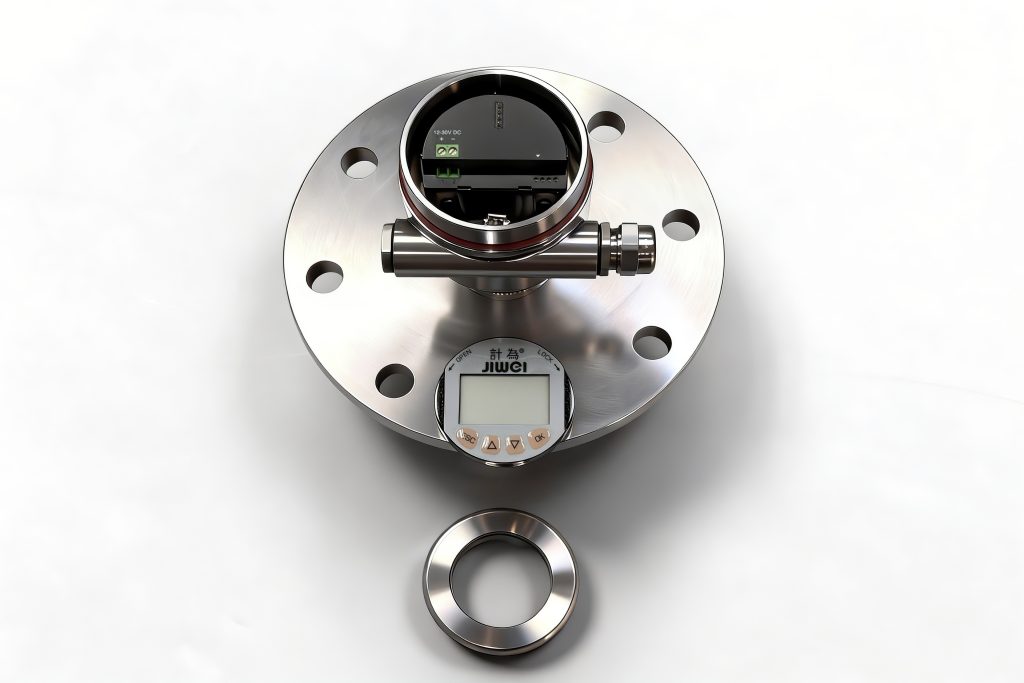
The rainy season is often accompanied by thunderstorms, and lightning surge is one of the major causes of industrial instrument damage. Even if lightning does not directly strike the instrument, transient overvoltage may be introduced through power cables, signal cables, communication cables or grounding systems, causing damage to internal electronic components.
Therefore, suitable surge protective devices should be installed for key instrument loops. For 4-20mA, RS485, Modbus and other signal loops, signal surge protectors should be used. For instrument power supply circuits, power surge protectors should be installed. Communication systems and remote monitoring systems should also be protected according to the corresponding line type.
Surge protection is not completed simply by installing a protective device. Grounding, cable length, installation position and device matching all affect the actual protection effect. Surge protectors should be installed as close as possible to the protected equipment, and grounding must be reliable. If the grounding system is poor, the surge energy may not be effectively released even when surge protection devices are installed.
Before the rainy season, the grounding system should be checked to ensure that the grounding wire is not loose, broken or corroded. In lightning-prone areas, tank farms, silo tops and open platforms, lightning protection grounding and equipotential bonding should be inspected more carefully.
7. Key Inspection and Maintenance Before, During and After the Rainy Season
Rainy season instrument protection requires dynamic management rather than one-time work. It is recommended that enterprises establish a special rainy season inspection system, combining pre-season inspection, in-season inspection and post-season maintenance.
Before the rainy season, the instrument housing, junction box, sealing ring, cable gland, rain cover, instrument cabinet, grounding system and surge protector should be checked. Aging seals, loose terminals, damaged cable sheaths and failed desiccants should be replaced or repaired in time.
During the rainy season, inspection frequency should be increased appropriately. Maintenance personnel should pay close attention to water marks, fogging, condensation, rust, signal fluctuation, abnormal display and communication interruption. For key measuring points such as storage tank level, silo material level, high and low level alarms and interlock control points, real-time monitoring should be strengthened to prevent instrument abnormalities from affecting production safety.
After the rainy season, outdoor instruments, control boxes and cable systems should be fully inspected. Damp equipment should be dried and tested for insulation. Instruments with abnormal signals should be recalibrated. Corroded areas should be cleaned, protected and maintained in time to prevent small problems from developing into long-term hidden risks.
8. Emergency Handling After Water Ingress or Surge Damage
Once water ingress, short circuit, abnormal signal or suspected surge damage is found, emergency measures should be taken immediately to prevent the fault from expanding.
If an instrument has water ingress, the relevant power supply should be cut off first to avoid live operation. Then the wiring chamber or control cabinet should be opened for inspection, accumulated water should be removed and the equipment should be dried. After drying, insulation resistance and wiring status should be tested. Operation can only be resumed after confirming that there is no short circuit, leakage or corrosion risk.
If the instrument has no display, communication failure, abnormal output or module damage after a thunderstorm, the status of the surge protector, power module, signal module and grounding system should be checked. Surge protectors that have operated or failed should be replaced in time. After the instrument is restored, measurement verification should also be carried out to ensure accurate and reliable output data.
If signal drift is caused by condensation, the cabinet humidity, heater, dehumidifier and sealing condition should be checked. Simply wiping away surface moisture is not enough. The cause of condensation must be identified and improved through humidity control and sealing optimization.
9. Conclusion: Rainy Season Instrument Protection Requires Prevention, Monitoring and Maintenance
Rainy season protection for chemical instruments is a systematic task involving installation environment, rainproof structure, sealing treatment, moisture control, lightning surge protection, grounding system, routine inspection and emergency handling. Weakness in any one of these areas may lead to water ingress, moisture damage, signal drift, insulation degradation or electrical failure.
For chemical plants, wastewater treatment plants, power plants, food factories, pharmaceutical factories and building material plants, special inspections should be carried out before the rainy season, inspection should be strengthened during the rainy season, and maintenance and calibration should be performed after the rainy season. By establishing a complete rainy season protection mechanism, enterprises can effectively reduce industrial instrument failure rates and ensure stable, safe and continuous production.
Choosing industrial instruments with reliable sealing, high protection ratings, good corrosion resistance and suitability for site conditions, combined with standardized installation and regular maintenance, is the key to reducing rainy season failures. Only when waterproofing, moisture prevention, lightning protection and maintenance are properly implemented can industrial instruments remain stable and reliable in complex rainy season environments.