1. A 0.2-Second Breakthrough in the Pool Reflects Systematic Support Behind the Scenes
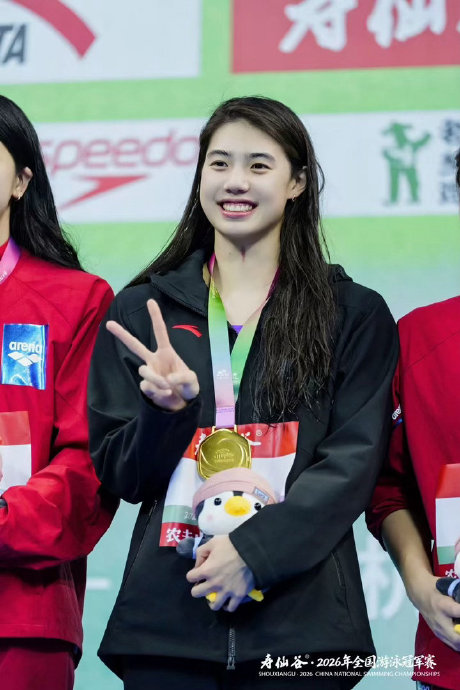
In the women’s 50m butterfly final at the recently concluded National Swimming Championships, Zhang Yufei touched the wall first with an outstanding time of 25.27 seconds, breaking the championship record she had previously set. For elite swimmers, an improvement of 0.2 seconds is not merely a numerical change in speed. It is the result of technical movements, start reaction, turn rhythm, water feel, physical conditioning, and the competition environment working together.
In a high-level swimming event, spectators see athletes sprinting in the lanes. Behind the scenes, however, pool water temperature, water quality, water level, water circulation, timing systems, lighting, air temperature and humidity, and venue safety management are all operating continuously. In competitive swimming in particular, whether the pool water level is stable, whether the water surface remains calm, and whether the overflow system runs smoothly can directly affect the fairness of the competition environment and the performance of athletes.
Therefore, modern swimming events are no longer managed simply through manual venue inspections. More and more natatoriums, sports centers, and aquatic sports venues are adopting automation instruments and smart monitoring systems to continuously collect, transmit, and centrally manage pool operation data. Among these technologies, radar level meters are becoming important choices for pool water level monitoring and event support due to their advantages of non-contact measurement, high accuracy, low maintenance, and strong anti-interference capability.
2. Why Do Swimming Events Need Stable and Reliable Water Level Monitoring?
Competitive swimming emphasizes “equal conditions in the same pool.” For sprint events, the gap between athletes may be only hundredths or even thousandths of a second. Any unstable factor can be amplified, including water surface disturbance, wall wave reflection, abnormal overflow levels, and imbalance in the water circulation system.
During official competitions, pool water levels usually need to be maintained at a specified height and properly matched with pool walls, starting blocks, touchpads, overflow channels, and other facilities. If the water level is too low, it may affect the starting block height reference, the effective area of touchpads, pool-edge overflow performance, and water surface wave reduction. If the water level is too high, it may increase the load on overflow channels, cause water accumulation around the pool deck, or lead to uneven water return in the equipment room.
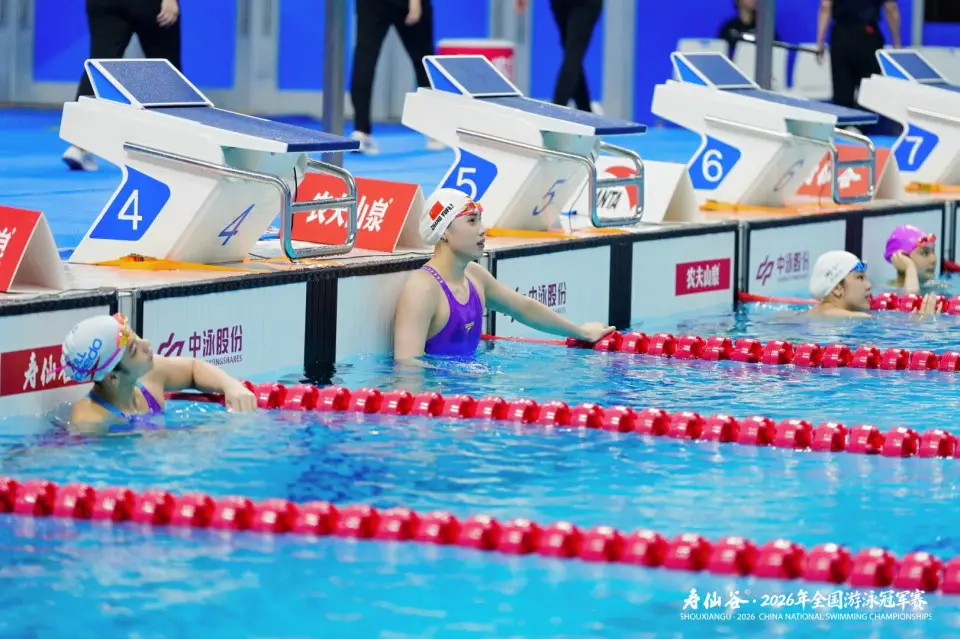
Large swimming venues usually use circulating filtration systems, constant-temperature systems, overflow return systems, and balance tank systems. During competitions, athletes entering the water, sprinting, turning, and practicing starts can all cause water surface fluctuations. At this time, the system must not only ensure clean water and stable temperature, but also keep the water level within a reasonable range. Traditional manual observation cannot continuously capture subtle changes. Contact-type devices such as float switches and submersible level sensors may also be affected by scale, chlorine disinfectants, impurity adhesion, and mechanical jamming.
Radar level transmitters calculate distance by transmitting electromagnetic waves toward the water surface and receiving reflected echoes. Since they do not need to come into direct contact with the water, they are highly suitable for level monitoring in swimming pools, balance tanks, return water tanks, make-up water tanks, and outdoor open-water competition areas. For event venues, this type of non-contact level measurement can reduce maintenance frequency, improve data reliability, and provide stable support for event operations.
3. Technical Features of Jiwei JWrada Radar Level Meters
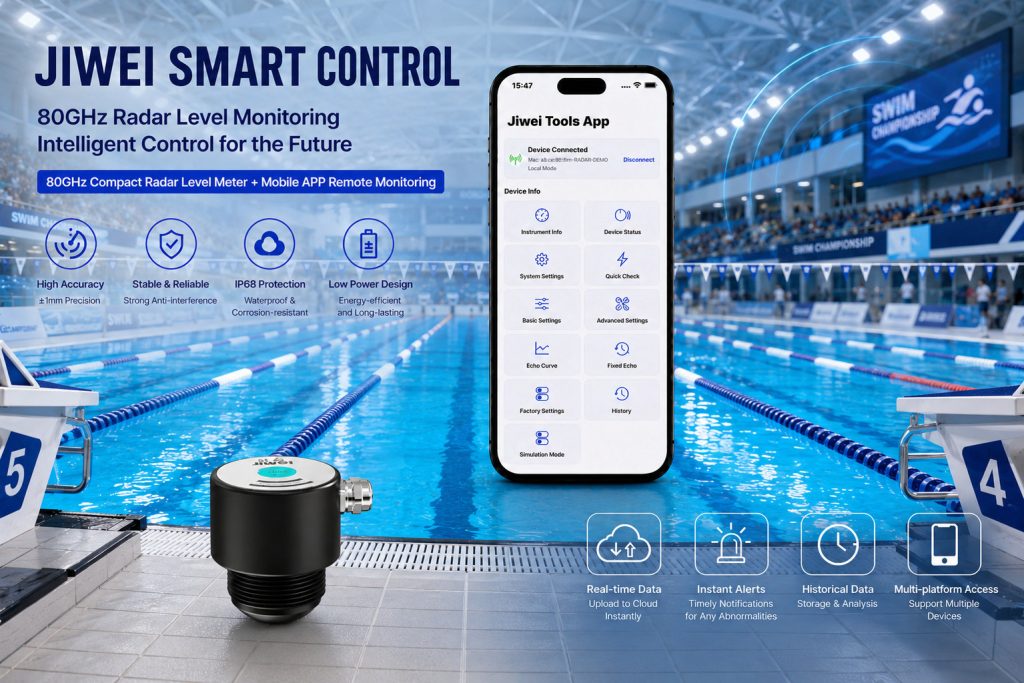
The JWrada radar level meters mainly adopt 80GHz high-frequency radar technology. Compared with traditional low-frequency radar or some ultrasonic level meters, 80GHz radar features a narrower beam angle, more concentrated energy, stronger anti-interference performance, and lower installation space requirements.
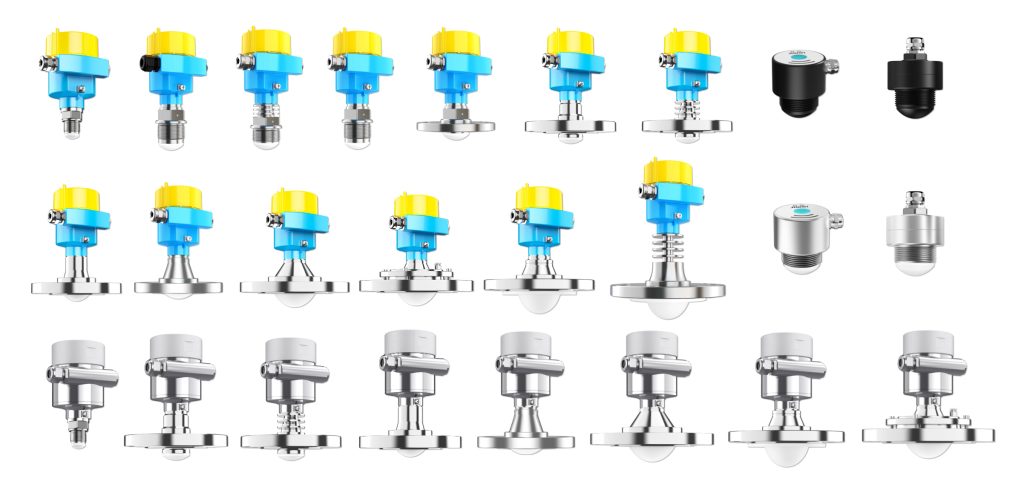
For example, the JWrada®-20 radar level meter is positioned as a simple, compact, and cost-effective 80GHz high-frequency radar product. It adopts a G3/4 threaded connection, has a maximum measuring range of up to 10 meters, provides accuracy up to ±1mm, supports 4–20mA/HART or RS485/Modbus output, and supports Bluetooth wireless commissioning. This product is suitable for hydrological and water affairs level measurement, open water pools, clean water tanks, drainage systems, urban waterlogging monitoring, and other scenarios.
The JWrada®-31 radar level meter also adopts 80GHz FMCW technology and is suitable for small-range liquid level measurement. It features high accuracy, non-contact measurement, maintenance-free operation, and Bluetooth commissioning. It can be used for container level monitoring in industries such as food, pharmaceuticals, energy, and water treatment. For make-up water tanks, chemical dosing tanks, constant-temperature water tanks, and small balance tanks in swimming venues, this compact radar level transmitter offers good adaptability.
The JWrada®-32 radar level meter is designed for more complex liquid and solid level measurement applications. With a maximum measuring range of up to 60 meters and accuracy up to ±1mm, it provides strong anti-interference capability and is suitable for complex working conditions involving high temperature, high pressure, steam, dust, and flammable or explosive environments. Although swimming pools themselves are relatively mild in terms of working conditions, stable and reliable radar level meters are also valuable in hot water systems, energy stations, chemical storage tanks, and wastewater treatment systems supporting large sports centers.
From the perspective of product functions, the core advantages of Jiwei’s JWrada series can be summarized in four aspects. First, 80GHz high-frequency radar measurement provides a concentrated beam and is suitable for installation in limited spaces. Second, non-contact measurement is not directly affected by water corrosion, chlorine environments, or floating objects. Third, built-in intelligent echo algorithms can identify false echoes and multi-layer echoes while dynamically tracking the target signal. Fourth, support for Bluetooth, HART, Modbus, and other communication methods makes it convenient to connect the instruments to PLC, SCADA, building automation systems, and smart venue management platforms.
4. Typical Applications of Radar Level Meters in Swimming Events
1. Continuous Water Level Monitoring in Competition Pools
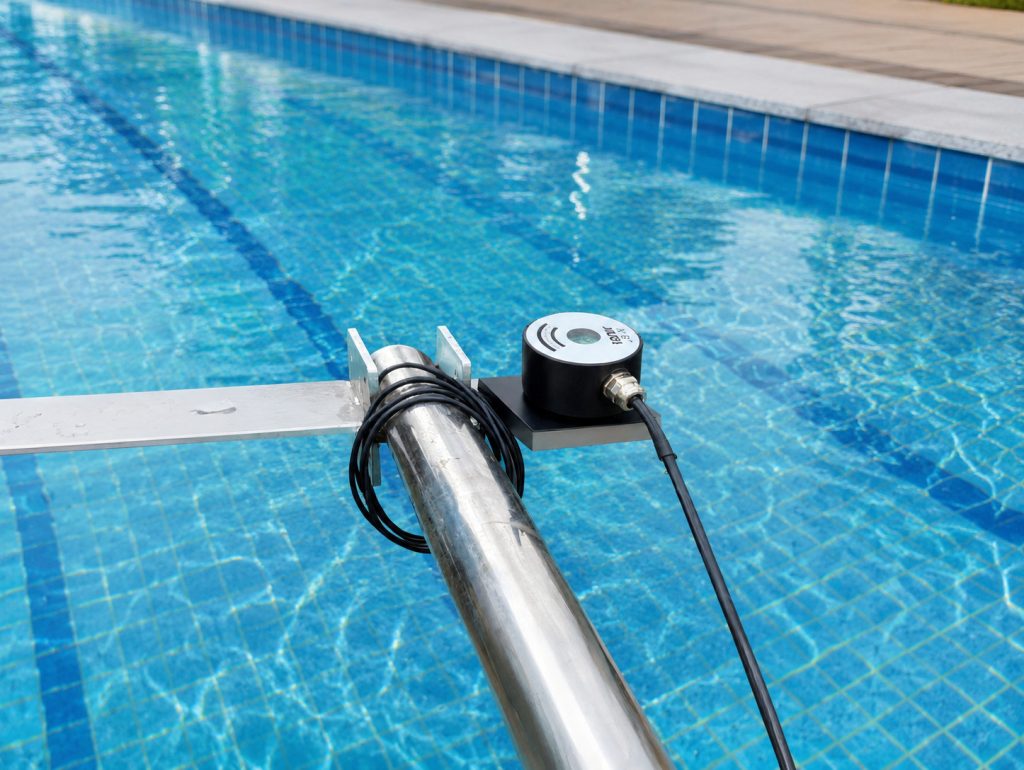
During swimming competitions, stable pool water level is one of the fundamental indicators of venue operation. A radar water level meter can be installed near the pool edge, around the overflow channel, or on a dedicated mounting bracket to continuously measure the water surface height. When the water level rises or falls abnormally, the system can be linked with make-up water valves, drainage valves, circulation pumps, or alarm systems to help operation and maintenance personnel respond promptly.
Compared with manual inspection, radar level transmitters can provide continuous data. They not only display the current water level, but also generate trend curves. Before an event, staff can use historical data to determine whether the pool has been properly filled. During the event, they can monitor water surface changes caused by frequent athlete activity. After the event, they can review water level trends together with the operating status of the water circulation system for further optimization.
2. Level Control in Overflow Channels and Balance Tanks
Standard swimming pools are usually equipped with overflow channels and balance tanks. When the pool water surface is disturbed by athletes or when the make-up water system starts, excess water enters the overflow channel and then returns to the balance tank. If the balance tank level is too low, circulation pumps may run dry. If the level is too high, overflow waste or even water accumulation in the equipment room may occur.
In such scenarios, radar level transmitters can be used for balance tank level monitoring, enabling high and low level alarms, automatic make-up water control, pump start-stop protection, and abnormal overflow warning. Since the instrument does not contact the water, it can reduce sensor contamination caused by disinfectants, scale, foam, or impurities in the water. For event venues, stable balance tank levels mean safer operation of the entire pool circulation system.
3. Warm-Up Pools, Training Pools, and Pre-Event Commissioning
Large swimming events often involve more than one competition pool. They may also include warm-up pools, training pools, relaxation pools, and recovery areas. Different areas have different water levels, temperatures, and circulation loads, making management more challenging. By using radar water level meters for multi-point monitoring, venues can centralize liquid level data from different pools on one control platform, enabling unified display, zone-based alarms, and remote maintenance.
For example, during pre-event commissioning, staff can use data from radar water level meters to calibrate make-up water, drainage, and circulating filtration systems for each pool. During peak competition periods, the platform can quickly identify abnormal water levels in a specific area, helping avoid disruption to athletes’ warm-up schedules. During closed maintenance periods, water level changes can help determine whether valve leakage, poor return flow, or abnormal make-up water conditions exist.
4. Outdoor Open-Water Events and Temporary Aquatic Facilities
In addition to indoor pools, open-water swimming, triathlon events, and temporary aquatic racecourses also require water level monitoring. Outdoor environments are affected by rainfall, waves, tides, flood discharge, water replenishment, and drainage, making water level changes more complex. Radar water level meters do not need to contact the water surface and can be installed on bridges, shore-side brackets, floating platforms, or monitoring poles for long-term continuous water level monitoring.
At present, 80GHz radar level transmitters have been widely used in liquid surface monitoring across many industries, including water affairs, environmental protection, chemical processing, food, energy, municipal drainage, wastewater treatment, and industrial storage tanks. Their non-contact measurement method eliminates the need for direct contact with the medium and helps reduce the influence of water vapor, foam, corrosive gases, temperature changes, and complex site environments, making them suitable for long-term continuous monitoring. Extending this mature level measurement technology to large-scale aquatic sports scenarios can provide event organizers with real-time water level data, abnormal level warnings, and operational status references, helping improve the safety management and event support capability of pools and aquatic venues.
5. Smart Venue Operation and Data-Based Management
Modern sports venues are placing increasing emphasis on smart operation. A radar level meter is not only a field instrument, but also part of a smart venue data system. Through 4–20mA, HART, RS485/Modbus, and other signal outputs, liquid level data can be connected to PLC control cabinets, building automation systems, energy management platforms, or event support command centers.
When water level data is combined with water temperature, residual chlorine, pH value, turbidity, circulation pump status, filter pressure difference, and other data, venues can achieve more refined operational management. For example, the system can automatically replenish water when the water level is below the set value, trigger drainage reminders when the balance tank level is too high, alert staff to possible pipeline blockage or valve abnormalities when the circulation pump is running but the water level does not change, and generate equipment inspection reports before an event to reduce the probability of sudden failures.
For venues hosting national or international competitions, stable data links and traceable operation records can significantly improve event support capabilities.
5. What Should Swimming Venues Consider When Selecting Radar Level Transmitters?
When selecting radar level meters for swimming events or natatorium projects, the configuration should be based on the specific measurement object. For open swimming pools or simple water level monitoring applications, compact, cost-effective, and easy-to-install radar water level meters can be prioritized, such as the JWrada®-20 radar level meter, which is suitable for water affairs and open water pool applications. For make-up water tanks, chemical dosing tanks, and small storage tanks, a compact, hygienic, and high-accuracy radar level transmitter such as the JWrada®-31 radar level meter can be selected. For projects involving large storage tanks, complex vessels, wastewater treatment, energy stations, or explosion-proof areas, higher-configuration products such as the JWrada®-32 radar level meter may be considered.
Several installation points should also be noted. The radar probe should be kept away from water inlets, strong water flow, agitation, and obstacles as much as possible. The measuring direction should be perpendicular to the water surface. Outdoor installation should take sun protection, rain protection, lightning protection, and bracket stability into account. If the instrument is installed above an overflow channel or narrow water tank, the beam angle and installation space should be confirmed. At the same time, the instrument output signal should be compatible with the on-site control system.
In event support scenarios, it is recommended to divide water level alarms into three levels: early warning, alarm, and linked control. For example, when the pool water level slightly deviates from the set value, the system only reminds operation and maintenance personnel to pay attention. When the deviation continues to expand, the system automatically links with make-up water or drainage equipment. When the abnormal water level reaches the safety threshold, audible and visual alarms are triggered and duty personnel are notified. This approach can avoid frequent false alarms while ensuring timely equipment response during competitions.
6. From Championship Breakthroughs to Technical Support: Radar Level Meters Make Pool Operation More Reliable
Zhang Yufei’s new championship record once again demonstrates the strength and resilience of Chinese swimmers. Every breakthrough made by athletes in the pool is supported by training systems, scientific research, and venue facilities. Although a swimming competition appears to take place only in the center of the pool, it is actually the result of a complex system working together.
The value of radar level meters in swimming events lies precisely in the critical details that are often unseen. They do not directly determine an athlete’s speed, but they help the venue maintain a stable water level. They do not appear on the podium, but they help ensure the safe operation of balance tanks, overflow systems, make-up water systems, and water circulation systems. They do not change competition rules, but they help make the competition environment more stable, fair, and controllable.
With the acceleration of smart sports venue construction, pool water level monitoring will no longer rely solely on manual judgment. It will gradually move toward digitalization, automation, and intelligence. Represented by Jiwei’s JWrada series, 80GHz radar level transmitters, radar water level meters, and radar level meters offer high accuracy, non-contact measurement, low maintenance, easy system integration, and Bluetooth commissioning support. They can provide reliable level measurement solutions for natatoriums, sports centers, aquatic sports bases, open-water competitions, and smart water systems.
In the future, whether for high-level competitive events such as the National Swimming Championships, daily training venues, school swimming pools, or urban sports centers, stable water level monitoring will become an important part of ensuring safety, improving user experience, and reducing operation and maintenance costs. The birth of a champion requires speed, but it also requires stability. It requires the dedication of athletes, as well as the support of technology. Radar level meters are one of the key technologies behind modern swimming events that deserve attention.