
1. Why Do Level Switches Need Protective Coatings?
In industries such as chemical processing, food and beverage, pharmaceuticals, new energy, power generation, and environmental water treatment, level switches often come into direct contact with complex process media. Some media are highly corrosive, some operate at elevated temperatures, and others are viscous, crystallizing, or prone to material buildup. Without proper protection on the probe or wetted parts, a level switch may suffer from corrosion, scaling, coating damage, false alarms, or complete instrument failure after long-term operation.
Once a level switch fails, it can affect the accuracy of level detection and may lead to pump dry running, tank overflow, interlock failure, or production shutdown. Therefore, during instrument selection, users should not only consider measuring range, process connection, power supply, output signal, and explosion-proof rating, but also carefully evaluate the material and protective coating of the wetted parts.
The function of a protective coating is not limited to corrosion isolation. In actual applications, a high-quality coating can also improve temperature resistance, reduce material adhesion, make cleaning easier, and enhance long-term operating stability. For acidic or alkaline solutions, salt solutions, lithium battery slurry, high-sugar liquids, fermentation broth, cleaning agents, and chlorine-containing media, choosing the right coating can significantly extend instrument life, reduce maintenance frequency, and lower shutdown risks.
Common protective coatings for level switches include enamel coating, ECTFE coating, and PFA coating. These coatings differ in corrosion resistance, temperature resistance, manufacturing difficulty, cost, and suitable applications. Selection should not be based on a single parameter. Instead, it should take into account medium composition, temperature, pressure, concentration, cleaning method, and expected service life.
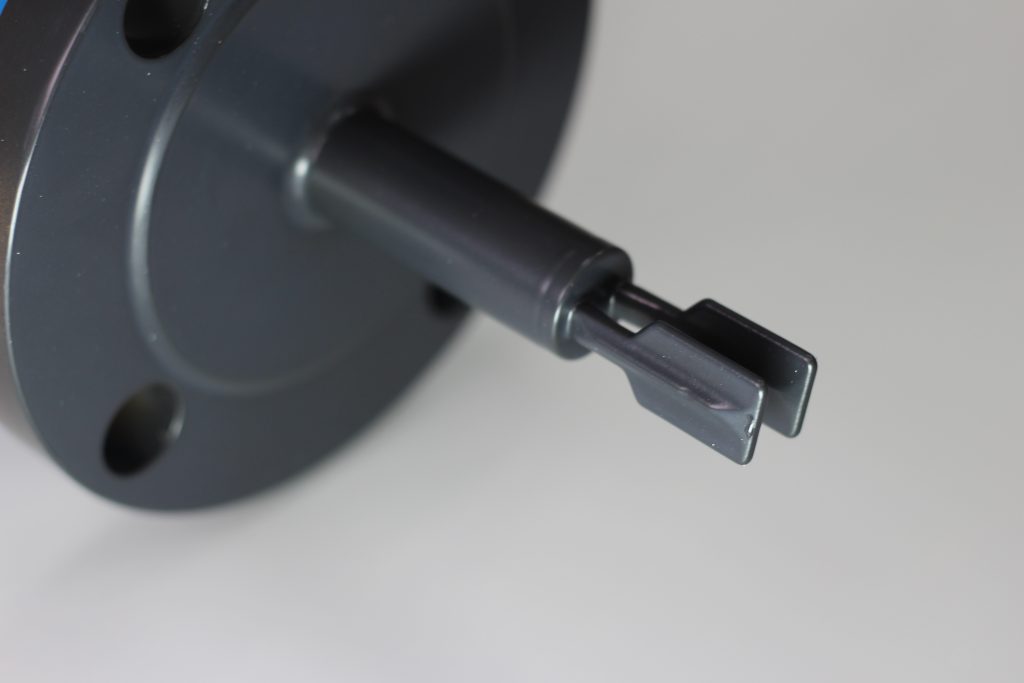
2. Common Types of Protective Coatings for Level Switches
2.1 Enamel Coating: Suitable for High-Temperature, Corrosive, and Easy-Cleaning Applications
Enamel coating, also known as glass-lined coating, is formed by firing a dense protective layer onto a metal substrate at high temperature. It has a smooth surface, high hardness, good corrosion resistance, and excellent temperature resistance. It is widely used in chemical, food, pharmaceutical, and other industrial applications.
The first major advantage of enamel coating is its corrosion resistance. For many acids, alkalis, and salt solutions, the enamel layer forms a stable barrier that reduces direct contact between the medium and the metal substrate, thereby lowering the risk of corrosion. In addition, the surface of enamel coating is smooth and less likely to retain material, making it suitable for applications involving buildup, crystallization, or hygienic cleaning requirements. In food and beverage processes involving syrup, wort, fermentation broth, or dairy products, a smooth surface helps reduce residue and makes cleaning easier.
In terms of temperature resistance, enamel coating can usually handle relatively high-temperature conditions. It is suitable for hot liquids, steam environments, and processes involving thermal cycling. However, enamel coating requires strict manufacturing control. The firing process, coating uniformity, edge treatment, and thickness control all affect final performance. If the manufacturing process is not properly controlled, pinholes, microcracks, or weak areas may occur.
Therefore, when selecting an enamel-coated level switch, users should pay attention to the manufacturer’s coating process, coating integrity testing, and practical application experience.
Overall, enamel coating is suitable for applications that require corrosion resistance, temperature resistance, and easy cleaning, especially in chemical storage tanks, food and beverage tanks, cleaning systems, and some high-temperature media.
2.2 ECTFE Coating: Suitable for Medium- and Low-Temperature, Light to Moderate Corrosion Conditions
ECTFE, or ethylene chlorotrifluoroethylene, is a fluoropolymer material with good chemical resistance and processing adaptability. Compared with PFA, ECTFE has a relatively lower processing temperature, lower manufacturing difficulty, and better cost control. As a result, it provides a cost-effective solution for room-temperature or medium- to low-temperature corrosive environments.
ECTFE coating is suitable for level detection applications where acid or alkali concentration is not high, temperature is moderate, and corrosion is light to moderate. Typical examples include room-temperature chemical tanks, water treatment chemical tanks, cleaning liquid tanks, and some food production lines. ECTFE coating can effectively isolate the metal probe from corrosive media while maintaining a relatively smooth surface, helping reduce material adhesion and scaling.
However, ECTFE coating is not suitable for every process condition. Its continuous operating temperature is generally lower than that of PFA. In environments involving high-temperature strong acids, high-temperature strong alkalis, high chloride content, or long-term heavy-duty operation, ECTFE should be used with caution. If the medium temperature remains high for long periods, or if the site involves frequent steam cleaning, strong oxidizing media, or severe temperature fluctuations, ECTFE coating alone may not provide sufficient long-term stability.
Therefore, ECTFE coating is more suitable as an economical corrosion-resistant option. When the process temperature is relatively low, the corrosiveness of the medium is manageable, and budget is an important consideration, ECTFE can offer a good balance between performance and cost.
2.3 PFA Coating: Suitable for Strong Corrosion, High Temperature, and High-Reliability Applications
PFA, or perfluoroalkoxy polymer, is a high-performance fluoropolymer with excellent corrosion resistance, temperature resistance, and chemical stability. In protective coatings for level switches, PFA is typically used in more demanding applications, such as strong acids, strong alkalis, high-temperature solutions, chlorine-containing media, organic solvents, lithium battery slurry, and continuous production systems that require high reliability.
The biggest advantage of PFA coating is its strong chemical resistance. For many corrosive environments where ordinary metal materials cannot withstand long-term exposure, PFA provides a more reliable isolation layer. At the same time, PFA offers good temperature resistance, making it suitable for high-temperature media or process conditions with significant temperature fluctuations. For production systems that require continuous long-term operation, PFA coating can help reduce the risk of corrosion penetration, probe failure, and false alarms.
In the new energy industry, PFA-coated level switches are often used for lithium battery slurry, precursor materials, acid and alkali cleaning liquids, and similar media. These media often combine corrosiveness, adhesion, and certain abrasive characteristics, placing higher demands on the surface protection of level switches. With its corrosion resistance, anti-adhesion properties, and good toughness, PFA coating can improve instrument stability in complex slurry applications.
Of course, PFA coating is more complex to manufacture. It requires higher sintering temperatures and stricter control of substrate pretreatment, coating thickness, adhesion, and surface integrity. As a result, its cost is usually higher than that of ECTFE coating. For ordinary room-temperature, mildly corrosive applications, PFA may be considered over-specified. However, for high-temperature, strongly corrosive, or high-shutdown-cost applications, PFA is often the safer and more reliable choice.
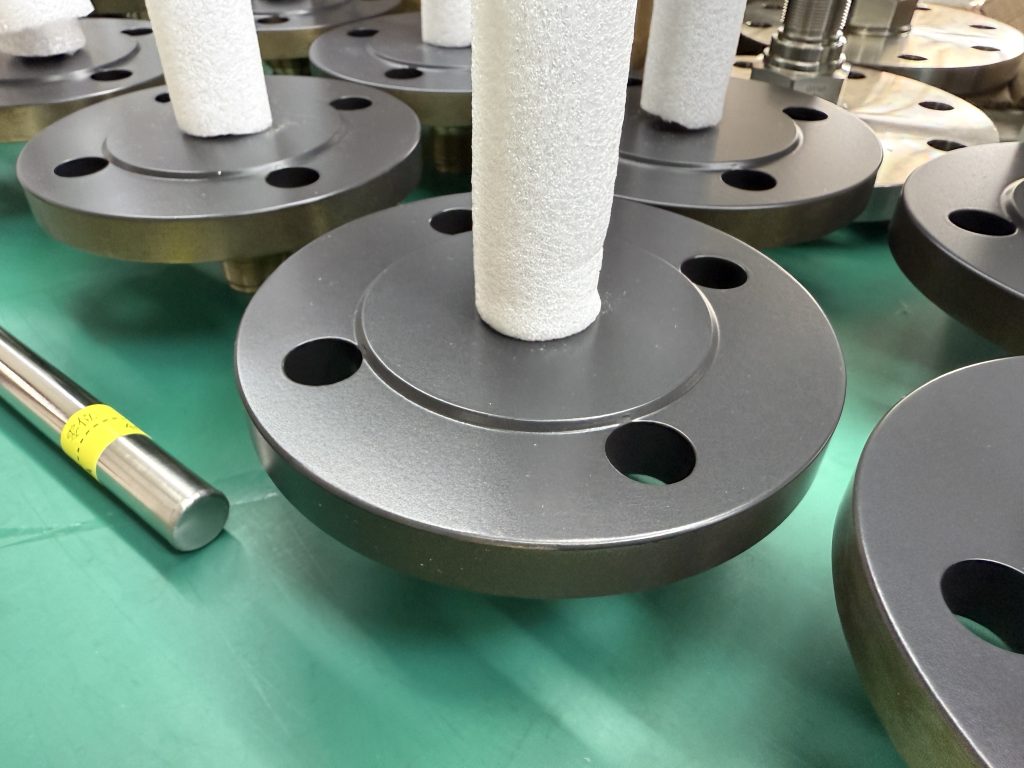
3. How Do These Three Protective Coatings Compare?
From a performance perspective, enamel, ECTFE, and PFA coatings each have their own advantages. No single coating is suitable for every application.
Enamel coating features a smooth surface, good corrosion resistance, and strong temperature resistance. It is suitable for high-temperature media, food and beverage processes, pharmaceutical applications, and some chemical environments. Its strengths are cleanability and long-term stability, but it requires a high level of manufacturing quality.
ECTFE coating provides good corrosion resistance, easier processing, and moderate cost. It is suitable for room-temperature or medium- to low-temperature media with light to moderate corrosion. Its main advantage is cost-effectiveness, but it should not be the first choice for high-temperature or strongly corrosive conditions.
PFA coating offers excellent corrosion resistance and temperature resistance, making it suitable for demanding applications. It is commonly used for strong acids, strong alkalis, high-temperature media, new energy slurry, and long-term continuous operation systems. However, its cost and manufacturing difficulty are relatively higher.
In simple terms: for room-temperature and mildly corrosive media, ECTFE is often a practical option; for high-temperature or hygienic cleaning requirements, enamel coating is worth considering; for strong corrosion, high temperature, and high-reliability applications, PFA is usually the better choice.
4. Key Factors in Selecting Protective Coatings for Level Switches
4.1 Medium Composition and Corrosiveness
Medium composition is the first factor to consider when selecting a coating. Different acids, alkalis, salts, organic solvents, and oxidizing substances affect coatings in different ways. Even for the same acidic medium, concentration, temperature, and impurity content can lead to significant differences in corrosion intensity.
Before selecting a level switch coating, users should provide as much process information as possible, including medium name, concentration, pH value, chloride content, and whether the medium contains solid particles.
4.2 Operating Temperature and Temperature Fluctuations
Temperature has a major impact on coating service life. A material that performs well at room temperature may soften, age, lose adhesion, or show reduced corrosion resistance at higher temperatures. If the site involves steam cleaning, CIP cleaning, thermal cycling, or process heating, selection should be based on both the maximum temperature and the long-term operating temperature, not only the normal operating temperature.
4.3 Medium Viscosity and Buildup Tendency
For media such as syrup, wort, emulsions, sludge, slurry, resin, and crystallizing liquids, the surface smoothness and anti-adhesion properties of the coating are very important. Material buildup may affect the response of the level switch and cause false alarms or delayed switching. For these applications, coatings with smoother surfaces, lower adhesion, and easier cleaning should be prioritized.
4.4 Pressure, Flow Rate, and Mechanical Impact
Although protective coatings are mainly used to solve corrosion and buildup problems, pressure, flow rate, agitation impact, and particle abrasion can also affect coating life. If the tank contains agitators, strong flow impact, or abrasive particles, users should also consider coating toughness, coating thickness, and installation position. The probe should not be installed where it is continuously exposed to direct impact or severe abrasion.
4.5 Industry Standards and Hygienic Requirements
Food, beverage, and pharmaceutical industries often have strict requirements for cleaning, residue control, and hygiene. These applications should use coating solutions with smooth surfaces, easy cleaning, and low material retention. Chemical and new energy industries, on the other hand, usually focus more on corrosion resistance, temperature resistance, and long-term reliability. Different industries have different priorities, so coating selection should be based on both industry requirements and actual maintenance practices.
5. Typical Industry Application Recommendations
5.1 Chemical Industry
Chemical processes often involve complex media, including strong acids, strong alkalis, salt solutions, organic solvents, and high-temperature liquids. For tanks containing highly corrosive or high-temperature media, PFA-coated or enamel-coated level switches are recommended. For room-temperature and mildly corrosive media, ECTFE coating can also be selected to reduce procurement cost.
5.2 Food and Beverage Industry
Common media in the food and beverage industry include wort, syrup, dairy products, fermentation broth, and cleaning liquids. The key requirements are anti-buildup performance, easy cleaning, and stable detection. Enamel coating has a smooth surface and is suitable for applications with high cleanliness requirements. ECTFE coating can also be used in some medium- to low-temperature and mildly corrosive conditions.
5.3 New Energy Industry
Lithium battery materials, precursor slurry, and related cleaning liquids often have corrosive, adhesive, and mildly abrasive characteristics. For these applications, PFA-coated level switches are generally recommended to improve corrosion resistance and anti-adhesion performance while reducing false alarms and maintenance frequency.
5.4 Environmental Water Treatment Industry
Environmental water treatment systems often involve acid and alkali chemicals, flocculants, wastewater, sludge, and saline wastewater. If the medium temperature is not high and the corrosion level is moderate, ECTFE coating offers good cost performance. If strong corrosion or high-temperature cleaning is involved, PFA or enamel coating should be considered.
6. Installation and Maintenance Tips
Even when the correct protective coating is selected, stable operation of the level switch still depends on proper installation and regular maintenance. During installation, the probe should be positioned away from inlet points, strong agitation zones, and areas exposed to direct impact from solid particles. This helps prevent abnormal mechanical wear on the coating.
For media that crystallize or cause buildup, a suitable cleaning schedule should be established based on actual operating conditions. The probe surface should be inspected regularly for deposits or coating damage.
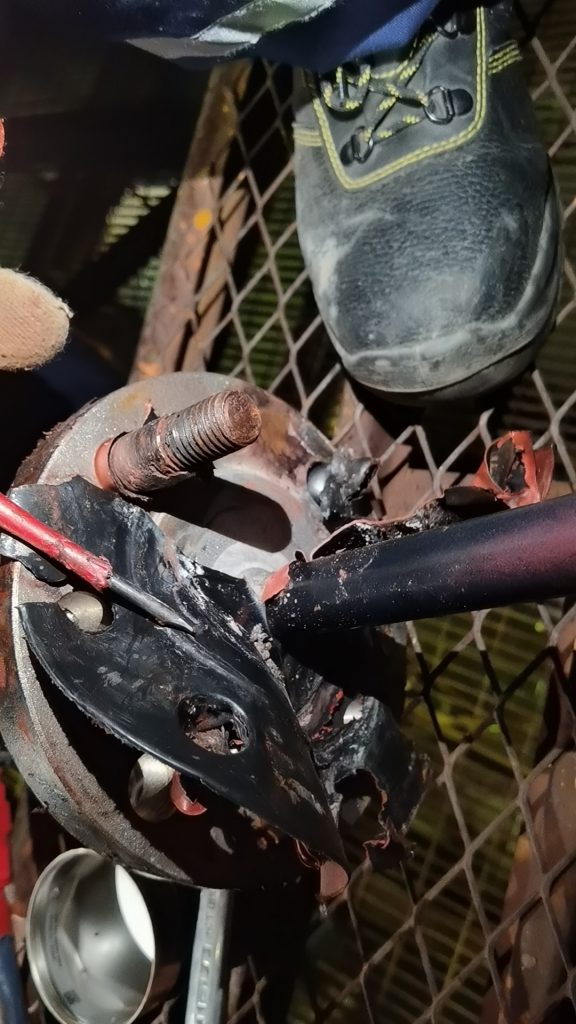
During maintenance, sharp metal tools should not be used to scrape the coating surface, as this may damage the protective layer. Cleaning agents and cleaning temperatures should be selected according to the coating material to avoid premature aging or damage. If cracking, peeling, blistering, or obvious wear is found on the coating, the instrument should be inspected immediately and replaced if necessary.
In addition, users should provide complete process information to the manufacturer during procurement and selection. This includes medium name, concentration, temperature, pressure, installation method, explosion-proof requirements, CIP cleaning conditions, and whether agitation or abrasion is present. The more complete the information, the more accurate the coating recommendation will be, and the lower the risk during later operation.
7. Conclusion: The Right Protective Coating Makes Level Switches More Reliable
Level switches are important components in industrial automation and process control. The protective coating directly determines whether the instrument can operate stably in complex media over the long term. Enamel, ECTFE, and PFA coatings each have different characteristics. Enamel coating is suitable for high-temperature, corrosive, and easy-cleaning applications. ECTFE coating is suitable for medium- and low-temperature conditions with light to moderate corrosion. PFA coating is more suitable for strong corrosion, high temperature, and high-reliability applications.
In actual selection, users should not focus only on the coating name or price. Instead, they should evaluate medium composition, temperature, pressure, viscosity, cleaning method, industry requirements, and expected operating life. For general room-temperature and mildly corrosive environments, ECTFE coating offers good cost performance. For food, pharmaceutical, and high-temperature cleaning applications, enamel coating is worth considering. For chemical, new energy, and highly corrosive media, PFA coating is usually more reliable.
Choosing the right protective coating for a level switch can extend instrument life, reduce maintenance costs, lower false alarm rates, and help ensure production continuity and equipment safety. For industrial sites involving long-term operation, high shutdown costs, or complex media conditions, coating selection should be treated as a key part of level switch selection, not as a final optional add-on.
FAQ: Common Questions About Protective Coatings for Level Switches
1. Does every level switch need a protective coating?
No. For simple applications such as clean water or non-corrosive liquids at room temperature, a suitable metal material may be enough. However, if the medium is corrosive, high-temperature, sticky, or requires frequent cleaning, a coated level switch is recommended. Level Switches Protective Coatings
2. What is the difference between ECTFE coating and PFA coating?
ECTFE coating is suitable for medium- and low-temperature applications with light to moderate corrosion, and its cost is relatively lower. PFA coating provides stronger corrosion and temperature resistance, making it suitable for highly corrosive, high-temperature, and high-reliability applications. Protective Coatings Protective Coatings
3. Which coating is suitable for the food industry?
The food industry usually requires smooth surfaces, easy cleaning, and low material buildup. Enamel coating and certain ECTFE coatings can be selected depending on temperature, medium viscosity, and cleaning method.
4. Which coating is recommended for strong acids and strong alkalis?
For strong acids, strong alkalis, or high-temperature corrosive environments, PFA coating or enamel coating is generally recommended. The final choice should be confirmed based on medium concentration, temperature, and expected operating conditions. Level Switches
5. Will a protective coating affect the sensitivity of a level switch?
A properly designed coating usually does not affect normal level switch operation. However, if the coating thickness, adhesion, or surface treatment is not well controlled, detection stability may be affected. Therefore, it is important to choose a manufacturer with mature coating technology and proven application experience.