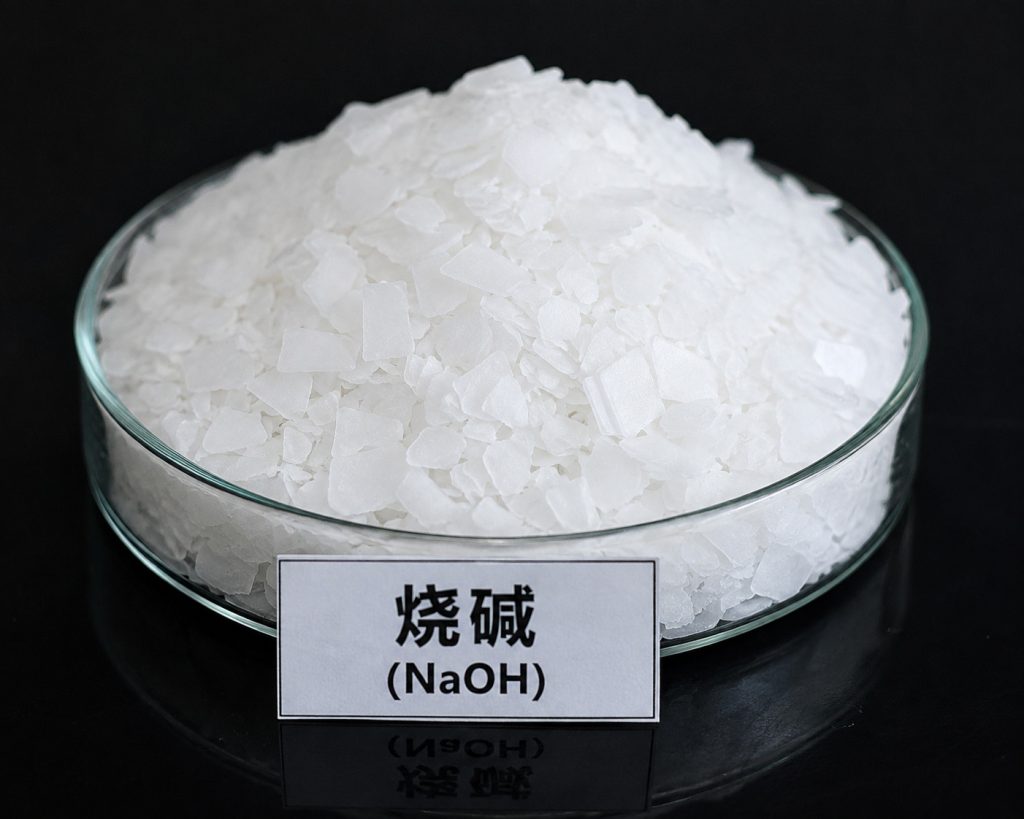
Caustic soda (sodium hydroxide, NaOH) is widely used in industries such as chemicals, pulp and paper, textile dyeing and finishing, water treatment, food processing, and new energy materials. In these applications, caustic soda tank level measurement is essential for maintaining process efficiency, operational safety, and environmental compliance.
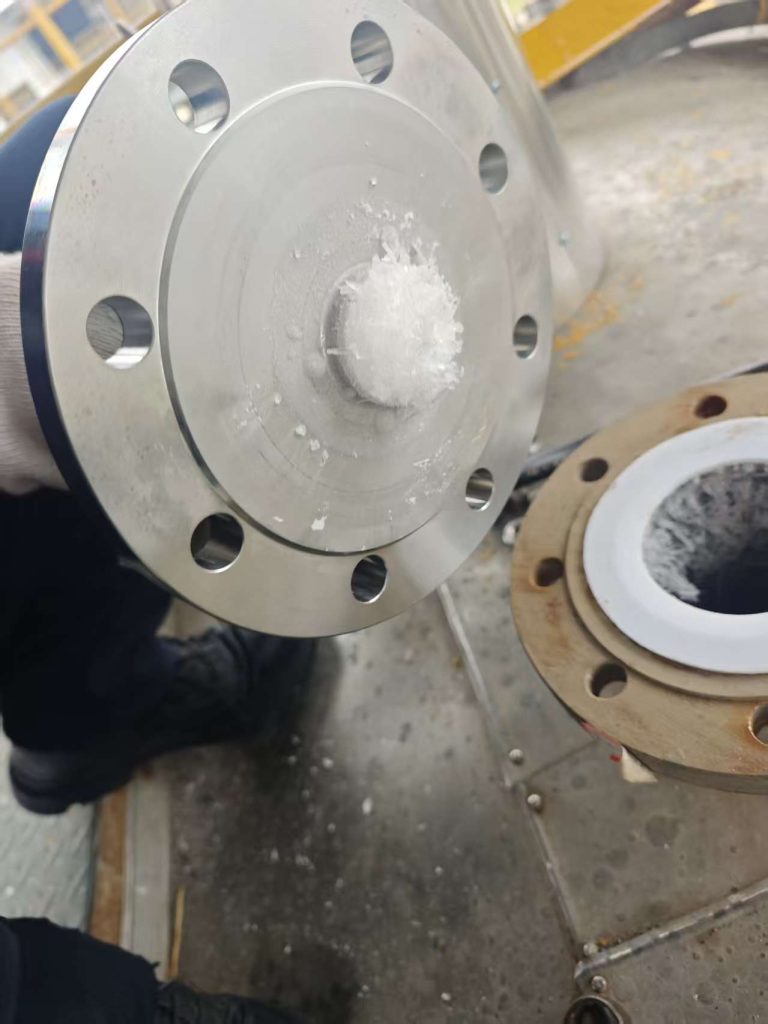
Because sodium hydroxide is highly corrosive, it can also crystallize under low-temperature conditions, at high concentrations, or when localized evaporation occurs. These characteristics present significant challenges for level gauges, level switches, and safety interlock systems. Choosing the wrong level measurement technology may result in probe buildup, blocked impulse lines, stuck floats, unstable level readings, or false high- and low-level alarms.
This article explains why crystallization affects caustic soda level measurement and how to select the most suitable level instruments for reliable operation.
Why Does Crystallization Affect Caustic Soda Tank Level Measurement?
Caustic soda solution is highly hygroscopic and strongly alkaline. Its physical properties vary significantly with concentration. High-concentration sodium hydroxide solutions are more likely to crystallize as the temperature decreases.
Crystals typically accumulate in areas such as:
- Tank roof nozzles
- Impulse lines
- Probe surfaces
- Isolation valves
- Dead zones within installation fittings
Once crystallization occurs, it can interfere with level measurement accuracy. Typical issues include:
- Product buildup on guided wave radar probes causing unstable echoes
- Blocked pressure taps on hydrostatic or differential pressure level transmitters
- Sticking floats in magnetic level gauges
- False alarms from conductive electrode level switches
Therefore, selecting a caustic soda level gauge requires more than corrosion resistance. The instrument should also minimize the risk of product buildup, blockage, and difficult maintenance.
Which Level Gauge Is Best for Caustic Soda Storage Tanks?
Non-Contact Radar Level Transmitters
For continuous level measurement, non-contact radar level transmitters are among the most widely recommended solutions.
Since the radar antenna is installed on the top of the tank without contacting the liquid, it minimizes the effects of corrosion, crystallization, and product buildup.
Key advantages include:
- No direct contact with sodium hydroxide
- Reduced maintenance requirements
- High measurement stability
- Suitable for atmospheric and low-pressure storage tanks
Compared with ultrasonic level transmitters, radar technology is less affected by temperature fluctuations, vapors, condensation, or changes in gas composition, making it ideal for chemical storage tanks, caustic soda tanks, and wastewater tanks.
Where corrosive vapors or condensate are present, corrosion-resistant radar transmitters with chemically resistant antenna materials and sealing structures should be selected.
Contact-Type Level Instruments
Common contact-type level instruments include:
- Guided wave radar level transmitters
- Differential pressure level transmitters
- Hydrostatic level transmitters
- Magnetic level gauges
Although these technologies are suitable for certain applications, they are generally more susceptible to crystallization in high-concentration caustic soda service.
When contact-type instruments are unavoidable, additional measures such as tank insulation, heat tracing, flushing systems, and routine cleaning should be considered to maintain reliable performance.
How to Reduce the Impact of Crystallization on Level Measurement
Reliable caustic soda level measurement can be achieved through proper instrument selection, installation, and process design.
Select Instruments with Simple Structures
Whenever possible, use non-contact level measurement technologies for continuous monitoring. For point level detection, choose level switches with simple designs and minimal areas where crystals can accumulate.
Optimize Installation Location
Avoid mounting instruments near:
- Filling inlets
- Agitators
- Foam layers
- Areas where crystallization is likely to occur
Installation nozzles should also be kept as short and wide as practical to prevent condensate or crystal buildup that could interfere with radar signals or switch operation.
Improve Temperature Control
For high-concentration sodium hydroxide or cold operating environments, consider:
- Tank insulation
- Heat tracing
- Nozzle insulation
- Heated impulse lines
Regular flushing of impulse lines, bypass chambers, and pressure connections can also help prevent blockage caused by crystal formation.
Why Are Level Switches Important for Caustic Soda Tanks?
While continuous level transmitters provide real-time level monitoring, level switches are essential for safety alarms and automatic process interlocks.
Typical applications include:
- High-level alarm
- High-high level overfill protection
- Low-level alarm
- Low-low level pump shutdown
- Leak detection
During tank filling, a high-high level switch can send a signal to the PLC, DCS, or SIS to automatically stop the transfer pump or close the inlet valve, preventing hazardous caustic soda overflow.
During tank discharge, a low-level switch can stop the pump before dry running occurs, protecting pumps and mechanical seals.
Leak detection switches can also be installed in containment areas, collection sumps, or drainage channels to trigger alarms and emergency shutdowns if caustic soda leakage occurs.
Key Considerations When Selecting a Caustic Soda Level Gauge
When selecting level instruments for sodium hydroxide storage tanks, consider the following factors:
- Sodium hydroxide concentration
- Process temperature
- Tank height
- Tank material
- Insulation or heat tracing requirements
- Crystallization or wall buildup
- Nozzle size
- Hazardous area classification
- Integration with PLC, DCS, or SIS
Evaluating these factors helps improve measurement reliability while reducing maintenance costs.
Advantages of Fork Level Switches in Caustic Soda Applications
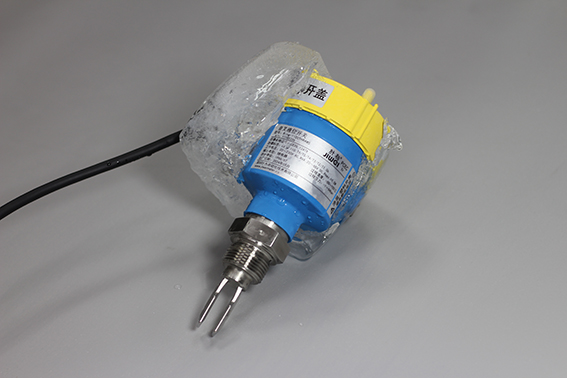
Vibrating fork level switches are widely used for high- and low-level alarms, overfill protection, pump protection, and leak detection in caustic soda storage tanks.
These switches operate by detecting changes in the vibration frequency of the tuning fork when it is immersed in liquid. Their performance is independent of liquid color, transparency, conductivity, or dielectric constant, providing fast response and reliable switching.
For corrosive and crystallizing media such as sodium hydroxide, suitable wetted materials, process connections, and sealing configurations can be selected according to the application requirements.
When used together with radar level transmitters, vibrating fork level switches provide dependable discrete signals for PLC, DCS, and SIS systems, enabling reliable overfill protection, low-level pump shutdown, and emergency safety interlocks.
For example, Jiwei vibrating fork level switches offer stable switching performance, easy installation, and reliable operation, making them well suited for critical safety applications involving caustic soda storage.
Conclusion
Reliable caustic soda tank level measurement requires addressing both corrosion resistance and crystallization challenges.
For continuous measurement, non-contact radar level transmitters are generally the preferred solution because they minimize product buildup and maintenance. For critical alarm and safety interlock applications, corrosion-resistant vibrating fork level switches provide dependable point level detection.
By combining the appropriate level measurement technology with proper installation, insulation, heat tracing, and preventive maintenance, facilities can significantly reduce crystallization-related failures, improve measurement accuracy, and ensure safe, reliable operation of caustic soda storage tanks.