
Industrial automation continues to drive advancements in level measurement technology. Among the various measurement solutions available today, radar level Meters have become the preferred choice for industries such as oil & gas, chemical processing, food & beverage, pharmaceuticals, power generation, mining, and water treatment due to their non-contact measurement, high accuracy, and low maintenance requirements.
At the heart of every radar level transmitter is the antenna, the component responsible for transmitting and receiving microwave signals. The antenna directly affects measurement accuracy, signal quality, and long-term reliability.
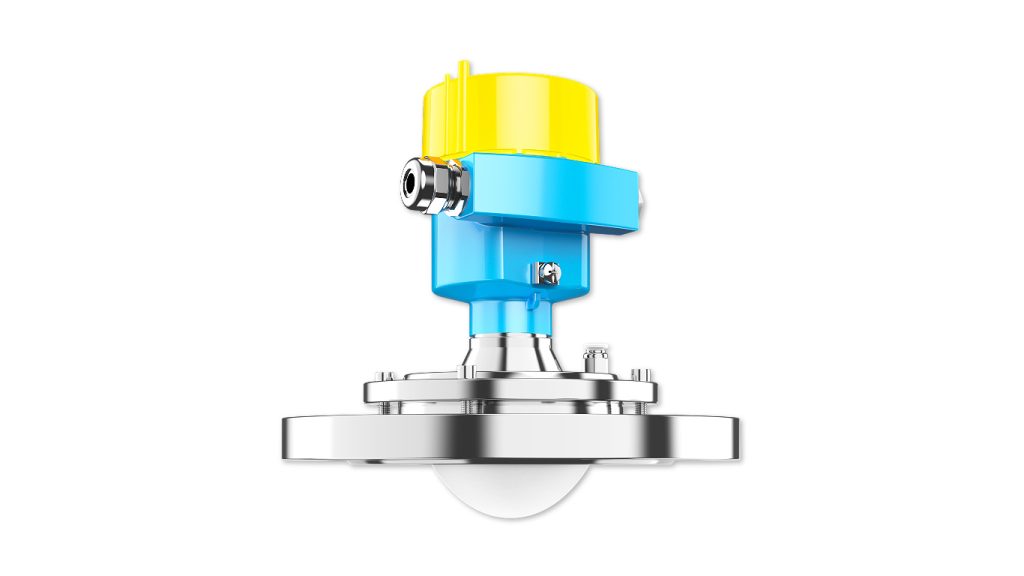
In recent years, PEEK (Polyether Ether Ketone) has increasingly replaced conventional materials such as stainless steel, PTFE, and standard engineering plastics in high-performance radar antennas. Thanks to its outstanding dielectric properties, excellent dimensional stability, superior chemical resistance, and exceptional mechanical strength, PEEK has become the preferred material for modern 80GHz radar level meters.
This article explains why PEEK plays such a critical role in radar antenna design and why leading manufacturers are adopting PEEK for next-generation radar level measurement solutions.
What Is PEEK Material?
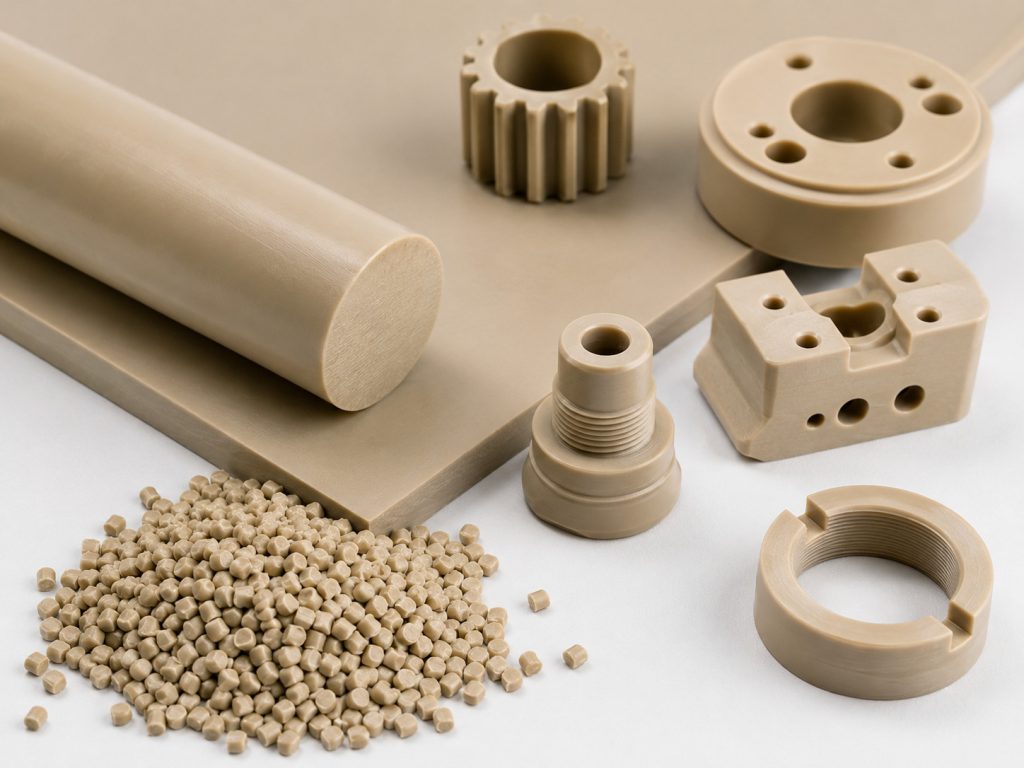
PEEK (Polyether Ether Ketone) is a semi-crystalline high-performance thermoplastic widely recognized for its exceptional combination of mechanical, thermal, electrical, and chemical properties.
Originally developed for aerospace and automotive applications, PEEK is now extensively used in:
- Aerospace
- Medical devices
- Semiconductor manufacturing
- Automotive engineering
- Industrial automation
- Precision instrumentation
Key characteristics of PEEK include:
- Low dielectric loss
- Stable dielectric constant
- High mechanical strength
- Excellent wear resistance
- Outstanding chemical resistance
- Long-term high-temperature stability
- Low moisture absorption
- Excellent dimensional stability
- High precision machinability
These characteristics make PEEK one of the most suitable materials for manufacturing radar level transmitter antennas.
Why Is the Antenna So Important in a Radar Level Meter?
Radar level meters determine the distance to the product surface by transmitting microwave signals and analyzing the reflected echoes.
The antenna performs three critical functions:
- Transmitting microwave signals
- Receiving reflected echoes
- Focusing and directing the radar beam
The antenna material directly influences:
- Signal transmission efficiency
- Echo strength
- Beam angle
- Measurement accuracy
- Long-term stability
If the antenna material cannot maintain consistent electrical and mechanical performance, signal attenuation, reduced echo quality, and measurement errors may occur.
Selecting the right antenna material is therefore essential for achieving reliable radar level measurement.
Six Key Advantages of PEEK Radar Antennas
1. Excellent Dielectric Performance
One of the most important properties for radar antennas is dielectric performance.
PEEK offers:
- Stable dielectric constant
- Very low dielectric loss
- Minimal microwave attenuation
For 80GHz radar meters, these advantages provide:
- Higher signal efficiency
- Stronger echo signals
- Longer measuring distances
- Improved measurement accuracy
Unlike many conventional engineering plastics, PEEK maintains consistent electrical performance even under changing temperatures.
2. Outstanding High-Temperature Resistance
Industrial applications often involve elevated process temperatures, including:
- Chemical reactors
- Asphalt storage tanks
- Steam vessels
- Thermal oil systems
PEEK offers continuous service temperatures of approximately 250°C, while maintaining its:
- Mechanical strength
- Electrical properties
- Dimensional stability
- Structural integrity
This makes PEEK ideal for high-temperature radar level measurement.
3. Superior Chemical Resistance
Radar level transmitters are frequently exposed to aggressive chemicals such as:
- Sulfuric acid
- Hydrochloric acid
- Sodium hydroxide
- Organic solvents
- Corrosive process liquids
PEEK provides exceptional resistance to most industrial chemicals.
Compared with metal antennas, PEEK:
- Does not corrode
- Does not rust
- Resists chemical attack
- Maintains long-term performance
This significantly extends equipment service life.
4. Exceptional Mechanical Strength
PEEK exhibits mechanical properties approaching those of certain metals.
Advantages include:
- High tensile strength
- Excellent impact resistance
- Superior fatigue resistance
- Outstanding rigidity
These properties help radar antennas withstand vibration, transportation, installation, and harsh industrial environments without deformation.
5. Excellent Dimensional Stability
Modern 80GHz radar antennas require extremely precise manufacturing tolerances.
PEEK features:
- Low thermal expansion
- High dimensional stability
- Minimal deformation over time
This ensures:
- Stable beam focusing
- Consistent measurement accuracy
- Excellent repeatability
- Reduced maintenance requirements
6. Ideal for High-Frequency Millimeter-Wave Radar
As radar technology evolves toward 120GHz and higher frequencies, material performance becomes increasingly critical.
PEEK supports:
- Stable high-frequency signal transmission
- Precision machining
- Complex antenna geometries
- Long-term electrical stability
These qualities make PEEK one of the most promising materials for future millimeter-wave radar systems.
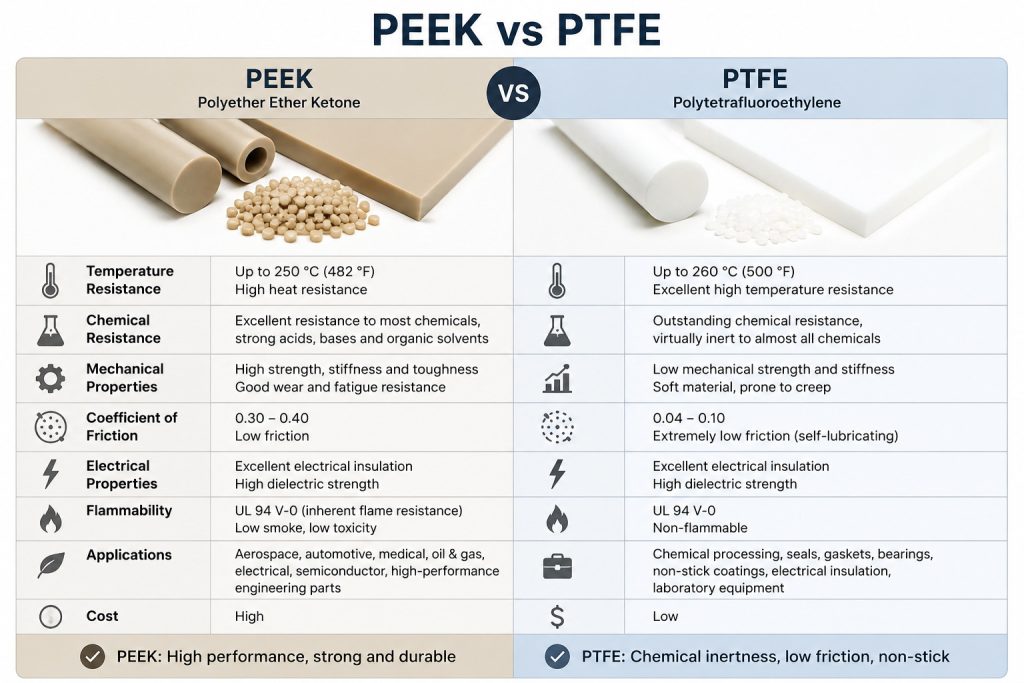
PEEK vs PTFE: Which Is Better for Radar Antennas?
| Property | PEEK | PTFE |
|---|---|---|
| Mechanical Strength | Excellent | Moderate |
| Rigidity | Excellent | Low |
| High-Frequency Stability | Excellent | Very Good |
| Dimensional Stability | Excellent | Moderate |
| Chemical Resistance | Excellent | Outstanding |
| Machining Precision | Excellent | Good |
| Service Life | Excellent | Very Good |
For applications involving:
- High temperatures
- High pressures
- High-frequency radar
- Harsh industrial environments
- 80GHz radar level meters
PEEK generally provides superior overall performance.
Applications of PEEK Radar Level Meters
PEEK antenna technology is widely used across numerous industries.
Oil & Gas
- Crude oil storage tanks
- Refined fuel tanks
- LPG storage
- Chemical reactors
Food & Beverage
- Dairy tanks
- Brewing vessels
- Beverage production
- Syrup storage
Pharmaceutical Industry
- Sterile tanks
- CIP/SIP systems
- Pharmaceutical reactors
Water & Wastewater
- Chemical dosing tanks
- Wastewater treatment
- Corrosive liquid storage
Power Generation
- Flue gas desulfurization systems
- Boiler feedwater tanks
- Slurry tanks
How to Choose a High-Quality PEEK Radar Level Meter
When selecting a radar level transmitter, consider:
- Virgin PEEK material
- Precision antenna machining
- Operating frequency (26GHz or 80GHz)
- Temperature rating
- Pressure rating
- IP protection level
- Explosion-proof certifications
- Communication protocols (4–20mA, HART, Modbus, etc.)
- Manufacturer’s engineering expertise and application experience
Why Is PEEK Becoming the Standard for 80GHz Radar?
Several factors are driving industry adoption:
- Higher frequencies require lower dielectric loss.
- Narrow beam angles demand greater machining precision.
- High-temperature processes require dimensional stability.
- Industrial automation demands longer service life.
- Lower maintenance costs improve total cost of ownership.
As a result, PEEK has become the preferred antenna material for premium radar level transmitters.
Frequently Asked Questions (FAQ)
Why is PEEK better than standard plastics for radar antennas?
PEEK offers lower dielectric loss, higher mechanical strength, greater temperature resistance, and superior dimensional stability, resulting in improved radar performance and longer service life.
Is PEEK suitable for 80GHz radar level meters?
Yes. PEEK’s stable dielectric properties and precision machinability make it an excellent material for 80GHz radar antennas, enabling higher accuracy and better signal performance.
Which is better for radar antennas, PEEK or PTFE?
For high-temperature, high-pressure, and high-frequency industrial applications, PEEK generally provides better overall performance. PTFE remains an excellent choice where maximum chemical resistance is the primary requirement.
What temperature can a PEEK antenna withstand?
PEEK typically offers continuous operating temperatures of around 250°C, with the ability to withstand even higher temperatures for short periods, making it suitable for demanding industrial environments.
Conclusion
PEEK has become one of the most important materials for modern radar level transmitter antennas. Its exceptional dielectric performance, outstanding chemical resistance, superior mechanical strength, excellent dimensional stability, and high-temperature capability make it ideal for today’s demanding industrial applications.
As 80GHz and higher-frequency radar technologies continue to evolve, PEEK is expected to play an increasingly significant role in improving measurement accuracy, extending equipment lifespan, reducing maintenance costs, and enhancing the overall reliability of industrial level measurement systems.
SEO Keywords
Primary Keywords
- PEEK radar level transmitter
- PEEK antenna
- Radar level transmitter antenna
- 80GHz radar level transmitter
Secondary Keywords
- Polyether Ether Ketone
- Radar level sensor
- Industrial level measurement
- High-frequency radar
- Millimeter-wave radar
- PEEK material
Long-Tail Keywords
- Why is PEEK used in radar level transmitter antennas?
- PEEK vs PTFE radar antenna
- Best antenna material for 80GHz radar level transmitters
- Advantages of PEEK radar antennas
- High-temperature radar level measurement
- PEEK applications in industrial automation
- Radar level transmitter antenna materials
- How to choose a radar level transmitter antenna