In modern industrial automation, level instruments are essential devices used to measure liquid levels and bulk solid levels. They are widely applied in industries such as petrochemicals, pharmaceuticals, power generation, water treatment, food processing, metallurgy, and new energy.
Level measurement is not only related to production efficiency but also directly affects equipment safety and the stability of process control. Common level measurement technologies include radar level transmitters, ultrasonic level sensors, RF admittance level instruments, capacitance level sensors, and vibrating fork level switches.
However, in real industrial environments, level instruments are often exposed to demanding operating conditions, including high temperatures, high pressures, corrosive media, dust, steam, and potentially explosive atmospheres.
Probe rods, electrodes, process connections, and other instrument components may remain exposed to these harsh environments for long periods. As a result, they may suffer from corrosion, moisture penetration, electrical interference, or material degradation, which can eventually affect measurement accuracy and shorten instrument service life.
This is where the hermetic insulating sleeve plays an important role.
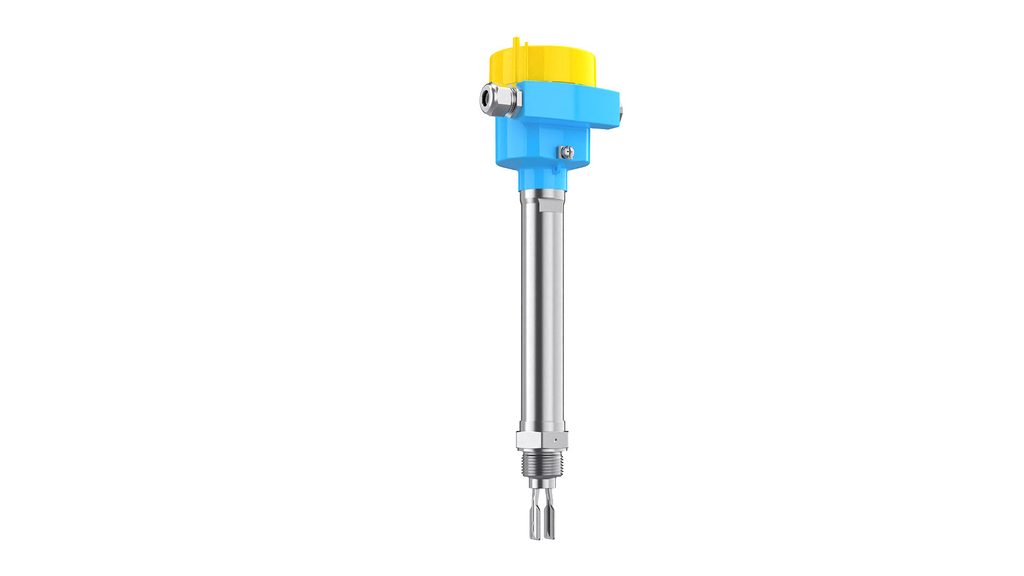
By combining reliable sealing performance with electrical insulation, a hermetic insulating sleeve protects the sensing components of a level instrument and helps ensure stable operation even under challenging industrial conditions.
1. What Is a Hermetic Insulating Sleeve?
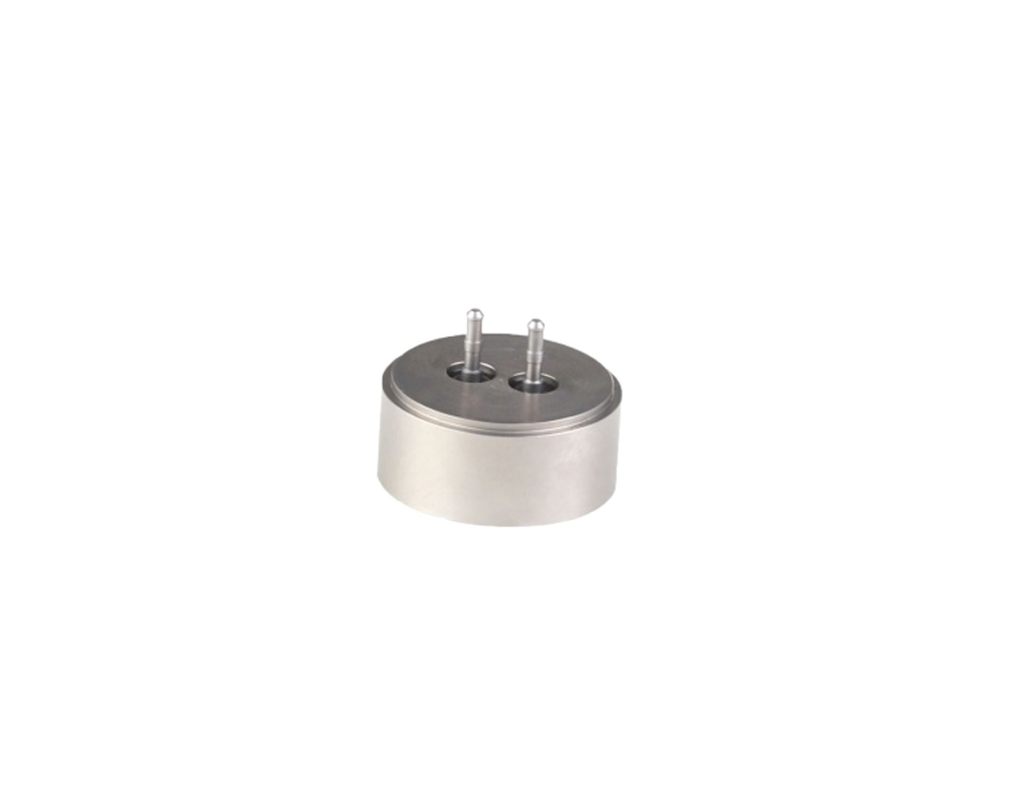
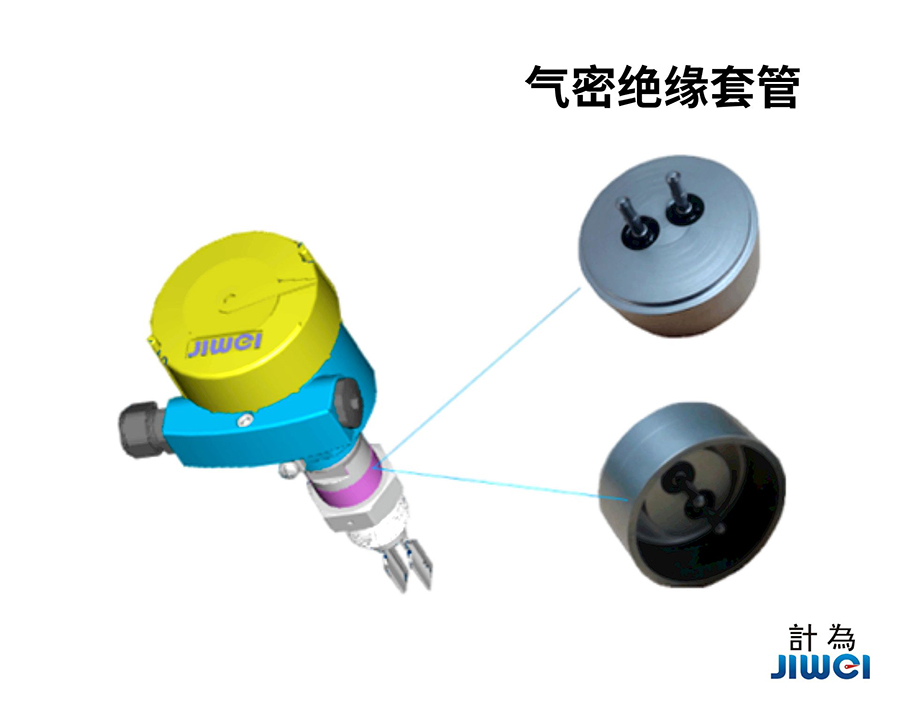
As the name suggests, a hermetic insulating sleeve is a protective sleeve, tube, or insulating structure designed to provide both gas-tight sealing and electrical insulation.
In level measurement applications, it is typically installed around a probe, electrode, sensing rod, or connection area.
Its primary purpose is to isolate the measured medium from conductive metal components while preventing gases, liquids, moisture, and contaminants from entering critical areas inside the instrument.
In simple terms, a hermetic insulating sleeve provides several important functions:
- Electrical insulation: Helps prevent current leakage and reduces the risk of electrical short circuits.
- Sealing: Prevents gases, liquids, moisture, and process media from penetrating critical areas.
- Corrosion protection: Reduces direct exposure of sensing components to aggressive or corrosive media.
- Mechanical and environmental protection: Improves the overall reliability and service life of the level instrument.
For level instruments operating according to capacitance or RF admittance measurement principles, insulation is particularly important.
In certain applications, an insulating sleeve is required to isolate the probe from the process medium and maintain stable and reliable measurement performance.
2. Main Functions of Hermetic Insulating Sleeves in Level Instruments
2.1 Improving Level Measurement Stability
The primary function of a level instrument is to accurately detect changes in the level of a liquid, slurry, powder, or bulk solid.
If the sensing probe is continuously exposed to corrosive media, humidity, condensation, or other harsh conditions, several problems may occur, including:
- Signal drift
- Increased measurement errors
- Reduced probe performance
- False alarms or instrument faults
A hermetic insulating sleeve helps isolate sensitive sensing components from the external process environment.
By maintaining a more stable electrical and mechanical condition around the sensing area, it can improve the reliability and consistency of level measurement.
This is especially important in applications such as:
- Chemical storage tanks
- Reactors
- Slurry tanks
- Process vessels
- Conductive liquid applications
In these environments, the measured medium may be corrosive, conductive, adhesive, or chemically aggressive, creating higher requirements for probe protection.
2.2 Protecting Instrument Components Against Corrosion
Industrial process media can vary significantly in chemical and physical properties.
Typical examples include:
- Acidic and alkaline liquids
- Organic solvents
- Salt solutions
- High-temperature slurries
- Dust and particulate materials
When these substances remain in direct contact with a metal probe or electrode for extended periods, they may cause:
- Surface corrosion
- Material aging
- Degradation of mechanical strength
- Reduced service life
- Changes in electrical characteristics
An insulating sleeve manufactured from a corrosion-resistant material can minimize direct contact between the process medium and sensitive instrument components, thereby extending equipment life.
Common insulating sleeve materials may include:
- PTFE (Polytetrafluoroethylene)
- PEEK (Polyether Ether Ketone)
- Ceramic materials
- Special engineering plastics
The appropriate material should be selected according to factors such as process temperature, pressure, chemical compatibility, electrical properties, and the characteristics of the measured medium.
2.3 Improving Hermetic Sealing Performance
Many level measurement applications involve sealed or pressurized process systems, such as:
- Pressure vessels
- Vacuum systems
- Chemical reactors
- Sealed storage tanks
- Gas-protected systems
In these applications, the instrument is not only required to measure the material level accurately but also to maintain the integrity of the process seal.
Through precision structural design, a hermetic insulating sleeve can work together with:
- Sealing rings
- Gaskets
- Flanges
- Threaded connections
- Compression fittings
- Other process connection components
This can help reduce the risk of:
- Gas leakage
- Liquid penetration
- Moisture ingress
- External contamination entering the instrument
Reliable sealing performance is particularly important for maintaining process safety and equipment reliability.
3. Which Level Instruments May Require Hermetic Insulating Sleeves?
3.1 RF Admittance Level Instruments
An RF admittance level instrument is widely used for detecting liquids, slurries, powders, and granular materials.
Its operating principle involves changes in the electrical characteristics between the sensing probe and the process material. Therefore, proper electrical insulation of the probe can be critical to maintaining reliable measurement.
Insulating sleeves may be particularly useful in applications such as:
- Chemical raw material tanks
- Powder silos
- Wastewater treatment systems
- High-viscosity liquid vessels
- Slurry applications
A properly designed insulating sleeve can help reduce the influence of:
- Material buildup
- Corrosion
- Electrical interference
- Conductive process media
- Moisture
This contributes to improved measurement stability.
3.2 Capacitance Level Instruments
A capacitance level instrument detects material level by monitoring changes in capacitance.
In some applications involving electrically conductive liquids, a bare electrode may directly contact the conductive medium.
Without appropriate insulation, this can potentially lead to problems such as:
- Direct electrical conduction
- Abnormal measurement signals
- Zero-point drift
- Unstable readings
For this reason, an insulated probe or insulating sleeve may be required in certain capacitance level measurement applications.
The insulation allows the sensing system to detect changes in capacitance without creating unwanted direct electrical conduction between the electrode and the process medium.
3.3 Guided Wave Radar Level Instruments
A guided wave radar level transmitter sends high-frequency electromagnetic pulses along a probe or cable toward the surface of the measured medium.
The signal is reflected from the material surface, and the instrument calculates the level based on the travel time of the reflected signal.
In applications involving corrosive media or special process conditions, protective insulating or corrosion-resistant structures may be used around certain components to improve chemical resistance and environmental adaptability.
The exact design should be determined according to the measurement principle, probe construction, process conditions, and instrument manufacturer’s specifications.
4. Key Design Requirements for Hermetic Insulating Sleeves
A high-quality hermetic insulating sleeve must meet several important technical requirements.
4.1 Reliable Electrical Insulation
The insulating material should provide suitable electrical properties, which may include:
- High dielectric strength
- Low dielectric loss
- Stable electrical characteristics
- Good insulation resistance
These properties help ensure that the sensing signal remains stable while reducing unwanted electrical conduction or leakage.
For capacitance and RF admittance level measurement technologies, the electrical characteristics of the insulating material can directly influence measurement performance.
4.2 Excellent Sealing Performance
Hermetic sealing is one of the most important characteristics of this type of component.
A reliable insulating sleeve generally requires:
- Precision dimensional control
- Carefully designed sealing interfaces
- Reliable compression sealing
- Stable mechanical structure
- Appropriate sealing materials
Proper design can help prevent leakage during long-term operation.
This is especially important in pressure vessels, chemical processing equipment, and other closed process systems.
4.3 Temperature Resistance
Industrial operating temperatures can vary significantly.
For example:
- Chemical reactors may operate at elevated temperatures.
- Steam-related processes may involve continuous thermal exposure.
- Refrigeration or cryogenic systems may operate at very low temperatures.
- Outdoor installations may experience large temperature fluctuations.
Therefore, the insulating material must maintain adequate mechanical, electrical, and sealing properties throughout the required operating temperature range.
4.4 Corrosion Resistance
Different process media require different material properties.
For example:
| Operating Condition | Recommended Material Characteristics |
|---|---|
| Strong acids and alkalis | High chemical and corrosion resistance |
| High-temperature applications | Excellent thermal stability |
| Food and beverage applications | Hygienic and compatible materials |
| Dust or abrasive environments | Good wear resistance |
Correct material selection can significantly improve the service life and reliability of both the insulating sleeve and the level instrument.
5. How to Select a Hermetic Insulating Sleeve for a Level Instrument
When selecting a hermetic insulating sleeve, several factors should be considered.
5.1 Consider the Characteristics of the Measured Medium
The first step is to understand the process material.
Questions to consider include:
- Is the medium a liquid or a bulk solid?
- Is it corrosive?
- Is it electrically conductive?
- Does it contain abrasive particles?
- Is it sticky or prone to buildup?
- Does it contain aggressive chemicals?
Different media may require different insulating materials and structural designs.
For example, an insulating sleeve used for a corrosive chemical solution may require significantly different material properties from one used in a powder silo.
5.2 Consider Operating Temperature and Pressure
The operating conditions of the process must also be determined.
Important parameters include:
- Minimum operating temperature
- Maximum operating temperature
- Normal operating pressure
- Maximum process pressure
- Pressure fluctuations
- Vacuum conditions, if applicable
The insulating sleeve material and sealing structure should remain stable throughout the specified temperature and pressure range.
Using a material outside its rated operating conditions may result in deformation, degradation, leakage, or premature failure.
5.3 Consider the Type of Level Instrument
Different level measurement technologies have different design requirements.
For example:
- Radar level instruments may focus more on antenna, probe, and process connection compatibility.
- Capacitance level instruments require careful attention to electrical insulation and dielectric properties.
- RF admittance level instruments require stable probe insulation and appropriate electrical characteristics.
- Guided wave radar instruments require compatibility between the probe structure and the process medium.
Selecting an insulating sleeve that matches the measurement principle and mechanical structure of the instrument can improve overall performance.
6. Development Trends of Hermetic Insulating Sleeves
As industrial automation continues to develop, level measurement equipment is moving toward:
- Higher accuracy
- Longer service life
- Lower maintenance requirements
- Greater reliability
- Smarter diagnostics
- Improved adaptability to demanding process conditions
Hermetic insulating sleeves are also expected to evolve along with these trends.
6.1 Application of Advanced Materials
High-performance engineering plastics, technical ceramics, and composite materials may increasingly be used to achieve improved:
- Temperature resistance
- Chemical resistance
- Mechanical strength
- Electrical insulation
- Dimensional stability
These materials can help level instruments operate reliably in increasingly demanding industrial environments.
6.2 Improvements in Precision Manufacturing
Manufacturing technologies such as:
- CNC machining
- Precision molding
- Compression molding
- Advanced ceramic processing
can improve the dimensional accuracy and consistency of insulating components.
Higher manufacturing precision can also contribute to better sealing reliability and more consistent instrument performance.
6.3 Higher-Reliability Sealing Designs
Industries such as petrochemicals, chemicals, energy, and new energy continue to demand higher standards of process safety and equipment reliability.
As a result, future hermetic insulating sleeves are likely to feature increasingly sophisticated sealing structures designed for demanding applications involving:
- High pressure
- High temperature
- Corrosive media
- Vacuum conditions
- Hazardous process environments
Reliable sealing will remain an important part of level instrument design.
7. Conclusion: Hermetic Insulating Sleeves Help Ensure Reliable Level Measurement
Although a hermetic insulating sleeve may appear to be only a small component within a level measurement system, it can perform several important functions.
It helps:
- Protect sensing components
- Improve measurement stability
- Provide electrical insulation
- Reduce corrosion
- Prevent process leakage
- Extend instrument service life
As industrial automation continues to advance, users are placing increasingly high requirements on the reliability and durability of level measurement instruments.
Choosing a properly designed hermetic insulating sleeve with suitable materials and sealing performance can improve the long-term stability of a level instrument, reduce maintenance requirements, and support safer and more efficient industrial operation.
For both level instrument manufacturers and industrial end users, paying attention to the quality of critical components such as hermetic insulating sleeves can contribute to better instrument performance, greater application reliability, and stronger overall product competitiveness.