Why Does Vacuum Residue Coking Affect Level Sensors?
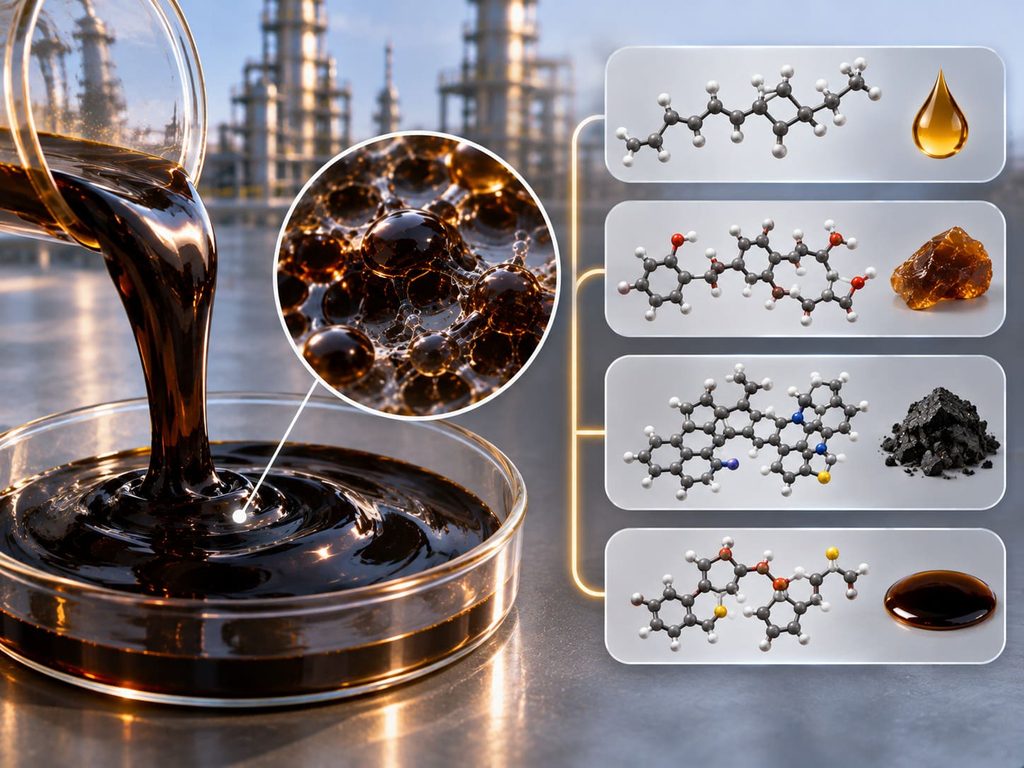
Vacuum residue coking can impair level sensors when hard deposits accumulate on process connections and sensing surfaces. Vacuum residue contains high-molecular-weight hydrocarbons, resins, asphaltenes, and other heavy components.
Under certain operating conditions, particularly excessive local temperatures or prolonged thermal exposure, some components may undergo reactions that produce coke-like deposits.
Other deposits may form through the accumulation of viscous hydrocarbons, inorganic material, or process contaminants.
It is important to distinguish coking from ordinary fouling.
Fouling refers broadly to unwanted material accumulating on equipment surfaces. Coking generally involves chemical changes associated with thermal degradation and carbonaceous deposit formation.
Both conditions can interfere with level measurement, but their causes and cleaning requirements may differ.
1. How Deposits Affect Contact-Type Level Instruments
Contact-type level instruments have sensing components exposed directly to the process liquid.
When deposits accumulate, the original measurement conditions may change.
For float-operated instruments, material buildup can increase the effective weight of the float or restrict its movement.
For guided wave radar transmitters, deposits along the probe may affect electromagnetic wave propagation and create additional reflections.
Point level switches may also experience problems when material remains attached after the actual liquid level falls below the sensing element.
The severity depends on the deposit properties, thickness, location, and instrument design.
2. How Deposits Affect Non-Contact Radar
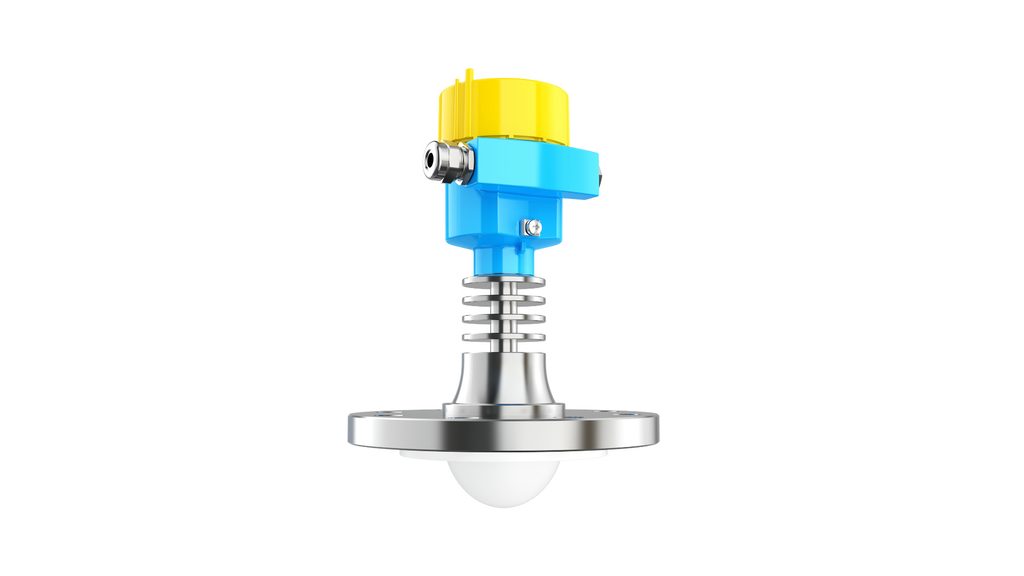
Non-contact radar transmitters normally operate without immersing a probe in the liquid.
This reduces exposure to deposits formed directly on immersed sensing elements.
However, radar antennas can still become contaminated by oil mist, splashing, condensation, or material carried into the mounting nozzle.
A contaminated antenna may transmit and receive microwave energy less effectively.
As the contamination increases, the useful surface echo may become weaker.
In severe cases, the transmitter may lose the correct surface echo or identify an unwanted reflection.
Consequently, non-contact measurement reduces some fouling mechanisms but does not eliminate maintenance requirements.
3. Common Symptoms of Fouling-Related Measurement Problems
Fouling-related problems may develop gradually rather than appearing immediately after installation.
Possible symptoms include declining echo strength, delayed response to actual level changes, intermittent signal loss, or readings that remain fixed.
A transmitter may also begin producing unstable measurements after operating normally for an extended period.
However, these symptoms are not exclusive to fouling.
Incorrect configuration, changes in process conditions, electrical faults, and installation problems may produce similar behavior.
A reliable diagnosis should combine instrument diagnostics, process records, and physical inspection where safe.
4. How to Reduce Fouling and Coking Problems
The first consideration is the process itself.
Unnecessary local overheating and prolonged exposure to unfavorable temperature conditions should be avoided where operationally feasible.
The second consideration is instrument construction.
For sticky products, engineers should evaluate whether sensing elements contain narrow gaps, moving components, or other areas where material may accumulate.
For radar transmitters, the mounting position should minimize exposure to splashing, oil mist, and condensation.
The third consideration is maintenance accessibility.
An instrument that can be inspected and cleaned without extensive equipment dismantling may reduce long-term maintenance effort.
5. Safe Cleaning and Inspection
Vacuum residue tanks may contain hot hydrocarbons, flammable atmospheres, and potentially hazardous gases.
Before removing an instrument, the equipment must be isolated and prepared according to site safety procedures.
Depressurization, cooling, draining, and appropriate work authorization may be required.
Cleaning methods must be compatible with the instrument’s construction.
Abrasive tools or unsuitable solvents may damage radar antennas, seals, or protective surfaces.
After cleaning, the instrument should be inspected for damage and its measurement performance verified before returning it to service.
6. When Should the Measurement Technology Be Changed?
If a contact-type instrument repeatedly fails because of severe buildup, an alternative measurement principle may be worth evaluating.
Non-contact radar can reduce problems associated with immersed probes.
However, if the tank atmosphere causes severe antenna contamination, changing to radar without addressing the contamination mechanism may not solve the problem.
Before replacing an instrument, engineers should establish whether the main issue is fouling, process temperature, mechanical restriction, or incorrect installation.
Conclusion
Coking and fouling can affect the long-term reliability of several level measurement technologies.
For vacuum residue applications, instrument selection should account for deposit formation, accessibility, and cleaning requirements.
The most appropriate solution is the one that maintains reliable measurement under actual process conditions with an acceptable maintenance burden.