
1. What Is a Thread?
A thread is a continuous helical ridge formed on the surface of a cylinder or cone. In simple terms, a thread is the mechanical structure that allows a part to be screwed in or unscrewed. Screws, nuts, pipe fittings, valve ports, pressure gauge ports, and level instrument connections commonly rely on threads for fastening, connection, and sealing.
Structurally, a thread is usually defined by elements such as thread profile, pitch, nominal diameter, direction of rotation, number of starts, tolerance grade, and sealing method. In industrial applications, these parameters determine whether two threaded parts can be properly matched and safely used.
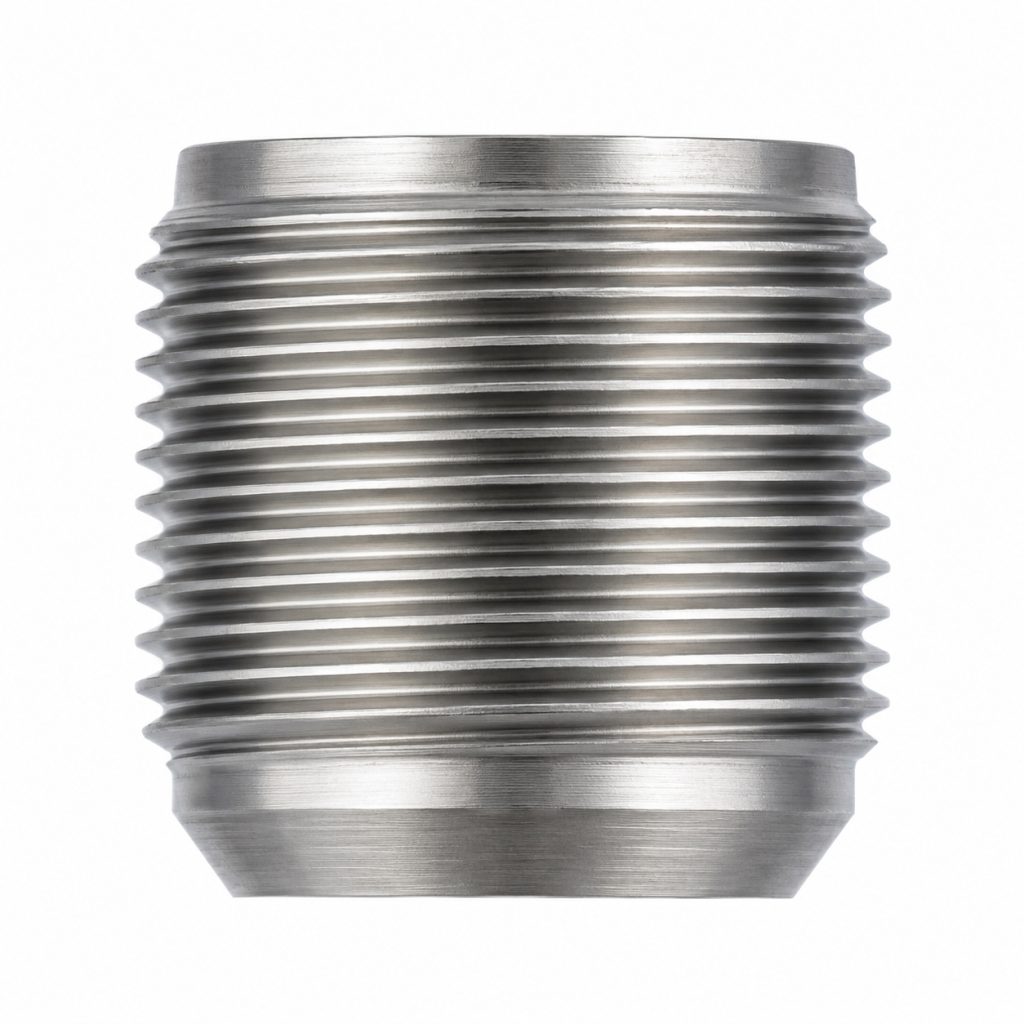
In the industrial instrumentation field, a thread is not merely a mechanical detail. It directly affects whether an instrument can be installed safely, sealed reliably, and operated accurately over the long term. This is especially true in the level instrument industry, where threaded connections are used to connect radar level meters, ultrasonic level meters, tuning fork level switches, capacitive level sensors, submersible level transmitters, float level gauges, and other devices to tanks, vessels, pipelines, silos, or process equipment.
2. Basic Components of a Thread
To understand threads used in level instruments, it is important to first understand several basic concepts.
2.1 Thread Profile
The thread profile refers to the cross-sectional shape of the thread. Common thread profiles include triangular, trapezoidal, and rectangular profiles. In industrial instruments, triangular threads are the most common, such as metric M threads, British pipe threads, and NPT threads.
2.2 Nominal Diameter
The nominal diameter is the size marking most commonly seen in thread specifications, such as M20, G1, or 1½ NPT. However, the nominal diameter is not always equal to the actual outside diameter. It is a standardized designation. For example, G1½, commonly used on level instruments, does not mean the actual outside diameter is exactly 1.5 inches. It is a size designation within the British pipe thread system.
2.3 Pitch or Threads per Inch
Metric threads are usually expressed by pitch. For example, M20×1.5 means the nominal diameter is 20 mm and the pitch is 1.5 mm. Inch threads are often expressed by the number of threads per inch. For example, ½-14 NPT means a 1/2-inch nominal size with 14 threads per inch.
2.4 Internal and External Threads
External threads are usually machined on bolts, connectors, and the process connection of a level instrument. Internal threads are machined inside nuts, mounting sockets, weld bosses, or tank nozzles. During installation, a level instrument with an external thread is usually screwed into an internal threaded socket on the vessel.
2.5 Parallel Threads and Tapered Threads
Parallel threads have a nearly constant diameter along their length. Common examples include G threads and M threads. Tapered threads gradually change in diameter along the axis, becoming tighter as they are screwed in. NPT threads are a typical example of tapered pipe threads.
3. The Role of Threads in the Level Instrument Industry
In level measurement applications, threads mainly serve four purposes: mechanical fixing, process sealing, positioning, and protection of electrical cable entries.
3.1 Mechanical Fixing
A level instrument must be securely installed on a tank, reactor, silo, pipeline, or mounting bracket. A threaded connection provides mechanical strength and keeps the sensor stable under vibration, impact, medium turbulence, or pressure fluctuation.
For example, a radar level meter is usually installed on the tank top. A tuning fork level switch may be mounted on the side wall of a tank. A capacitive level sensor may be inserted from the top into the medium. Different installation positions place different requirements on thread strength, thread length, and sealing method.
3.2 Process Sealing
The mounting point of a level instrument is often in direct contact with the process medium. The medium may be water, oil, acid, alkali, solvent, powder, granules, steam, or high-temperature and high-pressure gas. If the threaded seal is unreliable, leakage, corrosion, contamination, instrument damage, or even safety accidents may occur.
Therefore, when selecting a threaded connection for a level instrument, it is not enough to check whether the thread can be screwed in. The sealing method must also be correct. NPT tapered threads usually rely on thread engagement and sealing material to achieve sealing. G threads are generally parallel pipe threads and usually require face sealing, gaskets, O-rings, or special sealing structures.
3.3 Positioning and Measurement Stability
For non-contact instruments such as radar level meters and ultrasonic level meters, the installation direction can affect the transmission direction of the signal beam. If the threaded port is poorly machined, the mounting socket is tilted, the thread is too short, or the instrument direction is incorrect after tightening, the signal may hit the tank wall, agitator, inlet, reinforcement rib, or other internal structures. This can cause false echoes and unstable readings.
3.4 Protection of Electrical Interfaces
In addition to process connection threads, level instruments also have electrical interface threads, such as M20×1.5, ½ NPT, or G½ cable entries. These threads affect cable gland sealing, waterproofing, dustproofing, explosion protection, and grounding reliability. For explosion-proof level instruments, mismatched cable entry threads may damage the certified explosion-proof structure and create a serious safety risk.
4. Common Thread Types Used in Level Instruments
4.1 G Thread
A G thread usually refers to a BSPP parallel pipe thread. It is widely used in European and Asian industrial instruments. Common sizes in level instruments include G½, G¾, G1, G1½, and G2.
A G thread does not seal by becoming tighter through taper. Instead, it usually relies on a gasket, sealing ring, face seal, or built-in sealing structure. When installing a G-threaded level instrument, special attention should be paid to whether the sealing face is flat, whether the gasket material is compatible with the medium, and whether the tightening torque is appropriate.
In radar level meters, ultrasonic level meters, and tuning fork level switches, G1½ and G2 are relatively common process connection sizes. Compact radar level meters may use G¾ or G1. For dusty, high-temperature, or large-tank applications, larger threaded connections or flange connections may be more suitable.
4.2 NPT Thread
NPT stands for National Pipe Thread. It is a tapered pipe thread commonly used in North America, as well as in petrochemical, natural gas, water treatment, and many imported instruments. Its main feature is that it becomes tighter as it is screwed in.
Common NPT sizes used in level instruments include ½ NPT, ¾ NPT, 1 NPT, 1½ NPT, and 2 NPT. During installation, PTFE tape or suitable thread sealant is often used. However, sealing material should not enter the process side, especially near radar antennas, tuning fork tines, electrodes, or guided wave rods.
NPT threads and G threads must not be mixed. Although they may look similar by eye, their thread angle, taper, pitch, and sealing method are different. Forcing them together may cause thread damage, leakage, connection failure, or even instrument scrap.
4.3 M Metric Thread
M threads are commonly used in electrical interfaces, mechanical fixing, compact sensor connections, and accessory connections. Metric threads are measured in millimeters, such as M20×1.5, M27×2, or M30×1.5.
On level instruments, M20×1.5 is commonly used for cable gland entries. Some compact level switches, pressure-type level transmitters, or sanitary adapters may also use metric threads.
4.4 BSP, PT, Rc, and Rp Threads
In Asian markets, especially in China, Japan, and some older equipment, thread names such as BSP, PT, Rc, and Rp may also be encountered. They are related to the inch pipe thread system but are not always identical.
During procurement and installation, it is not reliable to judge only by terms such as “one-inch thread” or “two-inch thread.” The standard, thread profile, taper, and sealing method should be confirmed.
4.5 Sanitary Threads and Threaded Adapters
In food, pharmaceutical, beverage, and biotechnology industries, level instruments often require sanitary connections, such as clamp, DIN, SMS, Varivent, or other hygienic process connections. Some radar level meters or pressure-type level transmitters use threaded adapters to convert a standard threaded instrument connection into a sanitary process connection.
In hygienic applications, the focus is not only on sealing. Users must also consider whether there are dead corners, whether the connection is easy to clean, whether it is suitable for CIP or SIP, and whether the material meets 316L stainless steel or higher requirements.
5. Thread Applications in Different Level Instruments
5.1 Radar Level Meter
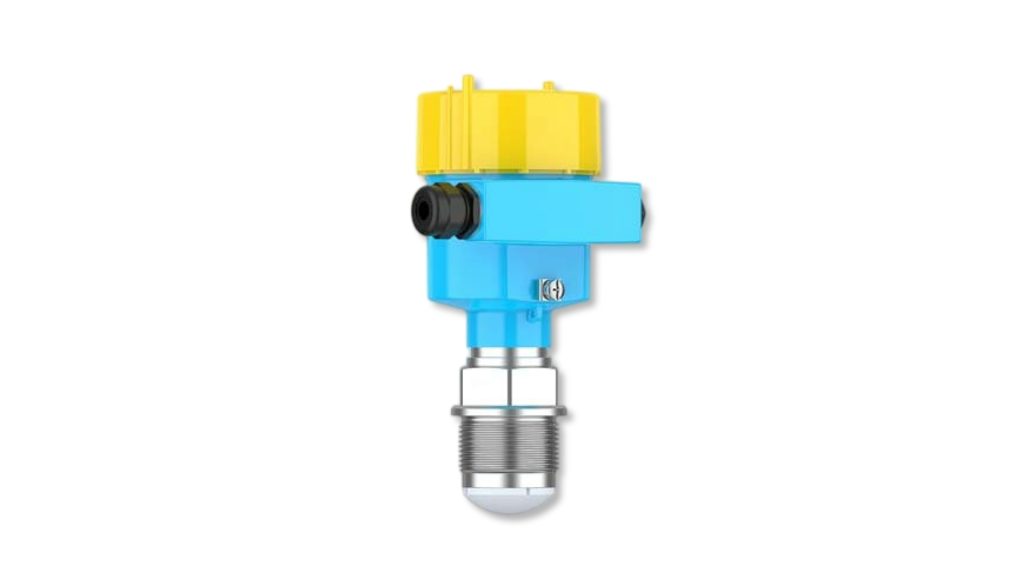
A radar level meter uses electromagnetic waves to measure liquid or solid level. It is highly sensitive to installation position and process connection. The threaded connection size can affect antenna position, beam angle, mounting height, and false echo behavior.
For small liquid tanks, G¾, ¾ NPT, G1½, or 1½ NPT threaded connections may be selected. For large tanks, high-temperature and high-pressure conditions, or highly corrosive media, flange connections, sanitary connections, or process connections with special isolation structures are usually more suitable.
5.2 Ultrasonic Level Meter
An ultrasonic level meter measures distance using sound waves. It is commonly used in water tanks, wastewater applications, open channels, storage tanks, and simple process vessels. It often uses a threaded connection of around 2 inches because the transducer needs a certain emitting surface area.
During installation, the threaded nozzle should not be too long. Otherwise, the sound wave may generate interfering echoes inside the nozzle, affecting measurement accuracy.
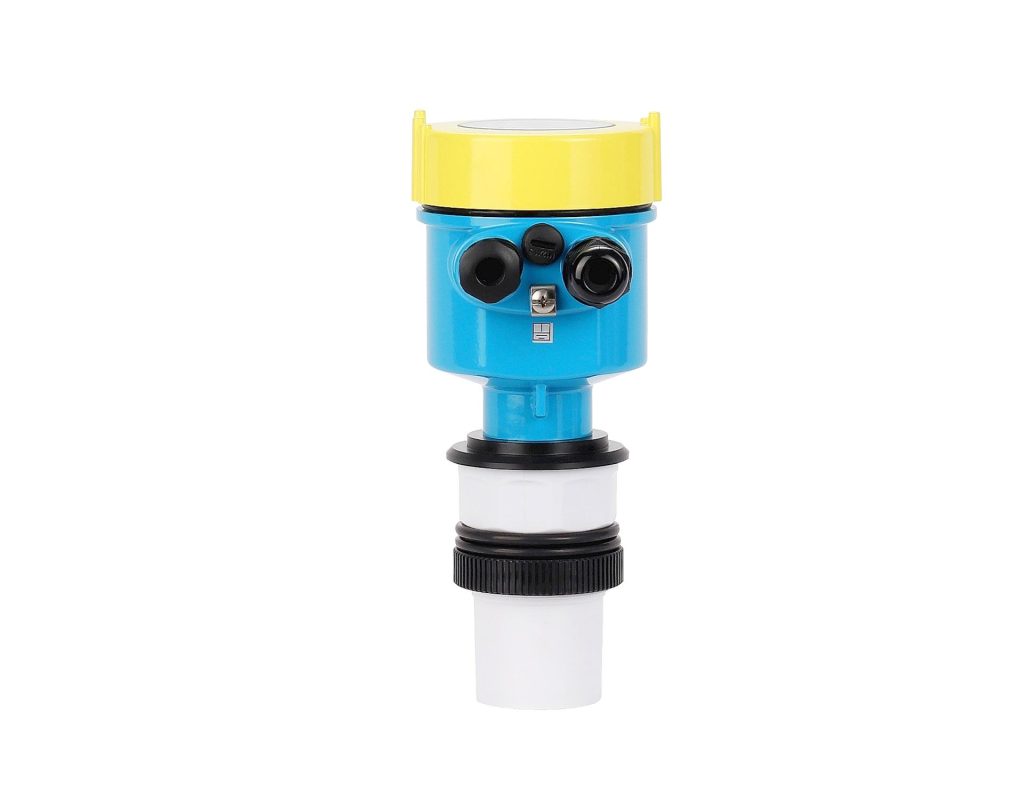
Threaded Connection for Ultrasonic Level Meters
5.3 Tuning Fork Level Switch
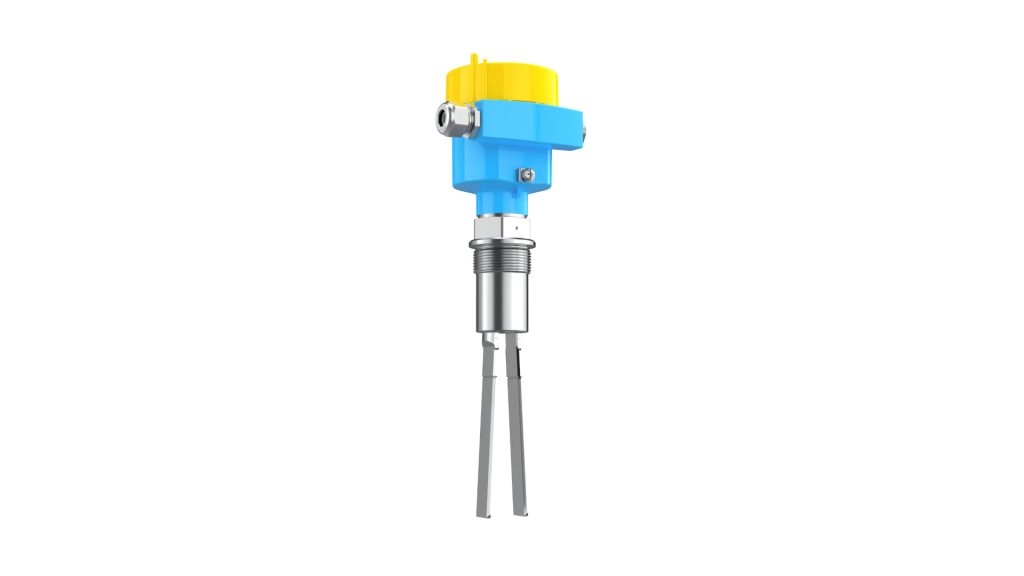
A tuning fork level switch is used for point level detection, such as high-level alarm, low-level protection, overflow prevention, and pump dry-run protection. Common threaded connections include G¾, G1, 1 NPT, and 1½ NPT.
Since the fork tines must directly contact the medium, the installation depth must ensure that the tines are fully inserted into the effective measuring area. They must not be blocked by the nozzle, tank wall, or sediment.
5.4 Capacitive Level Sensor
Capacitive level sensors are used for liquids, powders, granules, and interface measurement. The rod or cable probe is usually fixed on the tank top by a threaded or flanged connection. The thread not only provides mechanical fixing but also protects the insulation structure of the probe.
During installation, the wrench should not be applied to the probe rod. It should only be applied to the designated hexagonal process connection area.
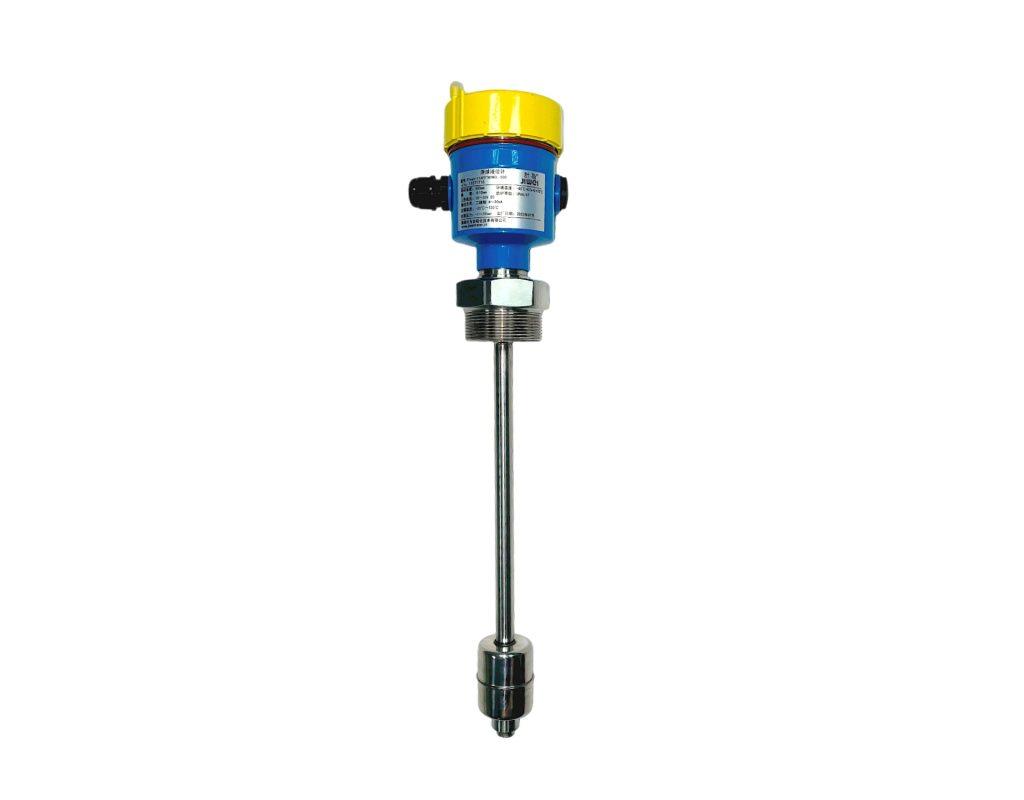
5.5 Float Level Gauge and Float Level Switch
Float-type level instruments are commonly installed from the side or top using threaded connections. Side-mounted float switches require proper thread orientation, sufficient float movement space, and reliable sealing. If the threaded interface is tilted, the float may become stuck, causing false alarms or failure to switch.
5.6 Submersible Level Transmitter
A submersible level transmitter is usually not directly installed through a process thread on the tank. However, its junction box, cable fixing parts, protective pipe, and vent tube interface may use M threads or G threads.
For hydrostatic level measurement, cable sealing and venting structure are also important to long-term measurement stability.
6. Key Points for Selecting Level Instrument Threads
6.1 Confirm the Process Connection Standard
The first step is to confirm whether the site connection is G, NPT, M, Rc, or another thread standard. Do not simply describe the connection as “1-inch thread” or “2-inch thread,” because different standards may not be interchangeable.
6.2 Confirm Internal or External Thread
The level instrument may have an external or internal thread. The site connection may also be internal or external. During procurement, the thread direction of both the instrument side and the process side should be clearly specified to avoid installation failure after delivery.
6.3 Confirm the Sealing Method
Parallel threads usually require face sealing, while tapered threads often use thread sealing. Under high temperature, corrosive media, food-grade requirements, strong solvents, vacuum, or pressure conditions, the gasket material must be carefully selected. Common options include PTFE, FKM, EPDM, graphite, and metal-wound gaskets.
6.4 Confirm the Material
Common process connection materials include 304 stainless steel, 316L stainless steel, Hastelloy, PTFE coating, PVDF, PP, and PFA. Strong acids, alkalis, organic solvents, salt spray, marine environments, and food or pharmaceutical applications all have different material requirements.
6.5 Confirm Pressure and Temperature
The pressure resistance of a threaded connection depends not only on the instrument body, but also on the mounting socket, welding quality, sealing material, and thread engagement length. High temperature may reduce the performance of some sealing materials. High pressure can magnify even very small leakage risks.
6.6 Confirm Installation Space
Threaded connections are compact, but the instrument must be rotated during installation. If the site space is narrow or the instrument housing is large, a union connector, flange, extension pipe, or rotatable housing design may be needed.
6.7 Confirm Industry Requirements
A general water treatment project is very different from petrochemical, explosion-proof, food and pharmaceutical, marine, or power plant applications. In hazardous areas, the process connection, cable entry, grounding, and sealing parts must comply with the relevant certification requirements.
7. Common Installation Mistakes in Level Instrument Threads
Mistake 1: Mixing G Threads and NPT Threads
This is one of the most common problems in the field. The two may look similar, but their structures are different. Forced installation can damage the threads and cause leakage.
Mistake 2: Using Too Much Sealing Material
Too much PTFE tape may cause the threaded port to expand or crack. Loose tape fragments may also enter the vessel and interfere with tuning forks, electrodes, or radar antennas.
Mistake 3: Tightening by Turning the Instrument Housing
The correct method is to apply a wrench to the hexagonal process connection, not to rotate the instrument housing. Otherwise, internal wiring, sealing rings, or explosion-proof structures may be damaged.
Mistake 4: Using an Overly Long Nozzle
For radar and ultrasonic level meters, a nozzle that is too long or too narrow can cause interfering echoes. The nozzle height and diameter should be controlled according to the instrument manual.
Mistake 5: Insufficient Thread Engagement
Too few engaged threads can cause poor mechanical strength and leakage. This is especially important when installing level instruments on plastic tanks, thin-walled tanks, or fiberglass tanks. Reinforced sockets or suitable mounting flanges should be used.
Mistake 6: Ignoring Gasket Compatibility
The same G1½ thread may work well in a water tank but fail quickly in acid, alkali, organic solvent, or high-temperature steam service if the gasket material is not compatible.
8. Maintenance and Troubleshooting of Threaded Level Instruments
After a level instrument has been operating for some time, the threaded connection may experience leakage, corrosion, loosening, crystallization, or seizure. Maintenance should focus on the following points.
First, check whether medium is leaking from the thread root. If leakage is found, determine whether the cause is gasket failure, thread damage, or a welding defect in the mounting socket.
Second, check whether the thread is corroded. Corrosion reduces mechanical strength and may cause the instrument to fall off in severe cases.
Third, check for crystallization or dust accumulation. Some chemical liquids crystallize around the thread after evaporation, making disassembly difficult.
Fourth, check whether the instrument direction has changed. Under vibration, a loosened threaded connection may change the direction of a radar or ultrasonic sensor, resulting in unstable measurement.
Fifth, replace necessary sealing parts after disassembly. Old gaskets may not recover after compression and may leak if reused.
9. Threaded Connection vs. Flange Connection: Which Should You Choose?
In level instrument selection, both threaded and flanged connections are common.
A threaded connection has the advantages of compact structure, low cost, and convenient installation. It is suitable for small tanks, atmospheric or low-pressure equipment, water treatment systems, ordinary storage tanks, and small process vessels.
A flange connection offers higher strength, a larger sealing surface, and better suitability for high temperature, high pressure, large diameter, corrosive media, and standardized piping systems. Many radar level meters are available with threaded, flanged, or sanitary versions.
In general, threaded connections are preferred for atmospheric water tanks, small oil tanks, simple silos, cost-sensitive projects, limited installation space, and small-size instruments.
Flanged or sanitary connections are preferred for high-pressure tanks, high-temperature reactors, highly corrosive media, food and pharmaceutical processes, frequent cleaning, large storage tanks, custody transfer applications, or safety-critical projects.
10. Conclusion: A Thread Is Small, but It Can Determine the Success of a Level Instrument Installation
A thread may look like a small mechanical interface, but in the level instrument industry, it directly affects installation strength, process sealing, measurement stability, explosion-proof safety, and maintenance reliability.
Correctly understanding G threads, NPT threads, M threads, and other common thread types, as well as the difference between parallel and tapered threads, is essential for level instrument selection and installation.
For users, selecting a level instrument should not only involve measuring range, accuracy, output signal, and price. The process connection must also be confirmed. A suitable threaded connection helps a radar level meter measure more stably, allows a tuning fork level switch to operate more reliably, and ensures that the level instrument does not leak, loosen, or generate false alarms over long-term operation.
On the other hand, an incorrect thread selection may cause installation failure, sealing failure, unstable measurement, or even safety risks.
Therefore, during the procurement, design, installation, and maintenance of level instruments, always confirm five key questions:
What is the thread standard? What is the size? Are the internal and external threads matched? Is the sealing method correct? Are the material and process conditions compatible?
Once these five points are confirmed, most threaded connection problems in level instrument applications can be avoided in advance.