An RS485 isolated converter helps protect communication between level instruments and control systems in electrically demanding industrial environments. In industrial automation, RS485 is one of the most widely used communication interfaces. From radar level transmitters and ultrasonic level sensors to pressure transmitters, flow meters, and PLC control systems, RS485 is commonly used for reliable industrial data transmission.
Its advantages include long-distance communication, differential signal transmission, and the ability to connect multiple devices on a single bus.
However, industrial environments are not always electrically stable. Engineers may encounter intermittent communication failures, unstable readings, or damaged communication interfaces, especially when equipment operates near frequency converters, large motors, or high-power electrical systems.
One effective solution is an industrial RS485 isolated converter.
But what exactly does it do, how does it work, and why is it particularly useful in level measurement applications?
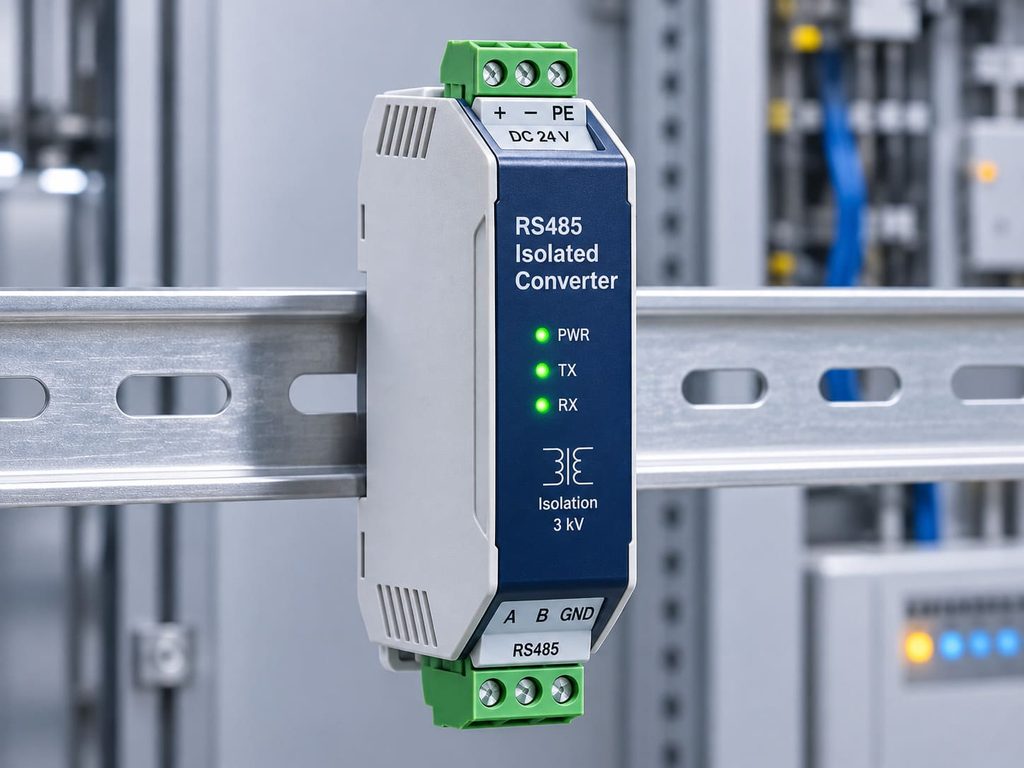
1. What Is an RS485 Isolated Converter?
An RS485 isolated converter is an industrial communication device designed to transmit RS485 signals while providing electrical isolation between two connected circuits.
Unlike a standard RS485 converter, which primarily provides communication connectivity or interface conversion, an isolated converter introduces an electrical isolation barrier between the communication sides.
This barrier helps reduce the effects of ground potential differences, ground loops, and certain electrical disturbances.
For example, a radar level transmitter installed on a storage tank may communicate with a PLC located in a control room hundreds of meters away.
If the two devices have different grounding conditions, ground potential differences may affect the communication interface.
An RS485 isolated converter helps reduce this risk by electrically separating the two sides of the communication system.
2. How Does an RS485 Isolated Converter Work?
RS485 uses differential signaling, transmitting data through two signal lines, commonly identified as A and B.
The receiver detects the voltage difference between these lines rather than relying on a single signal referenced directly to ground.
This design provides good resistance to common-mode interference. However, RS485 devices still have defined common-mode voltage limits.
If the voltage difference between equipment grounds becomes excessive, the RS485 transceiver may experience communication errors or electrical damage.
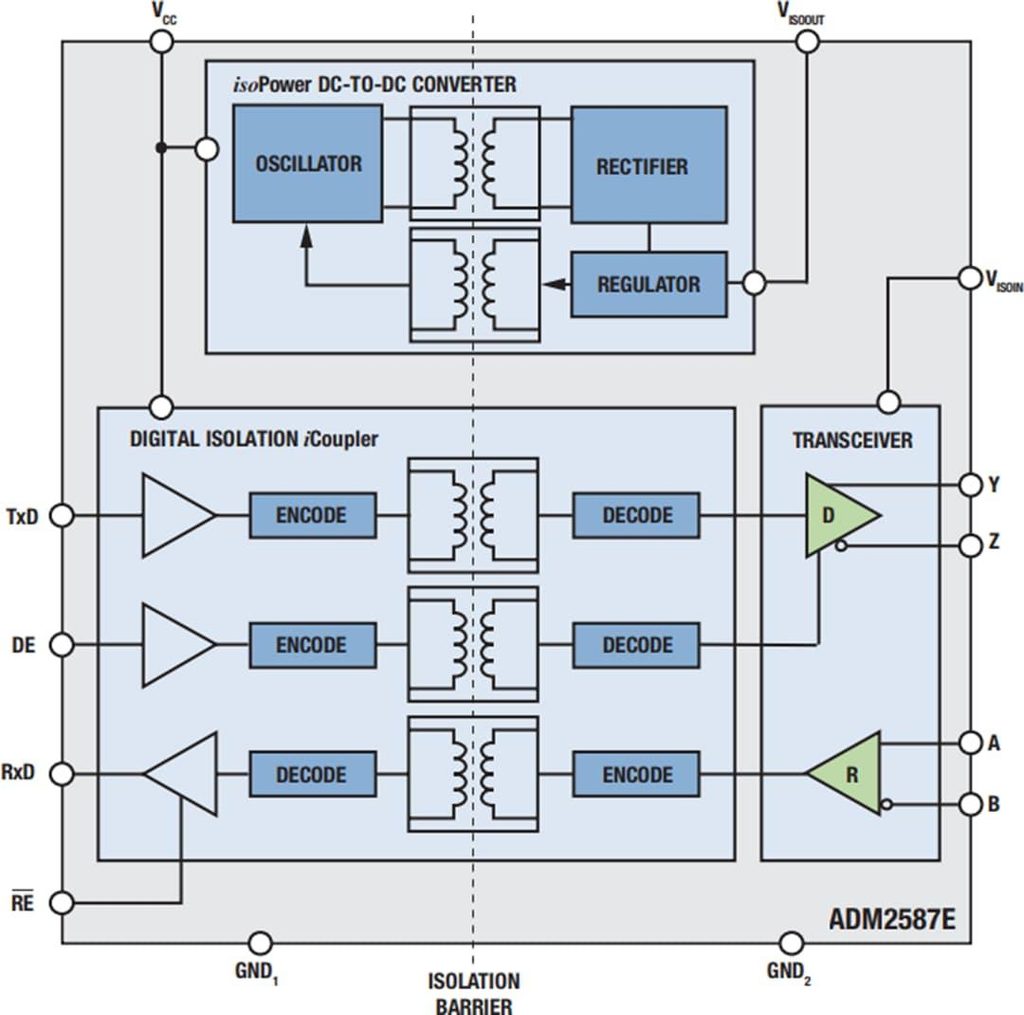
An RS485 isolated converter addresses this problem through several technologies.
Digital Signal Isolation
Digital isolators or optocouplers transfer communication signals across an electrical isolation barrier.
This prevents a direct conductive connection between the two signal circuits.
Isolated Power Supply
Industrial isolated converters may use an isolated DC-DC power supply to provide independent power to the isolated side.
Signal isolation and power isolation should both be considered when selecting a device for applications requiring galvanic isolation.
Surge and ESD Protection
Some industrial models include TVS protection devices and other protective circuits to reduce the effects of electrostatic discharge and transient voltage disturbances.
These features provide additional protection but do not replace a properly designed grounding and lightning protection system.
3. Why Do Level Measurement Systems Need RS485 Isolation?
Level measurement equipment is frequently installed in electrically challenging industrial environments.
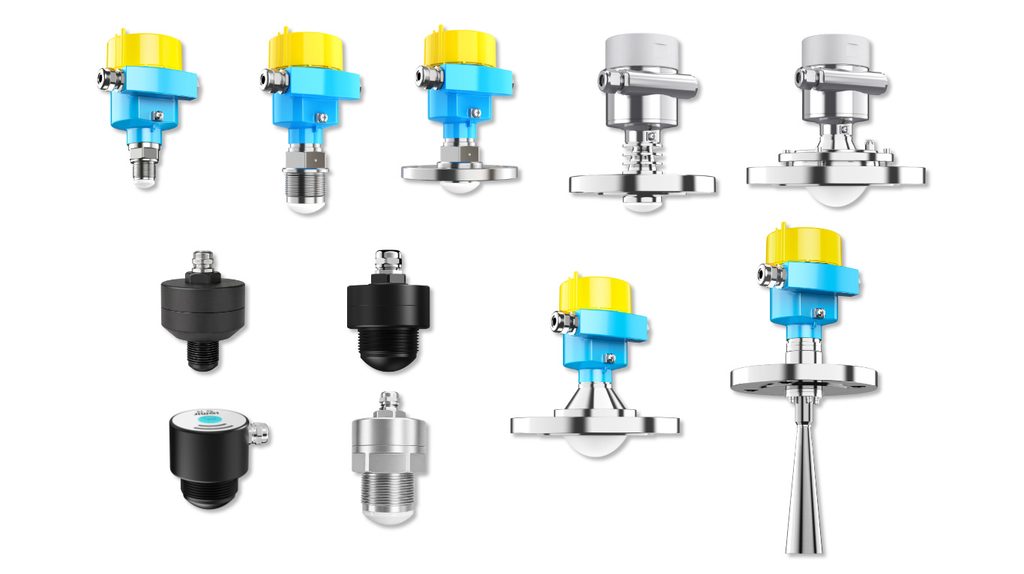
Radar level transmitters, ultrasonic level sensors, and guided wave radar instruments often communicate with PLCs, DCS systems, or industrial computers.
Several problems may affect communication reliability.
Ground Potential Differences
Level transmitters and control cabinets may be installed in different locations with different grounding conditions.
Ground potential differences can introduce unwanted common-mode voltage into communication cables.
An RS485 isolated converter helps reduce the electrical coupling between these systems.
Electromagnetic Interference
Frequency converters, motors, switching power supplies, and contactors can generate electromagnetic disturbances.
These disturbances may affect nearby communication cables, particularly when communication and power cables are installed close together.
Electrical isolation can reduce certain conducted interference paths.
Communication Interface Protection
Outdoor installations may be exposed to lightning-induced surges and electrostatic discharge.
An isolated converter with appropriate interface protection adds another layer of protection to the communication system.
However, dedicated surge protection and proper grounding are still necessary where required.
Multi-Device Communication
Large storage facilities may use dozens of level transmitters connected to a shared RS485 network.
Isolation at appropriate points can help improve electrical separation between communication segments and reduce ground-loop-related problems.
4. Common Applications of RS485 Isolated Converters
Industrial RS485 isolated converters are widely used in:
- Radar level measurement systems.
- Ultrasonic level measurement systems.
- Guided wave radar transmitters.
- Chemical and petroleum storage tank monitoring.
- Water and wastewater treatment systems.
- PLC and DCS communication networks.
- Industrial data acquisition systems.
They are especially useful when communication equipment is distributed across different areas or operates under challenging electrical conditions.
5. How to Select an Industrial RS485 Isolated Converter
Before purchasing an RS485 isolated converter, consider the following specifications.
Isolation voltage: Check the rated isolation withstand voltage and its test conditions.
Communication speed: Ensure that the converter supports the baud rate required by the connected instruments.
Power isolation: Determine whether the product provides isolated DC-DC power in addition to signal isolation.
Surge protection: Check ESD, EFT, and surge protection specifications separately.
Operating temperature: Confirm that the product supports the temperature range of the installation environment.
Interface compatibility: Verify support for two-wire, half-duplex RS485 communication if required.
Installation method: Select a DIN-rail, PCB-mounted, or enclosed module according to the application.
6. Conclusion
RS485 communication plays an important role in modern industrial level measurement systems.
Although differential signaling provides good noise immunity, ground potential differences, electromagnetic interference, and transient electrical disturbances can still affect communication reliability.
An industrial RS485 isolated converter provides electrical isolation between communication circuits and helps reduce these risks.
For radar level transmitters, ultrasonic level sensors, and other industrial instruments, choosing the right isolation solution can improve communication reliability and protect sensitive interfaces.
Reliable communication is an essential foundation for accurate industrial measurement and intelligent monitoring.