
Industrial automation has evolved rapidly over the past two decades. As manufacturers modernize their production facilities, integrating legacy equipment with modern control systems has become a common challenge. One of the most frequent requirements is converting Modbus to PROFINET.
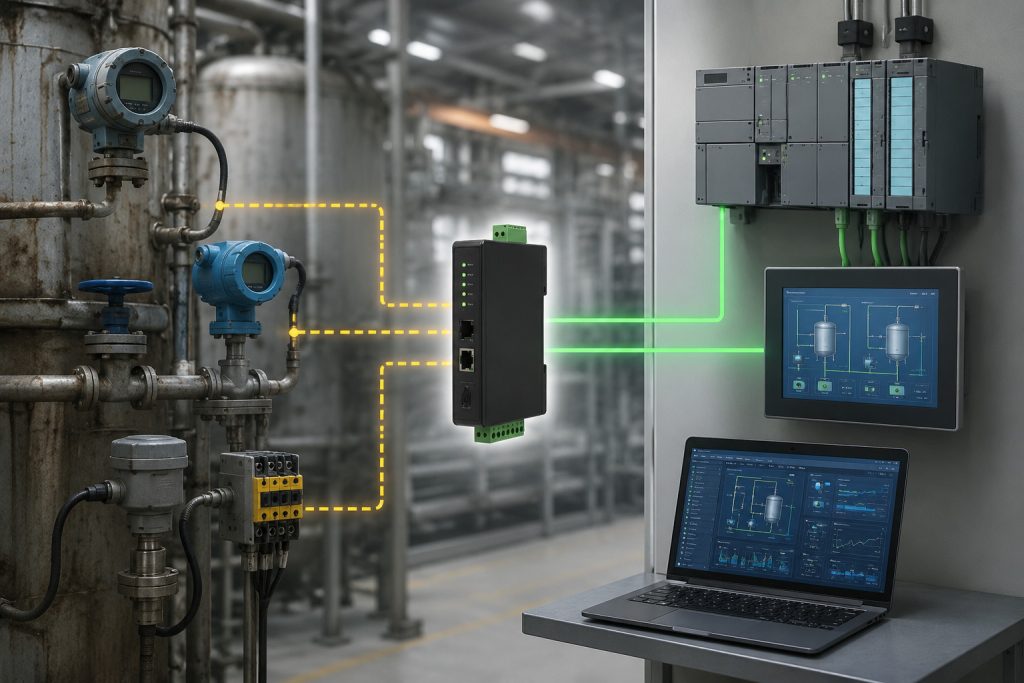
Many factories still operate reliable Modbus-based field devices that have been running successfully for years. However, modern PLCs—especially Siemens controllers—primarily communicate using PROFINET. Instead of replacing perfectly functional instruments, companies often choose a Modbus to PROFINET gateway to bridge the communication gap.
This article explains why Modbus-to-PROFINET conversion is necessary, how it works, where it is used, and what factors should be considered when selecting a gateway.
What Is Modbus?
Modbus is one of the world’s oldest and most widely adopted industrial communication protocols. Developed in 1979, it remains popular because of its simplicity, openness, and compatibility with equipment from hundreds of manufacturers.
Today, Modbus exists in two primary forms:
- Modbus RTU (serial communication over RS-485 or RS-232)
- Modbus TCP (Ethernet-based communication)
Thousands of industrial devices support Modbus, including:
- Level transmitters
- Pressure transmitters
- Flow meters
- Temperature transmitters
- Vibration sensors
- Variable frequency drives (VFDs)
- Power meters
- Water quality analyzers
- Valve controllers
Because of its widespread adoption, Modbus continues to be used in industries such as:
- Water and wastewater treatment
- Chemical processing
- Oil and gas
- Food and beverage
- Power generation
- Mining
- Pharmaceutical manufacturing
Despite its popularity, Modbus has limitations when integrated into modern Ethernet-based industrial networks.
What Is PROFINET?
PROFINET is an Industrial Ethernet communication standard developed by PROFIBUS & PROFINET International (PI).
Unlike traditional serial communication, PROFINET offers:
- High-speed Ethernet communication
- Real-time data exchange
- Device diagnostics
- Flexible network topology
- Automatic device identification
- Integrated engineering with Siemens TIA Portal
Today, PROFINET has become one of the dominant industrial Ethernet protocols worldwide.
It is commonly found in:
- Automotive production lines
- Packaging machinery
- Process automation
- Food processing plants
- Chemical facilities
- Semiconductor manufacturing
- Logistics systems
Most Siemens PLCs use PROFINET as the default communication interface.
Why Is Modbus to PROFINET Conversion Necessary?
The main reason is simple:
Many existing field devices communicate using Modbus, while modern PLCs communicate using PROFINET.
Replacing every Modbus instrument is usually unnecessary and extremely expensive.
Instead, manufacturers install a Modbus to PROFINET gateway, allowing legacy devices to communicate with new automation systems.
This approach significantly reduces upgrade costs while extending the service life of existing equipment.
Common Scenarios That Require Modbus to PROFINET Conversion
1. Plant Modernization
Many factories upgrade their control systems gradually.
Older equipment may continue operating with Modbus RTU sensors while new Siemens PLCs use PROFINET.
Rather than replacing dozens or hundreds of instruments, engineers simply install protocol gateways.
2. Integrating Third-Party Instruments
Not every instrument manufacturer offers PROFINET versions.
For example:
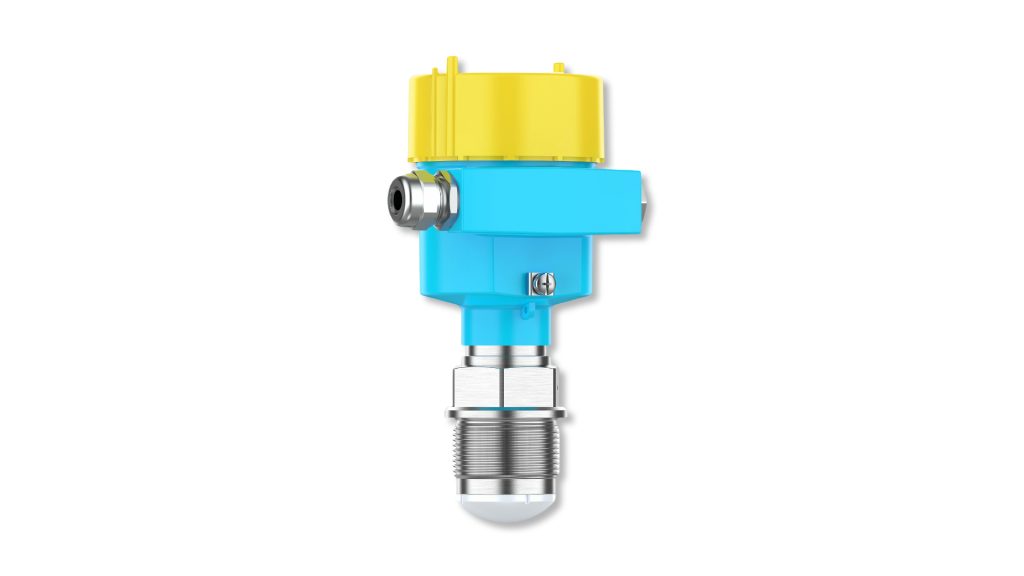
- Radar level transmitters
- Ultrasonic level sensors
- Fork level switches
- Pressure transmitters
- Electromagnetic flow meters
Many are available only with:
- Modbus RTU
- Modbus TCP
- HART
A gateway allows these instruments to become part of a PROFINET network.
3. Reducing Equipment Replacement Costs
Replacing an industrial transmitter often involves much more than purchasing new hardware.
Additional costs include:
- Installation
- Wiring
- Configuration
- Calibration
- Production downtime
- Operator training
A communication gateway eliminates most of these expenses.
4. Standardizing Factory Networks
Large manufacturers often standardize communication across multiple production lines.
Using PROFINET throughout the plant simplifies:
- PLC programming
- Diagnostics
- Spare parts management
- Maintenance
- Network troubleshooting
Modbus devices can remain in service while communicating through gateways.
How Does a Modbus to PROFINET Gateway Work?
A Modbus-to-PROFINET gateway functions as a protocol translator.
On one side, it communicates with Modbus devices.
On the other side, it appears as a standard PROFINET IO device to the PLC.
Internally, the gateway:
- Reads Modbus registers
- Converts data into PROFINET process data
- Maps variables to PLC memory
- Transfers information in real time
From the PLC perspective, the gateway behaves like any native PROFINET device.
Advantages of Converting Modbus to PROFINET
Protect Existing Investments
Industrial instruments often have service lives exceeding 15 years.
A communication gateway allows companies to continue using reliable equipment while modernizing control systems.
Lower Upgrade Costs
Replacing hundreds of field devices can cost significantly more than installing several gateways.
Protocol conversion minimizes capital expenditure.
Shorter Downtime
Installing a gateway usually requires much less downtime than replacing every field instrument.
Production interruptions can therefore be greatly reduced.
Improved Network Performance
PROFINET offers:
- Faster communication
- Better diagnostics
- Easier troubleshooting
- Flexible Ethernet infrastructure
The control system benefits from modern networking without replacing existing sensors.
Better Scalability
Additional Modbus devices can be integrated later through the same gateway.
This simplifies future expansion.
Industries That Frequently Use Modbus to PROFINET Gateways
Water and Wastewater
Typical connected devices include:
- Level transmitters
- Flow meters
- Pressure sensors
- Pump controllers
- Water quality analyzers
Chemical Processing
Applications include:
- Tank farms
- Reactor monitoring
- Acid and alkali storage
- Chemical dosing systems
Oil and Gas
Common equipment includes:
- Pressure transmitters
- Tank gauging systems
- Gas analyzers
- Remote terminal units
Food and Beverage
Gateways integrate:
- CIP systems
- Temperature monitoring
- Filling machines
- Storage tanks
Pharmaceutical Manufacturing
Used for:
- Clean process monitoring
- Batch production
- Utility systems
- Water treatment
Power Generation
Examples include:
- Boiler monitoring
- Cooling systems
- Chemical dosing
- Water treatment
Which Devices Commonly Require Modbus to PROFINET Conversion?
Typical field instruments include:
- Radar level transmitters
- Guided wave radar transmitters
- Ultrasonic level transmitters
- Hydrostatic level transmitters
- Vibrating fork level switches
- Capacitance level switches
- Pressure transmitters
- Differential pressure transmitters
- Flow meters
- Energy meters
- Temperature controllers
- Frequency inverters
- Remote I/O modules
Many of these devices support only Modbus communication.
Modbus RTU vs. Modbus TCP
Although both belong to the Modbus family, they differ significantly.
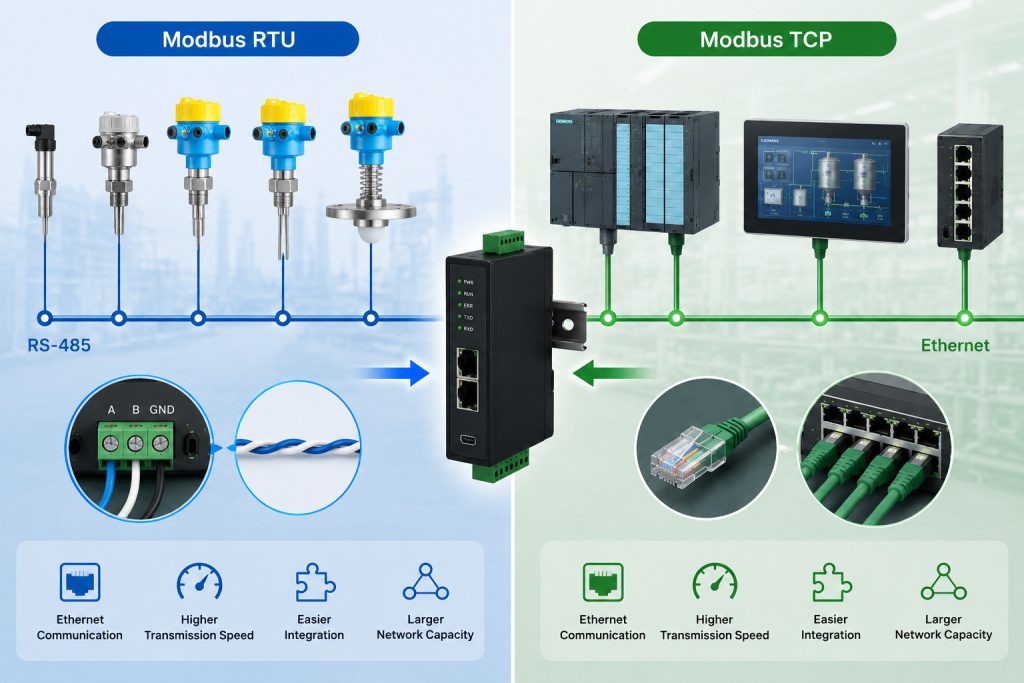
Modbus RTU
- Serial communication
- RS-485 interface
- Lower hardware cost
- Long communication distance
Modbus TCP
- Ethernet communication
- Higher transmission speed
- Easier integration
- Larger network capacity
Many gateways support both versions simultaneously.
Key Factors When Selecting a Modbus to PROFINET Gateway
Choosing the right gateway requires careful evaluation.
Important considerations include:
Number of Connected Devices
Some gateways support:
- One slave
- Multiple slaves
- Up to hundreds of registers
Choose a model that matches project requirements.
Communication Speed
Verify:
- Baud rate
- Ethernet speed
- Refresh cycle
- Real-time performance
Register Mapping
The gateway should support flexible mapping between Modbus registers and PROFINET process data.
Diagnostic Functions
Advanced diagnostics simplify maintenance.
Useful features include:
- Communication alarms
- Device status monitoring
- Error logs
- LED indicators
Industrial Protection
Look for:
- Wide operating temperature
- EMC compliance
- Industrial-grade power supply
- DIN rail mounting
Configuration Software
Good configuration software reduces engineering time.
Features should include:
- Graphical interface
- Register mapping
- Device monitoring
- Backup configuration
Common Challenges During Integration
Although protocol conversion is relatively straightforward, several issues can arise.
These include:
- Incorrect Modbus slave IDs
- Register address mismatches
- Byte order differences
- Communication timeout settings
- Unsupported function codes
- PLC configuration errors
- Ethernet addressing conflicts
Proper planning helps avoid these problems.
Best Practices for Successful Integration
To achieve reliable communication:
- Document all Modbus register addresses.
- Verify baud rate and parity settings.
- Use shielded industrial Ethernet and RS-485 cables.
- Keep firmware updated.
- Test communication before production startup.
- Configure communication timeout parameters correctly.
- Label all network devices clearly.
- Maintain backup configuration files.
Future Trends in Industrial Communication
Although Industrial Ethernet continues to expand rapidly, Modbus remains deeply embedded in industrial automation.
Many facilities will continue operating Modbus instruments for decades due to their reliability and cost-effectiveness.
Instead of replacing these devices, manufacturers increasingly rely on communication gateways to integrate legacy equipment with modern Ethernet networks.
At the same time, Industry 4.0, Industrial IoT, cloud connectivity, and predictive maintenance are driving wider adoption of PROFINET-based architectures.
As a result, Modbus to PROFINET gateways will continue to play an essential role in enabling digital transformation while protecting existing investments.
Conclusion
Converting Modbus to PROFINET is one of the most practical solutions for integrating legacy field devices into modern industrial Ethernet networks. Rather than replacing reliable Modbus instruments, manufacturers can deploy protocol gateways to achieve seamless communication with PROFINET-based PLCs and control systems.
Whether upgrading a water treatment plant, modernizing a chemical facility, or expanding a manufacturing line, a Modbus-to-PROFINET gateway helps reduce costs, minimize downtime, and extend the service life of existing equipment.
By selecting the appropriate gateway, ensuring proper configuration, and following best integration practices, organizations can build scalable, reliable, and future-ready automation systems while maximizing the value of their existing industrial assets.