
Why Does a High Temperature Level Transmitter Matter for Vacuum Residue?
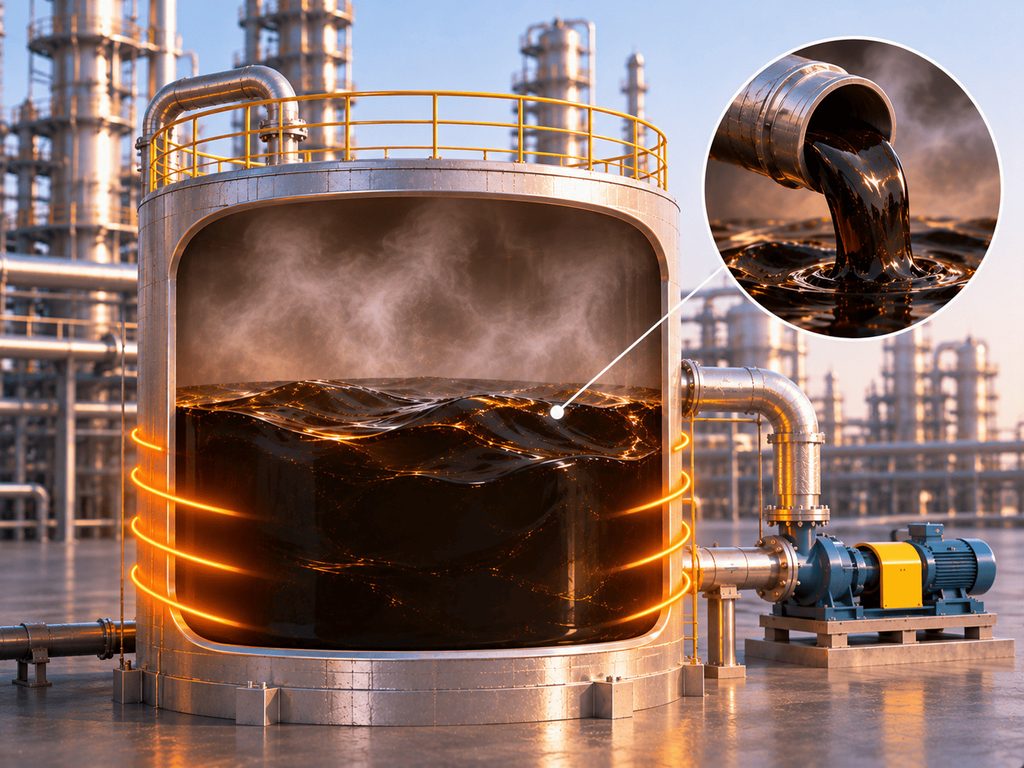
A high temperature level transmitter must remain reliable while vacuum residue is heated for storage and transfer. Vacuum residue is commonly handled at elevated temperatures to maintain sufficient fluidity for storage and transfer.
Heating improves the flow characteristics of heavy petroleum fractions, but it also exposes level measurement instruments to demanding operating conditions.
High temperatures can affect process seals, antenna materials, electronic components, and mounting connections. Temperature differences between the tank interior and the surrounding environment may also encourage condensation and deposit formation.
Selecting a level transmitter for a heated vacuum residue tank therefore requires an evaluation of the entire instrument assembly, not just its advertised maximum temperature rating.
1. Process Temperature and Ambient Temperature Are Different
Instrument specifications normally distinguish between process temperature and ambient temperature.
Process temperature refers to the temperature conditions at the instrument’s process connection or wetted components.
Ambient temperature refers to the surrounding environment in which the electronic housing and associated components operate.
For a top-mounted radar level transmitter, the process connection may be exposed to heat from the tank, while the electronics remain outside the vessel.
However, heat can still travel through metallic mounting components.
Even when the ambient temperature is relatively low, heat conduction from the process may affect the electronic assembly.
Engineers should verify both temperature ratings and confirm that the installation arrangement meets the manufacturer’s requirements.
2. Process Seals Must Withstand High Temperatures
The process seal is an important part of a high-temperature level transmitter.
Sealing materials differ in their resistance to heat, petroleum products, and long-term aging.
A material suitable for a moderate-temperature application may not perform reliably under prolonged exposure to elevated temperatures.
When selecting a transmitter, engineers should confirm the compatibility of gaskets, sealing elements, antenna materials, and other components exposed to process conditions.
Vacuum residue composition may also vary between refineries.
Where sulfur-containing compounds or other potentially corrosive constituents are present, material compatibility should be assessed.
A stainless steel construction should not automatically be considered suitable for every refinery application.
3. Temperature Differences Can Cause Condensation
A heated vacuum residue tank may have a substantial temperature difference between the internal vapor space and the external environment.
When hot vapor reaches a cooler mounting nozzle, some components may condense on the internal surfaces.
Condensed heavy hydrocarbons can form sticky deposits, particularly when the local temperature decreases further.
For radar level transmitters, contamination around the antenna may weaken the reflected signal or introduce unwanted echoes.
Possible measures include optimizing the nozzle configuration, selecting a suitable antenna design, and evaluating insulation where appropriate.
However, insulating the electronic housing without manufacturer approval may create additional overheating problems.
4. Comparing Level Measurement Technologies
Non-Contact Radar Level Transmitters
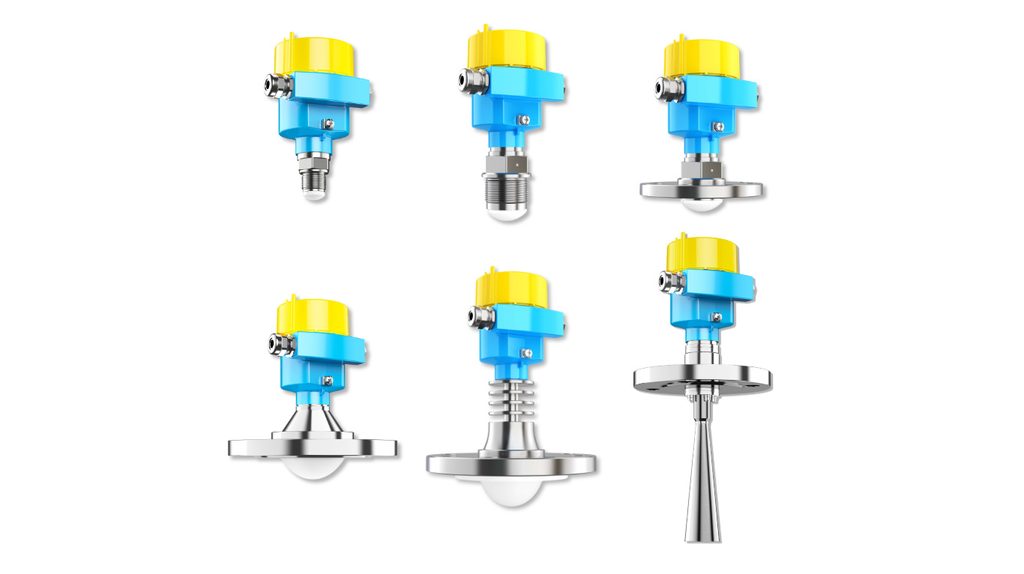
Non-contact radar transmitters do not require a long probe immersed in the hot residue.
This can reduce direct fouling of the measuring structure.
However, the antenna, process connection, and sealing materials must still withstand the specified temperature and pressure conditions.
Some high-temperature radar designs incorporate thermal isolation or specialized process connections.
The actual temperature capability depends on the specific model.
Guided Wave Radar Transmitters
Guided wave radar uses a probe or cable that extends into the liquid.
In addition to temperature resistance, engineers must consider deposit formation and cleaning requirements.
A heavily fouled probe may introduce measurement errors or require additional maintenance.
Float-Based Level Instruments
Float instruments depend on buoyancy and mechanical movement.
High temperatures may affect seals and mechanical components, while the viscosity of vacuum residue can increase movement resistance.
Magnetic Level Gauges
Magnetic level gauges provide local indication through a float inside a measuring chamber.
For high-viscosity products, engineers must consider whether the material can flow freely through the chamber and its connecting pipes.
Heating or insulation may be required, depending on the application.
5. How to Verify Temperature Ratings
Instrument selection should begin with the normal operating temperature, maximum operating temperature, and possible abnormal temperature conditions.
Startup, shutdown, and cleaning conditions should also be considered.
The manufacturer’s temperature-pressure limitations must be checked, especially when elevated temperature and pressure occur simultaneously.
A transmitter’s maximum temperature rating and maximum pressure rating should not automatically be assumed to apply at the same time.
6. Installation Considerations
High-temperature transmitters should be installed where inspection and maintenance can be performed safely.
Mounting arrangements should avoid unnecessary heat exposure to electronic components.
If thermal isolation or cooling structures are provided, the manufacturer’s installation clearances should be followed.
Electrical connections, cable entries, and enclosure protection ratings must also meet site requirements.
For hazardous locations, the appropriate explosion-protection certification and installation requirements must be verified.
Conclusion
Selecting a level transmitter for high-temperature vacuum residue involves more than checking the maximum process temperature.
Process seals, antenna materials, thermal conduction, condensation, and long-term fouling all influence instrument reliability.
A suitable transmitter should be selected using complete process data and verified manufacturer specifications.